
Sodium monofluoroacetate (sodium fluoroacetate): properties, occurrence, uses, and risks
Overview of sodium monofluoroacetate (1080): chemical nature, natural occurrence, mechanism of toxicity, applications in pest control and research, safety, and regulatory issues.
Overview
Sodium monofluoroacetate, often called sodium fluoroacetate or 1080, is a simple organic chemical compound used and encountered in a variety of contexts. It acts as a potent poison for many animals and is notable both as a naturally occurring plant toxin and as a manufactured pesticide. The substance affects cellular metabolism in a way that can be lethal to many organisms, including mammals, birds and invertebrates.
Image gallery
4 Images


Occurrence and history
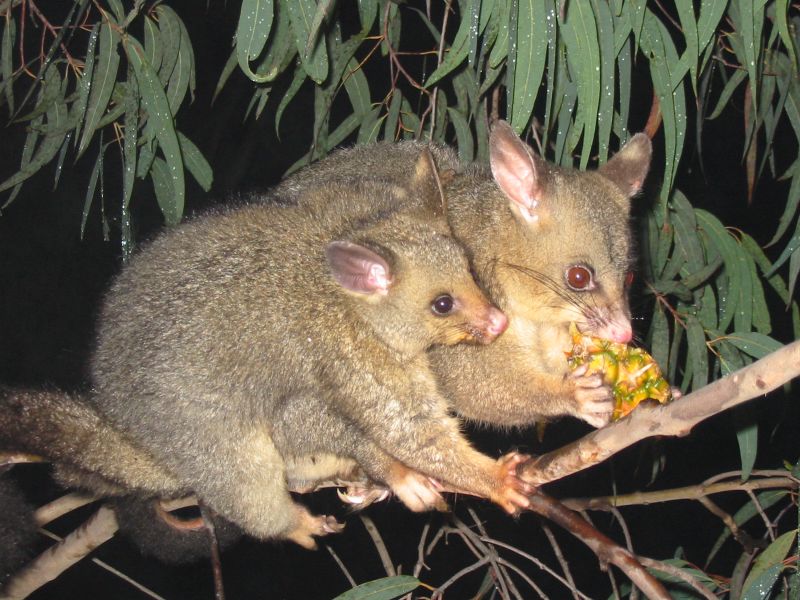
Fluoroacetate occurs in nature: several plant species produce the compound or its salts as a defense against herbivores. Natural sources have been documented in Australia, South America and parts of Africa. Early identifications include the toxin in Dichapetalum cymosum (known as the poison leaf or "gifblaar") and reports of extract use in West Africa. Colonial and indigenous reports from regions such as Sierra Leone describe early use of fluoroacetate-containing plants for rodent control. Modern botanical surveys have recorded the compound in species from Australia (Australia), Brazil (Brazil) and Africa, as well as in plant genera cited in some accounts (Gastrolobium, Gompholobium, Oxylobium, Nemcia and Acacia).
Chemical behavior and mechanism of toxicity
Sodium fluoroacetate interferes with cellular energy production. Once ingested, it is metabolized to fluorocitrate, which binds to and inhibits enzymes in the tricarboxylic acid (Krebs) cycle. This disruption of core metabolic pathways halts ATP production, leading to organ dysfunction and, at sufficient doses, death. The general hazardous nature of the compound and its toxicity profile make care important when it is handled or deployed.
Uses, applications and research
The primary practical use of sodium monofluoroacetate has been as a pesticide and vertebrate control agent. Manufactured formulations are employed in some regions to reduce populations of invasive mammals and agricultural pests; such pesticides are sometimes used to kill rodents and other targeted species. In scientific contexts, radiolabeled fluoroacetate derivatives have been explored as metabolic tracers: minute amounts can serve as a marker for cancer or other cells in imaging studies such as positron emission tomography, where the administered dose is far below toxic levels.
Risks, clinical effects and control measures
Exposure can cause nausea, weakness, respiratory distress, convulsions and cardiac problems. There is no universally accepted, specific antidote; treatment focuses on rapid decontamination and intensive supportive care, including seizure control and cardiovascular support. Because of the danger to non-target wildlife, companion animals and humans, regulatory authorities in many countries tightly control production, placement and use of sodium fluoroacetate products and often require special handling protocols.
Notable distinctions and current issues
Sodium monofluoroacetate is unusual in being both a naturally occurring plant defense and a synthetic tool used in wildlife management. Its effectiveness and environmental persistence have prompted debate about ethical and ecological trade-offs. Ongoing research investigates safer delivery methods, mitigations to protect non-target species, and alternative pest-control strategies. For more detailed regulatory, toxicological and ecological information consult specialist sources and local guidelines via the links above and relevant authorities (see references: chemical summaries, pesticide guidance, toxicology).
Related articles
Author
AlegsaOnline.com Sodium monofluoroacetate (sodium fluoroacetate): properties, occurrence, uses, and risks Leandro Alegsa
URL: https://en.alegsaonline.com/art/91533
Sources
- doi.org : 10.1021/ja01975a007
- doi.org : 10.1016/S0003-2670(00)83609-0