
Sodium nitrite (NaNO2): properties, uses and safety
Sodium nitrite is an inorganic salt used in food curing, industry and synthesis. It acts as a nitrite source, has oxidizing properties, and requires careful handling due to toxicity and nitrosamine risks.
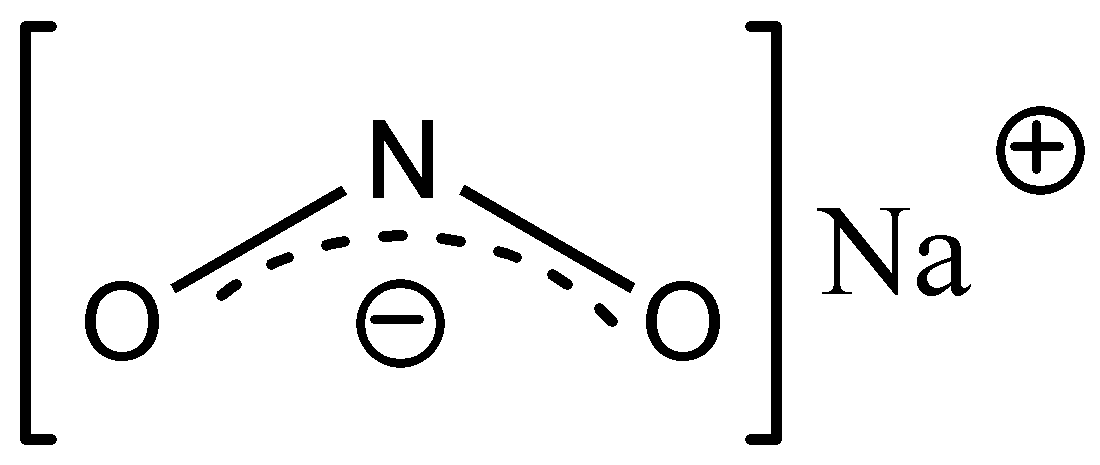
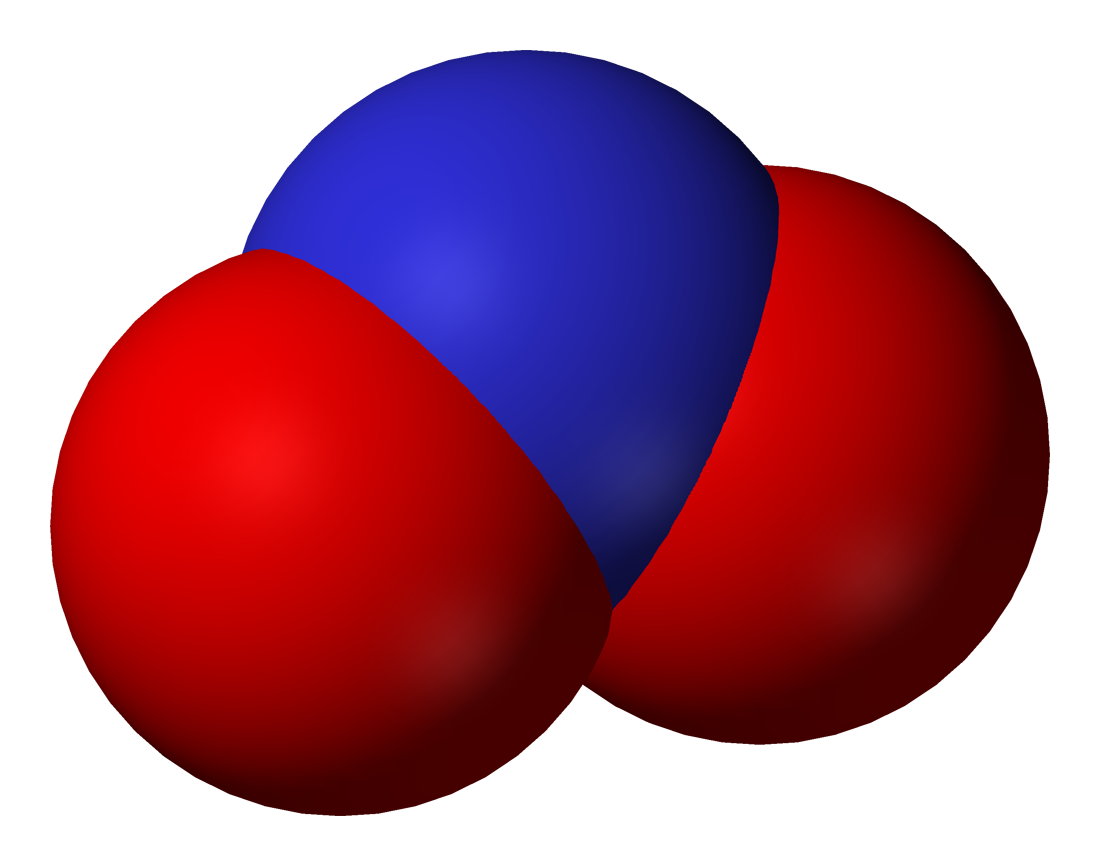
Sodium nitrite is an inorganic salt whose chemical formula is NaNO2. It consists of sodium cations and nitrite anions (NO2−) and is typically encountered as a pale yellow or white crystalline powder. As a simple nitrite salt it is commonly discussed in chemistry and industry; for a technical overview see compound information.
Image gallery
7 Images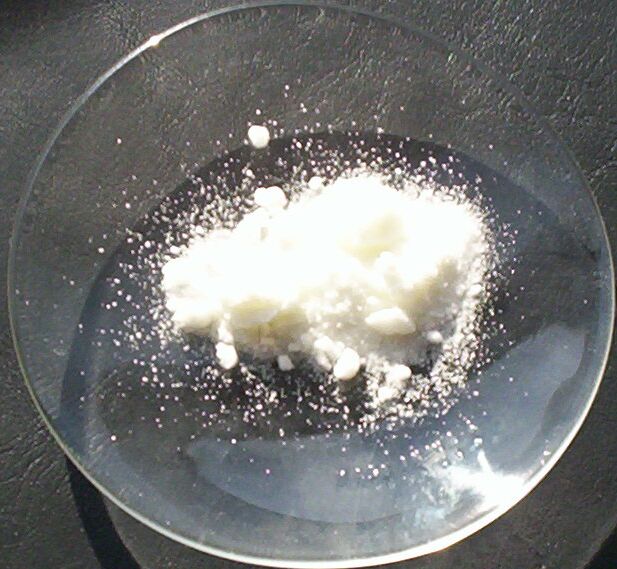




Chemical characteristics
The nitrite ion can act as either an oxidizing or reducing agent depending on conditions. In water sodium nitrite is readily soluble and, when acidified, can form nitrous acid (HNO2), which decomposes to nitric oxide (NO) and other species. These reactions underpin many of its laboratory and industrial uses. The salt is stable under normal storage but can accelerate corrosion or oxidize susceptible organic materials.
History and production
Sodium nitrite has been produced and used for more than a century. Historically it became important in dye manufacture and later in food preservation. Today it is manufactured industrially by reduction of nitrate or by controlled oxidation of nitric oxide, and then purified and crystallized. For manufacturing and regulatory perspectives consult industrial guidance.
Uses and examples
- Food preservation: widely used as a curing agent in processed meats to inhibit Clostridium botulinum, preserve color, and impart a characteristic flavor.
- Chemical synthesis: source of nitrosating agents and used in diazotization reactions important to dye and pharmaceutical production.
- Industrial: employed as a corrosion inhibitor in closed-loop heat-transfer systems and as a reagent in various chemical processes.
Health, safety and environmental concerns
Sodium nitrite is toxic in sufficient doses and can cause methemoglobinemia, a condition that reduces blood oxygen transport. When nitrite reacts with certain amines during high-heat cooking it can form nitrosamines, compounds linked to cancer risk; this has led to regulations limiting residual nitrite levels in foods and promoting measures to reduce nitrosamine formation. Proper storage, handling, and use of personal protective equipment are important; for safety datasheets and guidelines see safety resources.
Notable distinctions and further reading
It is important to distinguish nitrite (NO2−) from nitrate (NO3−): nitrate can be reduced biologically to nitrite, and both are part of environmental nitrogen cycles. Because of its widespread use and potential hazards, sodium nitrite is subject to regulatory limits in foods and workplace exposure standards. For additional technical details and regulation summaries visit additional references.
Related articles
Author
AlegsaOnline.com Sodium nitrite (NaNO2): properties, uses and safety Leandro Alegsa
URL: https://en.alegsaonline.com/art/91535