
Alter ego
An alter ego is an alternative self or persona adopted by a person. The term appears across psychology, literature, performance and law to describe distinct identities, roles, or projections separate from everyday self.
Overview
An alter ego (Latin for "other I") refers to an alternative self or distinct persona within a single individual. In everyday language it can mean a deliberately adopted role or mask, while in psychological and clinical discussion it may describe a separate pattern of thoughts, feelings and behaviour that contrasts with a person's usual identity. The phrase entered common use in the 19th century and is frequently applied across cultural, artistic and legal contexts.
Image gallery
2 Images
Characteristics and forms
Alter egos take several recognizable shapes. They may be:
- Deliberate personas: performed identities created for artistic, social or professional purposes (for example, stage names or fictional characters a person embodies).
- Private alternate selves: ways people think and act in particular relationships or situations that differ from their public presentation.
- Clinical dissociations: persistent, distinct identity states observed in certain psychiatric conditions (see distinctions below).
Psychological and clinical distinctions
Not every alternate persona is a mental disorder. In psychology an alter ego can be a metaphor for inner roles; in clinical psychiatry, multiple distinct identity states are associated with diagnoses such as dissociative identity disorder. Careful assessment is required to distinguish cultural, creative or situational alter egos from clinically significant dissociation. For more information about the clinical condition, see dissociative identity disorder.
Literary and cultural uses
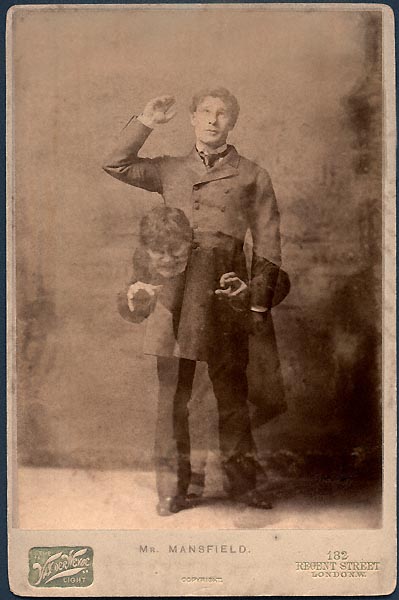
Writers and artists often employ alter egos to explore facets of personality, ethical conflict or social critique. Classic examples include fictional pairs that embody opposing traits, such as the duality dramatized in stories like The Strange Case of Dr Jekyll and Mr Hyde. Superheroes and their civilian identities illustrate how alter egos allow characters to navigate different responsibilities and moral codes. Musicians and performers commonly adopt stage personas to shape public image or creative expression.
Legal, social and practical roles
Outside psychology and the arts, "alter ego" appears in legal and commercial language. Courts sometimes use an "alter ego" concept when one entity is effectively indistinguishable from another, a test that can justify holding an individual accountable for an organization’s obligations. Socially, people employ alter egos to experiment with behavior, manage privacy, or separate personal and professional lives.
Notable points
Alter egos can be temporary, purposeful, therapeutic, creative or symptomatic. Their meaning depends on context: a theatrical mask differs in intent and consequence from a persistent identity state that impairs functioning. Understanding an alter ego requires attention to history, motivation and impact rather than relying on the term alone.
Questions and answers
Q: What is an alter ego?
A: An alter ego is another self or a second personality within a person.
Q: Where does the term "alter ego" come from?
A: The term "alter ego" comes from Latin, meaning "other I."
Q: When was the term "alter ego" first used?
A: The term "alter ego" was first used in the 19th century.
Q: Who first used the term "alter ego"?
A: It is not specified who first used the term "alter ego."
Q: What is dissociative identity disorder?
A: Dissociative identity disorder is a condition where a person has multiple distinct personality states.
Q: Why do psychologists use the term "alter ego"?
A: Psychologists use the term "alter ego" when discussing dissociative identity disorder and the different personality states within an individual.
Q: Can you provide an example of an alter ego from literature?
A: Yes, Mr. Hyde from The Strange Case of Dr Jekyll and Mr Hyde is an example of an alter ego. He was Dr. Jekyll's evil alternate personality.
Related articles
Author
AlegsaOnline.com Alter ego Leandro Alegsa
URL: https://en.alegsaonline.com/art/3050