
Sodium acetate (CH3COONa)
Sodium acetate is the sodium salt of acetic acid, used in laboratories, industry, food, and reusable heating pads. It occurs as anhydrous and trihydrate forms and is prepared by neutralizing acetic acid.
Overview
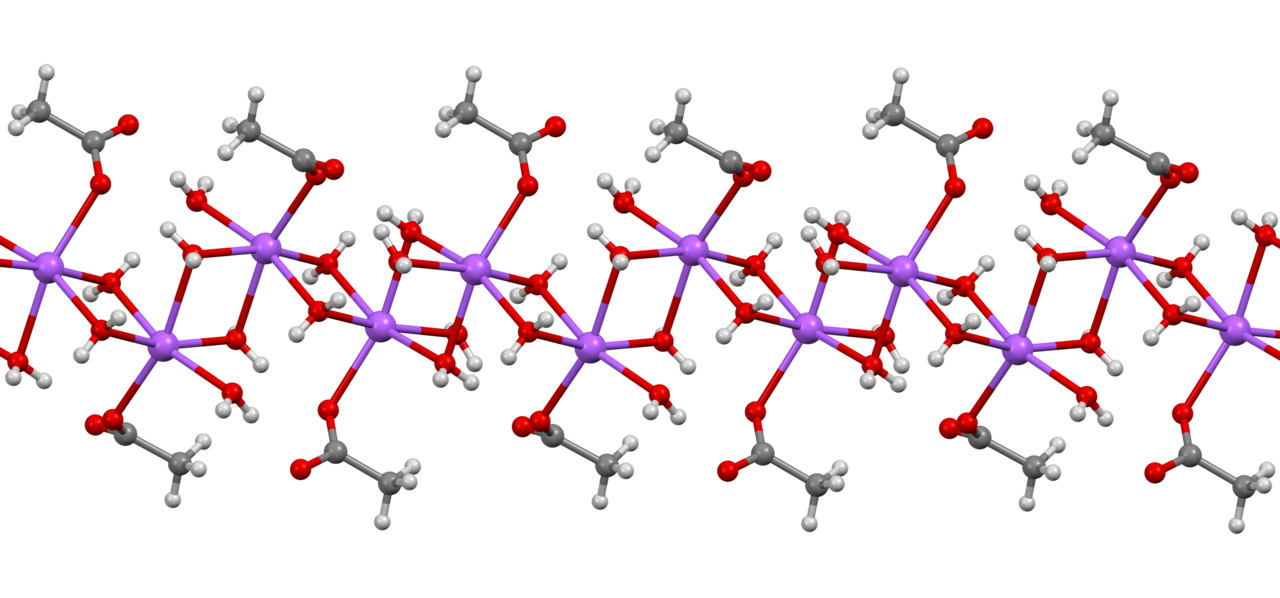
Sodium acetate is an inorganic salt with the formula CH3COONa. It is the sodium salt of acetic acid and appears commonly as either an anhydrous powder or a crystalline trihydrate. It dissolves in water to give acetate ions and is widely used in chemistry, manufacturing, and food-related applications. For basic compound data see chemical databases, and for the parent acid see acetic acid.
Image gallery
10 Images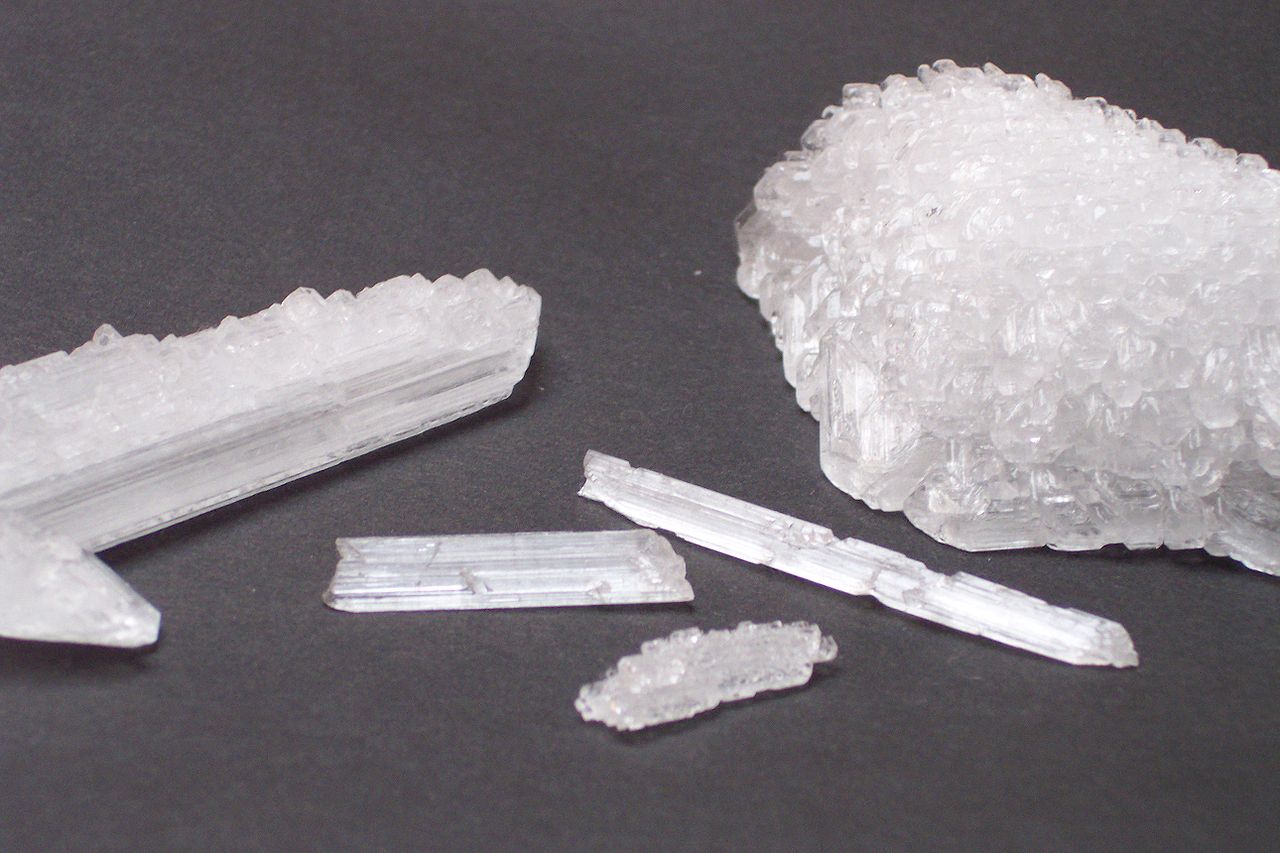




Properties and forms
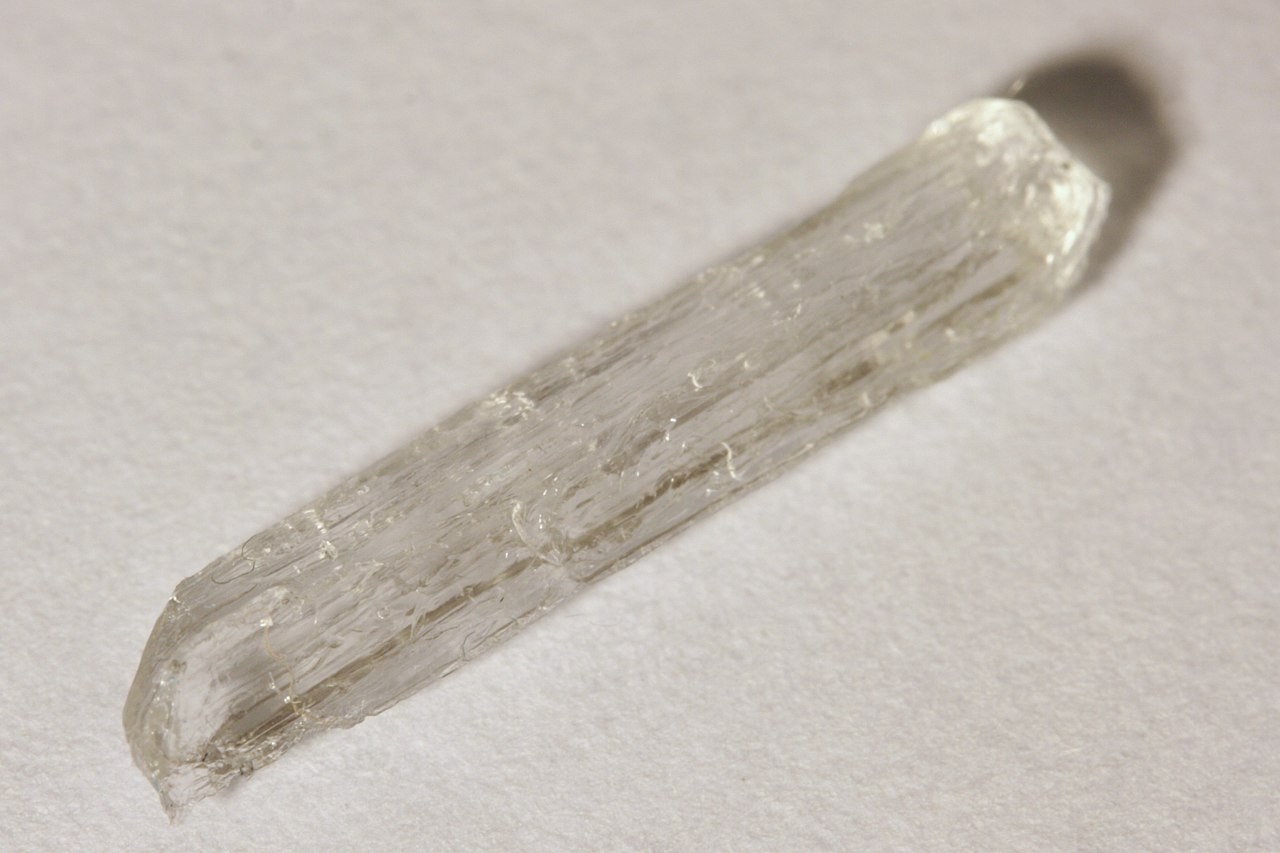
Commercial sodium acetate exists in multiple hydration states; the trihydrate (with three waters of crystallization) is frequently encountered. The salt is mildly alkaline in aqueous solution because the acetate ion is the conjugate base of a weak acid. It is considered an irritant if dust contacts skin or eyes, and it should be handled with routine laboratory precautions.
Production and reactions
Sodium acetate is produced by neutralizing acetic acid with a sodium source such as sodium hydroxide, sodium carbonate, or sodium bicarbonate. It can participate in typical organic chemistry roles as an acetate donor and is used as a buffering agent: in solution it helps maintain pH in the mildly acidic to neutral range.
Uses and examples
- Laboratory buffer and reagent: common in buffer systems and in nucleic acid precipitation protocols.
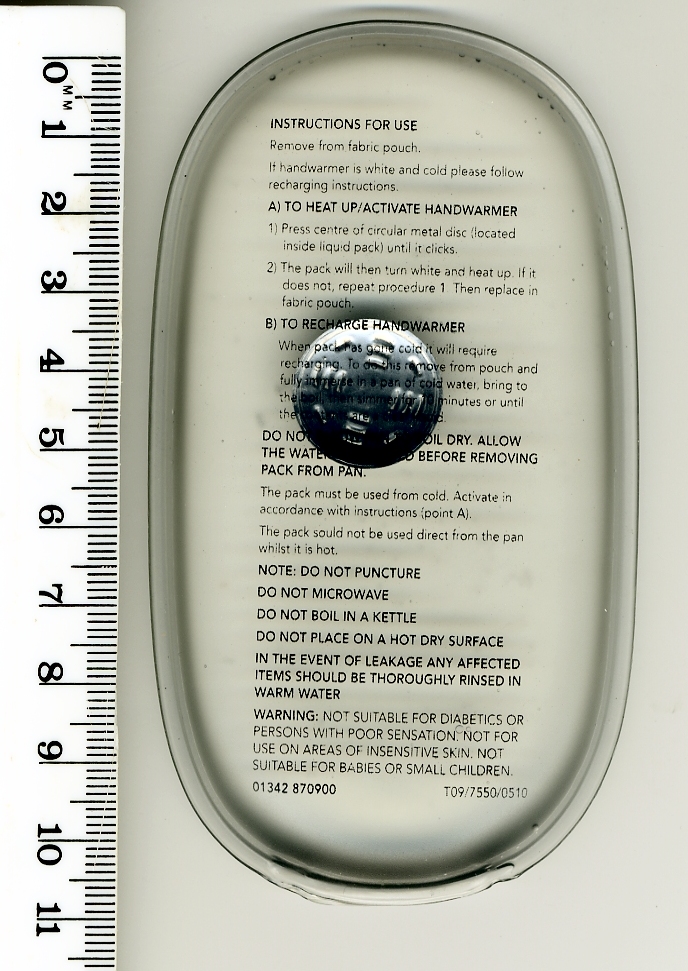
- Heating pads: supersaturated solutions of sodium acetate trihydrate release heat when crystallizing and are used in reusable hand-warmers.
- Food and industry: used as a seasoning and for corrosion control or as a textile and dyeing aid in industrial processes.
- Concrete and leather: employed in some formulations as a sealant or preservative additive.
History and notable facts
The compound has a long practical history as a simple, stable salt of acetic acid and became more prominent with modern chemistry and industrial processing. Its role in demonstration heating packs illustrates a practical physical chemistry phenomenon: the exothermic crystallization of a supersaturated solution.
Safety and distinctions
Sodium acetate is of low acute toxicity but can irritate tissues in concentrated form. It differs from bicarbonate salts in acidity and buffering range and from acetic acid in being non-volatile and solid at room temperature. Standard precautions—gloves, eye protection, and proper ventilation—are appropriate when handling the pure material.
Related articles
Author
AlegsaOnline.com Sodium acetate (CH3COONa) Leandro Alegsa
URL: https://en.alegsaonline.com/art/91512