
Flame (combustion): visible part of fire, structure, color, and uses
A flame is the visible, gaseous region produced by a combustion reaction. This article explains its structure, colors and temperatures, types, common uses, and safety considerations.
A flame is the visible manifestation of a combustion reaction: hot, glowing gases and particles produced when a fuel reacts with an oxidizer in an exothermic process. The flame is typically the part of a fire that gives off light and heat and can take a wide variety of shapes, sizes, and colors depending on conditions.
Image gallery
6 Images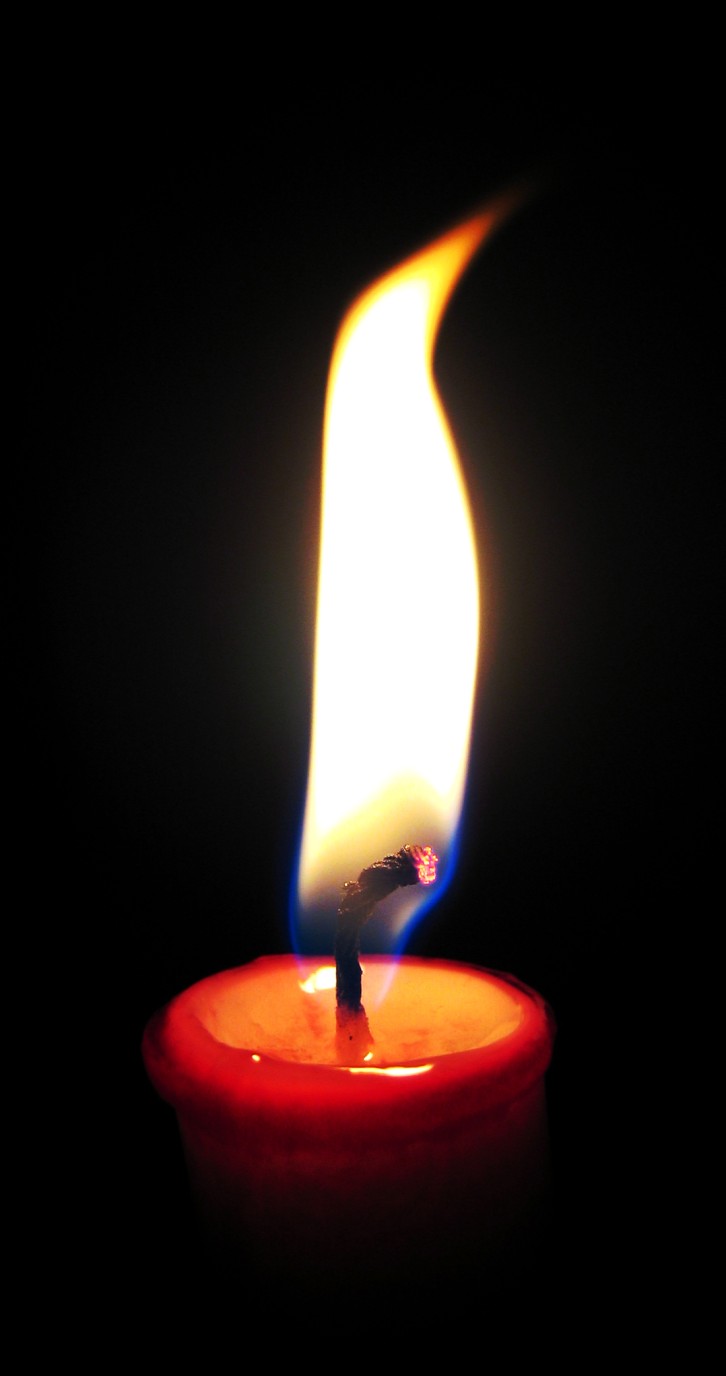


Basic structure and behaviour
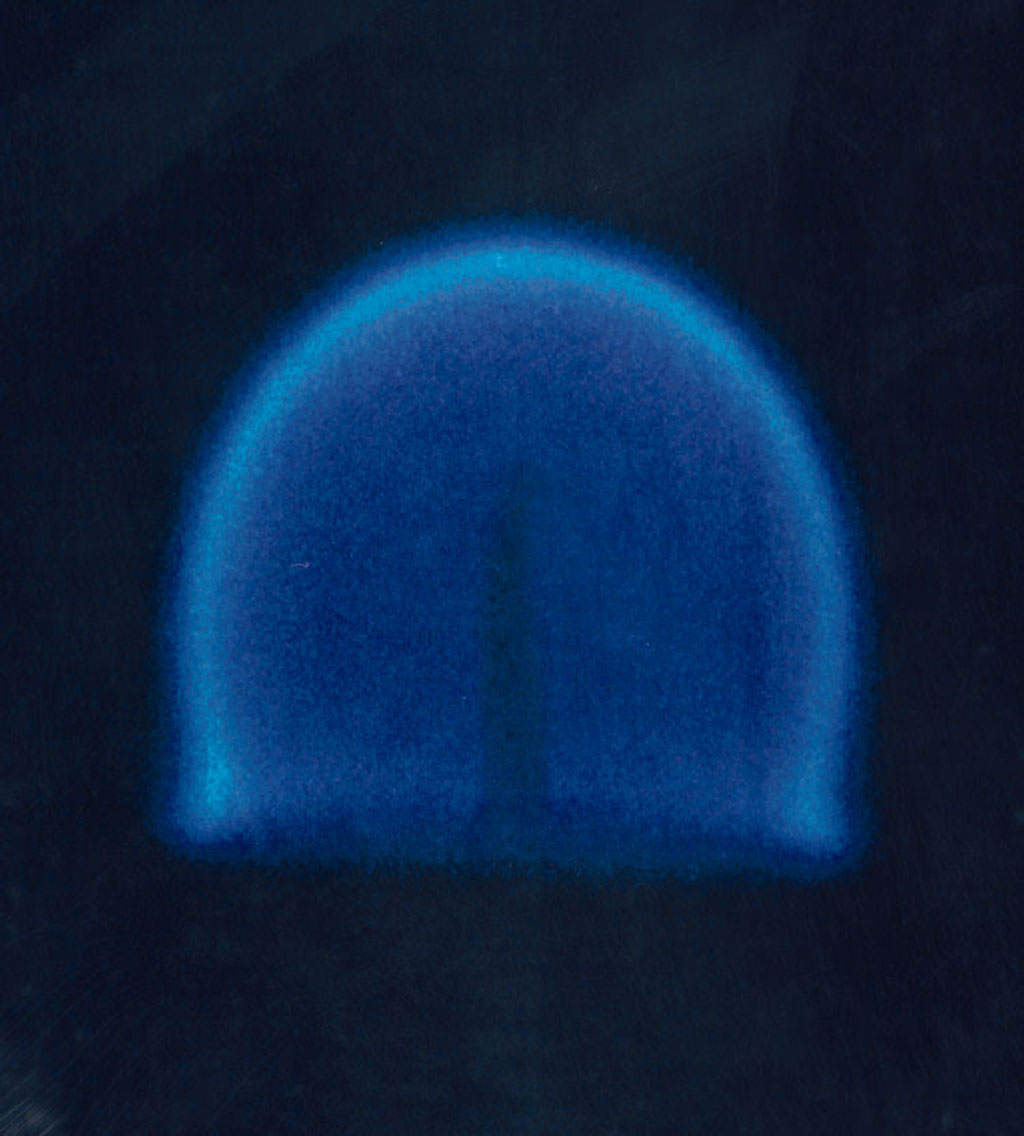
Although a flame looks simple at a glance, it commonly contains distinct zones. Near the fuel source an inner core of unburned or partially burned gases can exist; farther out there is a luminous region where incandescent particles and excited molecules emit visible light; at the outer edge a thin reaction zone converts remaining fuel to combustion products. In laboratory and industrial settings flames are classified by their flow regime (laminar or turbulent) and by how the fuel and oxidizer mix (premixed or diffusion).
Colour and temperature
Flame colour and apparent intensity are related to temperature and to the chemical processes occurring within the flame. A blue or white flame is commonly associated with more complete combustion and higher local temperatures, where excited molecules and ions emit light at shorter wavelengths. Yellow, orange, and red flames often indicate incandescent soot particles or lower-temperature emission. Observing a flame’s colour can provide clues about efficiency and composition, but colour alone does not give exact temperatures; see more on temperature and color.
Types and common fuels
Flames arise from many fuels: gases (natural gas, hydrogen), liquids (alcohol, gasoline), and solids (wood, candle wax). The way a fuel is delivered affects flame characteristics. In a premixed flame the fuel and oxidizer mix before burning, producing a distinct, often blue flame; in diffusion flames the fuel and oxidizer meet at the reaction front, commonly yielding a luminous, yellow flame. Practical differences matter in engines, burners, and torches. For more on fuels and their roles consult resources about fuels.
Uses, importance, and notable facts
- Candles, stoves, and laboratory burners use controlled flames for light, heat, or chemical reactions.
- Industrial applications include welding, cutting, and combustion in engines where flame shape and temperature affect efficiency.
- Flame tests and spectroscopy exploit characteristic emissions from elements to identify chemical species.
Scientists study flames to improve fuel efficiency, reduce pollutants, and understand combustion instabilities. Safety is a constant concern: flames indicate energy release but can cause fires, burns, and toxic byproducts when uncontrolled. Understanding flame behaviour—its structure, color, and the role of fuel and oxidizer—helps in designing safer and more effective combustion systems.
Related articles
Author
AlegsaOnline.com Flame (combustion): visible part of fire, structure, color, and uses Leandro Alegsa
URL: https://en.alegsaonline.com/art/34990