
Slobodan Praljak
Bosnian Croat engineer, director and military officer convicted by the ICTY and who died after ingesting poison in court in 2017; notable for his roles in culture and the Croat–Bosniak conflict.
Overview
Slobodan Praljak (2 January 1945 – 29 November 2017) was a Bosnian Croat political and cultural figure who combined careers in engineering, the arts and the military. Trained as an engineer, he later worked as a television and theatre director and directed one feature film. During the 1990s conflicts in the former Yugoslavia he became a senior officer in the Croatian Defence Council (HVO) and a general in the Croatian Army. He is best known internationally for his 2013 conviction at the International Criminal Tribunal for the former Yugoslavia (ICTY) and for his dramatic death in 2017 after ingesting poison in the courtroom.
Image gallery
3 Images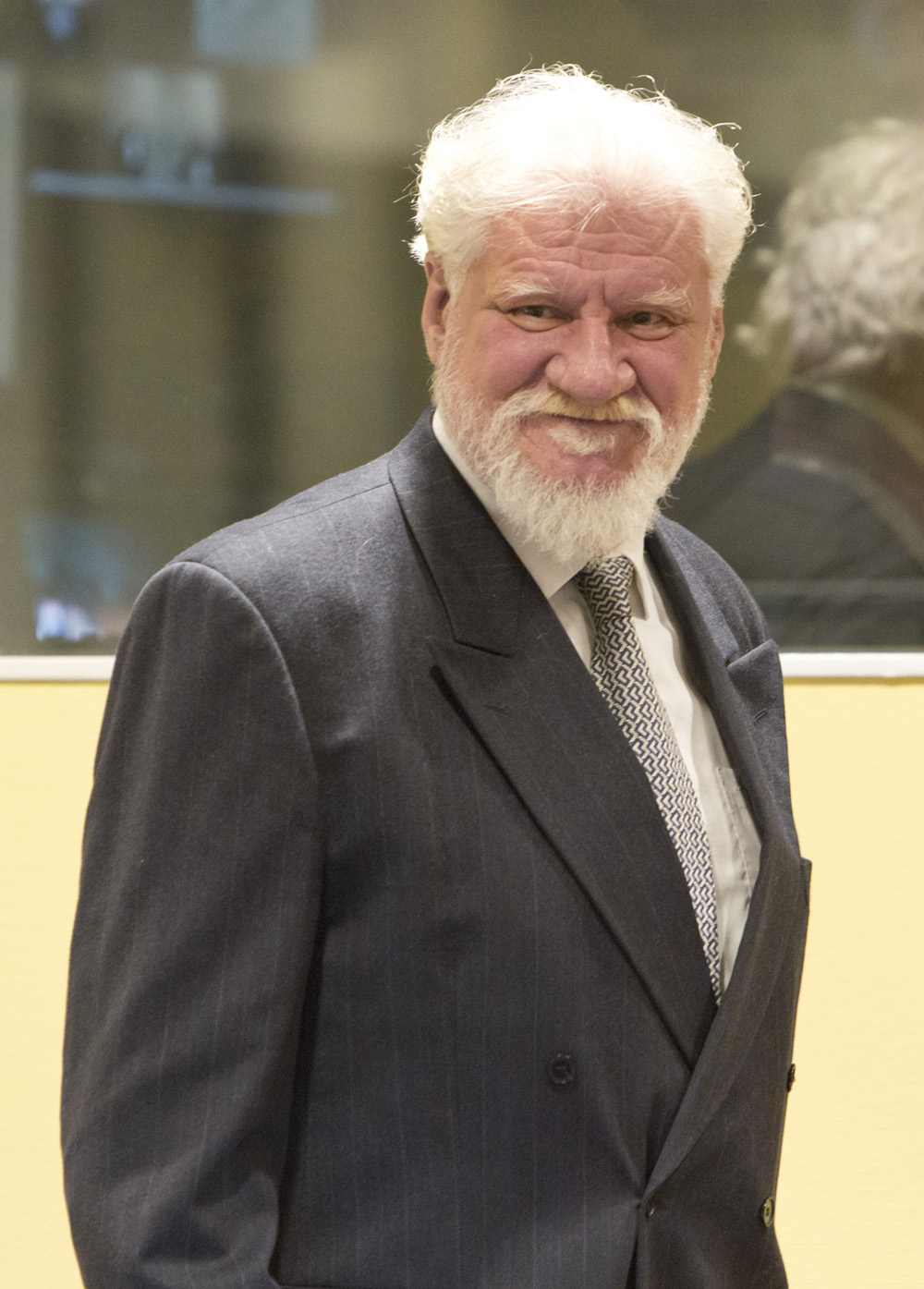


Early life and cultural work
Praljak was born in the town of Čapljina. After completing technical education he worked in various technical and managerial roles, reflecting his background as an engineer. Alongside that career he maintained an active involvement in the performing arts. He directed stage productions and television programmes and is credited with directing the film Povratak Katarine Kozul (1989). His work in theatre and television brought him recognition within cultural circles prior to the wars of the 1990s, and he continued to be identified as much for cultural contributions as for his military role (film, theatre).
Military role and the wartime period
During the breakup of Yugoslavia Praljak joined the leadership of the Croatian Defence Council, the main military force of the Croatian community in Bosnia and Herzegovina during the Croat–Bosniak conflict. The council formed part of the structures associated with the self-proclaimed Croatian Republic of Herzeg-Bosnia. He rose to the rank of general and served in senior command positions. His wartime activities later became the subject of international investigation and prosecution.
Trial, conviction and sentence
In 2013 the International Criminal Tribunal for the former Yugoslavia convicted Praljak along with several other Bosnian Croat leaders for crimes committed during the Croat–Bosniak War; the tribunal found that members of the joint leadership were responsible for a range of violations. Praljak was sentenced to 20 years' imprisonment. The case was a prominent and controversial element of the ICTY's work addressing responsibility for wartime conduct.
Death in The Hague and aftermath
On 29 November 2017, shortly after an appeals ruling was read at the ICTY in The Hague, he drank a substance that was subsequently identified as cyanide. He was transported to hospital in the Netherlands and later died; initial reports cited cardiac arrest or heart failure as the immediate cause of death. The event prompted widespread media coverage, official inquiries and renewed discussion about accountability, procedure and the experience of those convicted by international tribunals.
Legacy and notable facts
- Praljak's public profile combined technical, artistic and military careers, an uncommon mixture that shaped how he was perceived both locally and abroad.
- His film and theatre work remain a lesser-known aspect of his life compared with his wartime activity.
- The manner of his death in a courtroom became a highly publicized and debated moment in the history of post-Yugoslav justice.
Praljak was married and had stepchildren. His life and death continue to be referenced in discussions about the Croat–Bosniak War, transitional justice in the Balkans and the human consequences of international prosecution. For readers seeking further primary-source material and tribunal documentation, consult international court records and contemporary reporting archived by major news organizations and legal repositories (theatre archives, regional histories, toxicology summaries, ethnic community profiles).
Related articles
Author
AlegsaOnline.com Slobodan Praljak Leandro Alegsa
URL: https://en.alegsaonline.com/art/91128