
Soapy Smith: American con artist and frontier crime boss
Jefferson 'Soapy' Smith (1860–1898) was an American confidence man who led organized criminal operations in Colorado mining towns and Skagway, Alaska, and died in a famous 1898 shootout.
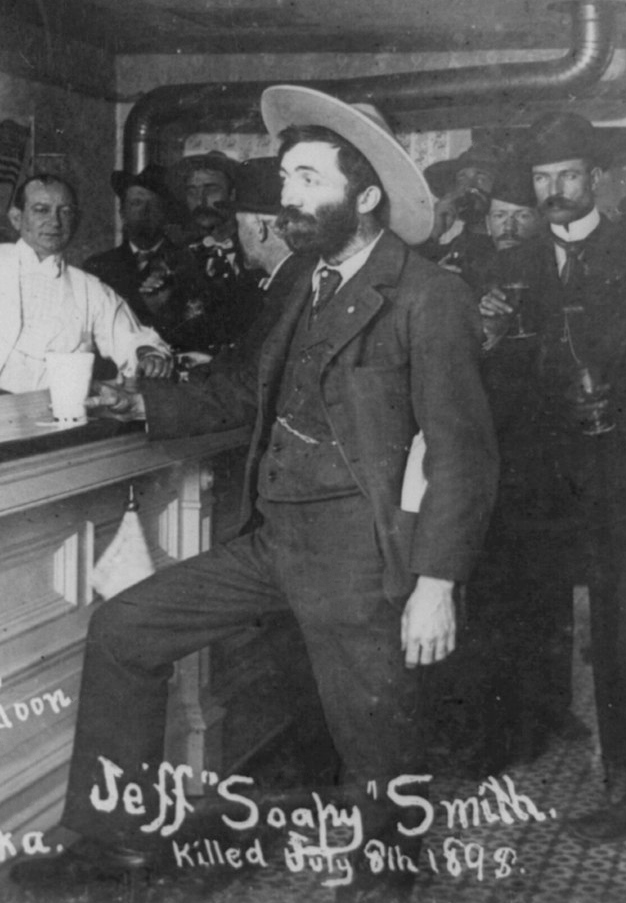
Jefferson Randolph "Soapy" Smith II (1860–1898) was an American confidence trickster and informal crime boss whose career connected the boomtowns of the American West with the Klondike Gold Rush frontier. Born in Coweta County, Georgia, he rose from small-time scams to preside over tightly knit crews that controlled gambling, protection, and election influence in several communities. His life is remembered as a blend of criminal enterprise, frontier politics, and folklore.
Image gallery
6 Images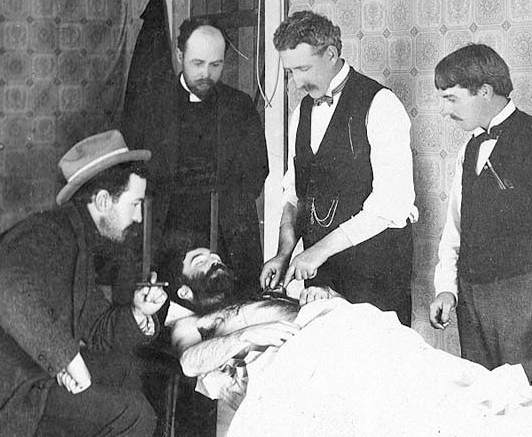


Overview and character
Soapy Smith combined theatrical confidence schemes with the organization and discipline of a street gang. He presented a friendly, streetwise persona that masked carefully staged cons and the use of force to protect profits. Contemporary accounts describe him as charismatic and pragmatic — a figure who could persuade strangers to play rigged games, then ensure rivals were pushed out or bribed into cooperation.
Criminal methods and operations
Smith is commonly associated with elaborate short cons that relied on distraction, planted winners, and a network of accomplices. He is credited with popularizing a variant of the "prize soap" racket that earned him his nickname: bars of soap were sold or raffled as prizes, with only a few containing money; accomplices posing as honest buyers would publicly win, encouraging others to participate. He also used more familiar street scams such as shell games and loaded dice, and he directed teams that controlled gambling houses, saloons, and the flow of information in towns.
- Deceptive raffles and rigged prizes (the origin of "Soapy").
- Coordinated gambling operations and confidence plays.
- Protection rackets, ballot manipulation, and local political influence.
Throughout the 1880s and 1890s his operations moved with economic opportunity: he was active in Denver-area and mining communities in Colorado, and later followed the Gold Rush north to Skagway, Alaska. Observers of the period often linked his crews to emerging forms of organized crime in the rapidly changing towns of the West.
Death and legacy
Smith's career ended abruptly in 1898 during a violent confrontation with a group of local citizens determined to break his control of Skagway. The clash, widely reported at the time, resulted in Smith's death. The episode became a defining moment in the town's history and fed a long tradition of storytelling about law, order, and vigilantism on the frontier. His name survives in histories of the American West and the Klondike era and has been the subject of biographies, museum displays, and popular retellings.
While his methods were criminal, Soapy Smith also exemplifies a specific historical phenomenon: the entrepreneurially criminal leader who thrived where rapid growth outpaced formal law enforcement. For further background on confidence games and frontier crime, see contemporary collections and local histories that examine both the scams themselves and the social conditions that allowed them to flourish. Additional reading and resources are available through regional archives and historical societies that cover his activities in Colorado and Skagway, Alaska. For brief online introductions and document collections, consult general overviews of confidence men and the period of confidence schemes in American history, studies of gangster influence in boomtowns, and archival materials about frontier organized crime.
Related articles
Author
AlegsaOnline.com Soapy Smith: American con artist and frontier crime boss Leandro Alegsa
URL: https://en.alegsaonline.com/art/91391