
Snorri Sturluson: Icelandic historian, poet and compiler of Norse tradition
Icelandic chieftain (1179–1241), lawspeaker, poet and author of the Prose Edda and Heimskringla; key figure in preserving Norse myth and early Scandinavian history.
Snorri Sturluson (1179–23 September 1241) was an Icelandic scholar whose work shaped modern knowledge of Norse myth and medieval Scandinavian history. He combined legal training, poetic skill and antiquarian interest to record stories, genealogies and verse that otherwise would have been lost. His career mixed cultural activity with active leadership in Icelandic politics, and his writings remain central to studies of Old Norse literature.
Image gallery
5 Images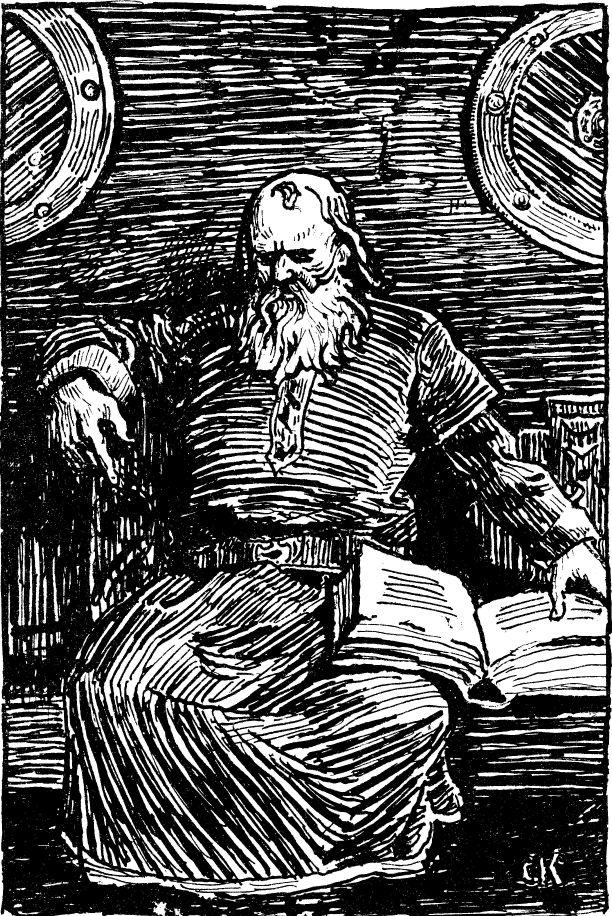


Major works and approach
Snorri is best known for two surviving works. The Prose Edda (often called the Younger Edda) is a manual for poets and a primary source for Norse mythology: it explains mythic stories and poetic diction and preserves many skaldic verses. The Heimskringla is a collection of sagas about Norwegian kings that begins with legendary origins and continues into the historical medieval period. In both books Snorri used oral tradition, skaldic poetry and older written materials, organizing them into coherent narratives and explanatory passages.
Contents and structure
- Prose Edda: a handbook for composing and understanding skaldic poetry and mythic tales, intended to preserve poetic technique and mythic lore for future poets.
- Heimskringla: a sequence of king-sagas that links mythic genealogies with the deeds and politics of historical rulers, illustrating how legend and history were blended in medieval Scandinavia.
Life, politics and death
Born into a powerful family during a period of local chieftain rivalries, Snorri served several terms as lawspeaker at the Althing, Iceland's assembly. He was a prominent member of the Sturlungar faction during the period known as the Age of the Sturlungs. His political maneuvering included seeking alliances beyond Iceland, and his ties to Norwegian rulers and other magnates drew him into larger struggles. Snorri was killed at his farm in Reykholt in 1241 during factional conflict influenced by external royal ambitions and local enmities.
Style, sources and influence
Snorri wrote in a clear, expository Old Norse that balances narrative storytelling with didactic passages explaining poetic forms and mythic meaning. He often quotes skaldic verse as evidence and relies on oral tradition, genealogies and lost sources. Because of his compilations, many myths—about figures such as Odin and Thor—and numerous skaldic stanzas survive only through his treatment. Later scholars, poets and translators have used his arrangement as a foundation for reconstructing Norse religion and history.
Further reading and resources
Because Snorri's work spans literature, law and politics, modern study ranges from literary analysis to historical reconstruction. For introductions and editions see biographical summaries, editions and translations at text repositories, scholarly commentary on the Prose Edda and analyses of Heimskringla. Contextual resources on the Althing, the use of skaldic verse, and discussions of the transition from legendary material to historical narrative are helpful for readers. Biographical and political studies are available via specialist histories and general overviews of medieval Icelandic society at reference portals.
Related articles
Author
AlegsaOnline.com Snorri Sturluson: Icelandic historian, poet and compiler of Norse tradition Leandro Alegsa
URL: https://en.alegsaonline.com/art/91333