
Sleep Apnea: Causes, Symptoms, Diagnosis, and Treatment
Guide to sleep apnea: causes (obstructive, central, mixed), symptoms and risk factors, diagnosis with sleep studies, and treatments including CPAP, oral appliances, and lifestyle measures.
Overview
Sleep apnea is a condition in which a person repeatedly stops breathing during sleep. Individual pauses in breathing typically last 10 seconds or longer and may include several missed breaths. These interruptions fragment sleep and commonly produce excessive sleepiness during waking hours. Because episodes can lead to brief unintended sleep episodes (microsleep), people with untreated sleep apnea may be unsafe to drive or operate machinery.
Image gallery
8 Images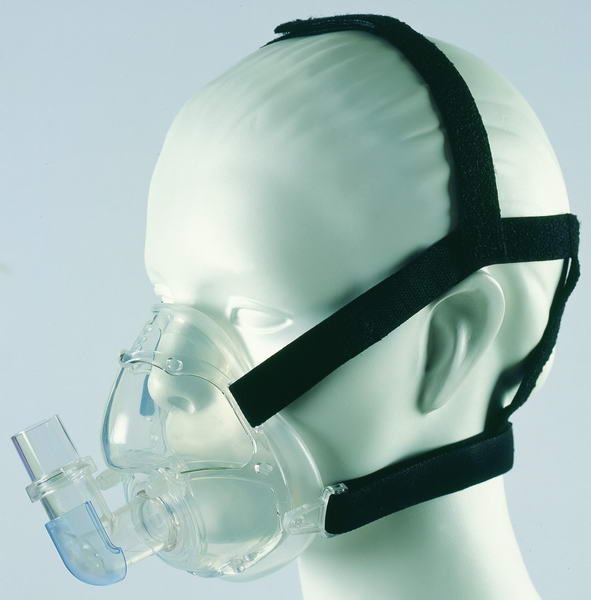




How it occurs
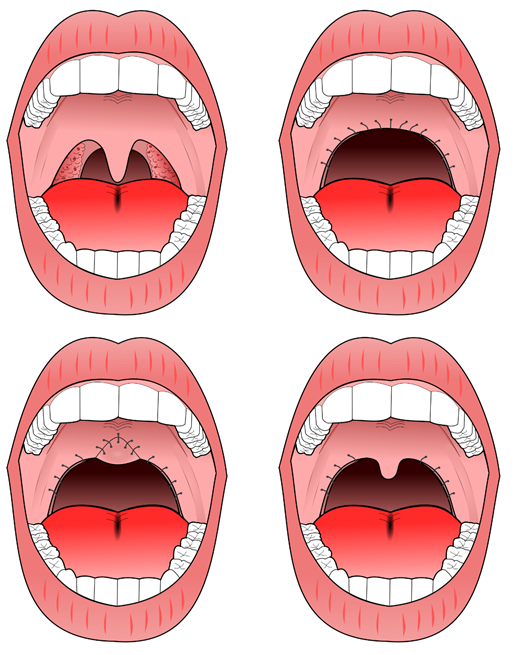
The most frequent form, obstructive sleep apnea, happens when the throat tissues collapse toward the back of the airway while a person inhales. Structures that can contribute to the blockage include the soft palate, the uvula, enlarged tonsils, and the tongue. When these tissues obstruct airflow, oxygen levels can fall and the body must arouse partially to resume normal breathing.
Types
- Obstructive sleep apnea (OSA): caused by physical blockage of the upper airway and is the most common type.
- Central sleep apnea: due to reduced or absent respiratory drive from the brain; there is no airway collapse but breathing effort is diminished.
- Mixed (complex) sleep apnea: features of both obstructive and central events.
Symptoms and possible complications
- Loud, habitual snoring (especially with pauses or choking sounds)
- Daytime sleepiness, fatigue, or difficulty concentrating
- Morning headaches and dry mouth
- Increased risk of high blood pressure, heart rhythm problems, and other cardiovascular concerns if left untreated
Who is at higher risk
- People with excess weight or large neck circumference
- Males and older adults (risk rises with age)
- Those who use alcohol or sedative medications before bed
- Individuals with certain anatomical features such as enlarged tonsils or a large tongue
Diagnosis
Evaluation usually begins with a clinical history and may include overnight testing. Laboratory polysomnography (sleep study) records airflow, breathing effort, oxygen levels, and sleep stages and is the standard test. In selected patients, validated home sleep apnea tests may be used.
Treatment and management
Treatment depends on severity and type:
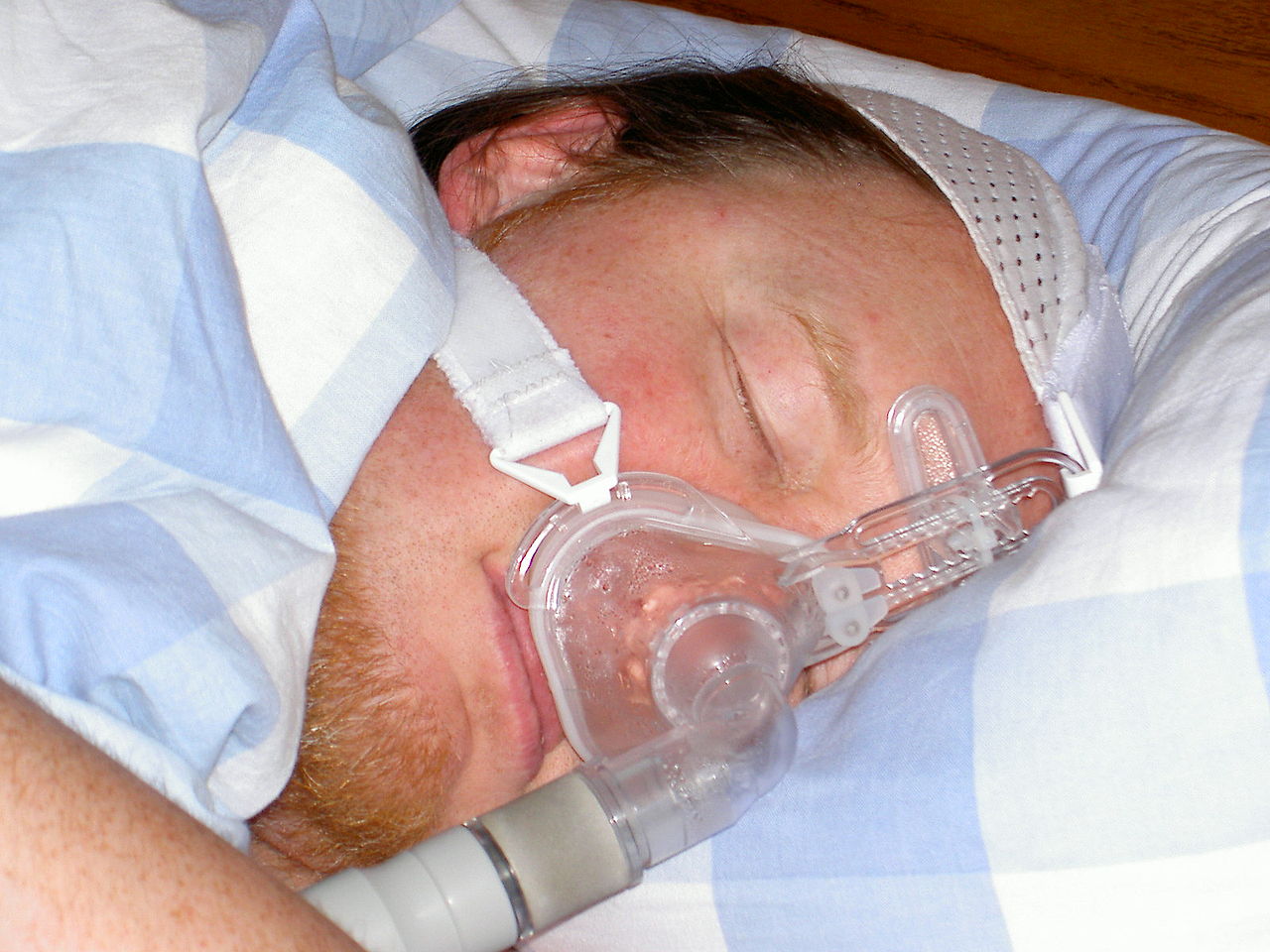
- Continuous positive airway pressure (CPAP) is the primary therapy for moderate to severe obstructive sleep apnea and works by splinting the airway open with pressurized air.
- Oral appliances that reposition the lower jaw or tongue can help people with mild to moderate obstructive sleep apnea.
- Lifestyle measures—weight loss, avoiding alcohol or sedatives before bedtime, and treating nasal congestion—can reduce symptoms.
- Positional therapy (avoiding supine sleep) and, in specific cases, surgical options to remove or reposition tissue may be considered.
CPAP and other treatments usually improve daytime alertness and quality of life. They can also lower blood pressure modestly; the impact on long-term cardiovascular outcomes is an area of ongoing research.
When to seek care
If loud snoring, witnessed pauses in breathing, daytime sleepiness, or problems with attention occur, a medical evaluation is warranted. Untreated sleep apnea can affect daily functioning and may increase health risks.
Related articles
Author
AlegsaOnline.com Sleep Apnea: Causes, Symptoms, Diagnosis, and Treatment Leandro Alegsa
URL: https://en.alegsaonline.com/art/91074
Sources
- bmj.bmjjournals.com : "Didgeridoo playing as alternative treatment for obstructive sleep apnea syndrome: randomised controlled trial"
- doi.org : 10.1136/bmj.38705.470590.55
- ncbi.nlm.nih.gov : 1360393
- pubmed.ncbi.nlm.nih.gov : 16377643
- cpapplanet.com : Sleep Apnea Machines
- blog.cpapplanet.com : Is it snoring or sleep Apnea?