
Skua (Stercorarius): aggressive seabirds and kleptoparasites
Skua (genus Stercorarius) are robust seabirds known for kleptoparasitism and direct predation. They breed on tundra and islands, migrate widely, and include jaeger species with varied plumage and behavior.
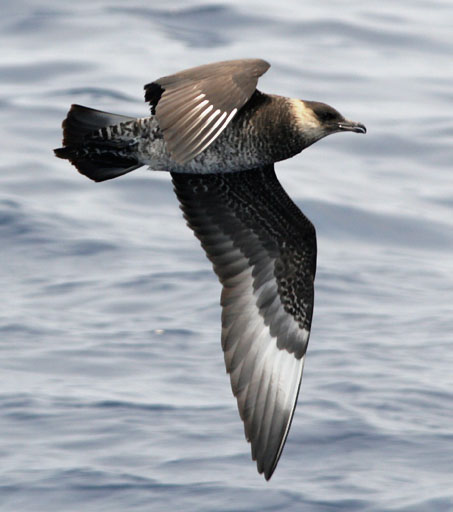
Skuas are sea-associated birds belonging to the genus Stercorarius. Often described as a group of birds adapted to life at sea, they are most commonly found around the ocean where their aggressive feeding strategies are readily observed. Robust and fast in flight, skuas occupy a distinctive ecological niche among seabirds: they combine direct predation with kleptoparasitism, taking food both by hunting and by harrying other birds until those birds drop or abandon their catch.
Image gallery
10 Images


Characteristics
Skuas vary in size from medium to fairly large seabirds, with heavy bodies, long wings and a stout, hooked bill suited to tearing flesh. Plumage colors range from dark brown to mottled gray or pale morphs in some species; juveniles often look more mottled than adults. Their wings are strong and pointed for long flights over open water, and their feet are partially webbed to assist when handling prey at the surface.
Behavior and diet
These birds are perhaps best known for two feeding behaviours. First, kleptoparasitism: skuas frequently chase other seabirds until the pursued bird drops or abandons its food. Second, they are active predators and scavengers that will capture or consume eggs, chicks and injured birds. In addition, they will eat other seabirds and take fish, carrion and invertebrates when available.
- Gulls and other medium-sized seabirds are common targets of kleptoparasitic attacks.
- Terns are often pursued because they carry small fish back to their nests.
- Puffins and similar diving birds may be killed or have their chicks taken in close colonies.
- Penguins are sometimes affected where ranges overlap, particularly on subantarctic islands.
Distribution, migration and breeding
Skuas nest on the ground in open habitats such as tundra, heath and coastal islands in temperate and arctic regions. Many species undertake long, often transoceanic migrations between breeding and wintering grounds; some individuals have been recorded at extreme latitudes, including reports from near the South Pole. Breeding pairs defend territories vigorously, nesting in simple scrapes and provisioning chicks with a mixed diet of stolen and captured food.
Species groups and conservation
The genus contains species commonly called skuas or jaegers (the latter name used in the Americas). Well-known members include the great skua and the jaegers (pomarine, parasitic/arctic, and long-tailed), which differ in size, tail shape and migration patterns. Conservation status varies by species: some are abundant and widespread while others face pressures from habitat change, introduced predators on breeding islands, pollution and fisheries interactions. Their bold behavior and role as both predator and scavenger make skuas ecologically notable among seabirds.
Related articles
Author
AlegsaOnline.com Skua (Stercorarius): aggressive seabirds and kleptoparasites Leandro Alegsa
URL: https://en.alegsaonline.com/art/90971