
Sloth bear (Melursus ursinus)
A medium-sized bear of the Indian subcontinent, the sloth bear is insectivorous, shaggy-furred, and adapted to feeding on termites and ants; it faces habitat loss and historical persecution.
Overview
The sloth bear (Melursus ursinus) is a species of bear native to the Indian subcontinent. It is notable for a shaggy coat, long curved claws and a specialized snout and lips used to feed on insects. Although its common name includes "sloth," it is not related to tree sloths; the name probably reflects an early observer's impression of its slow gait.
Image gallery
10 Images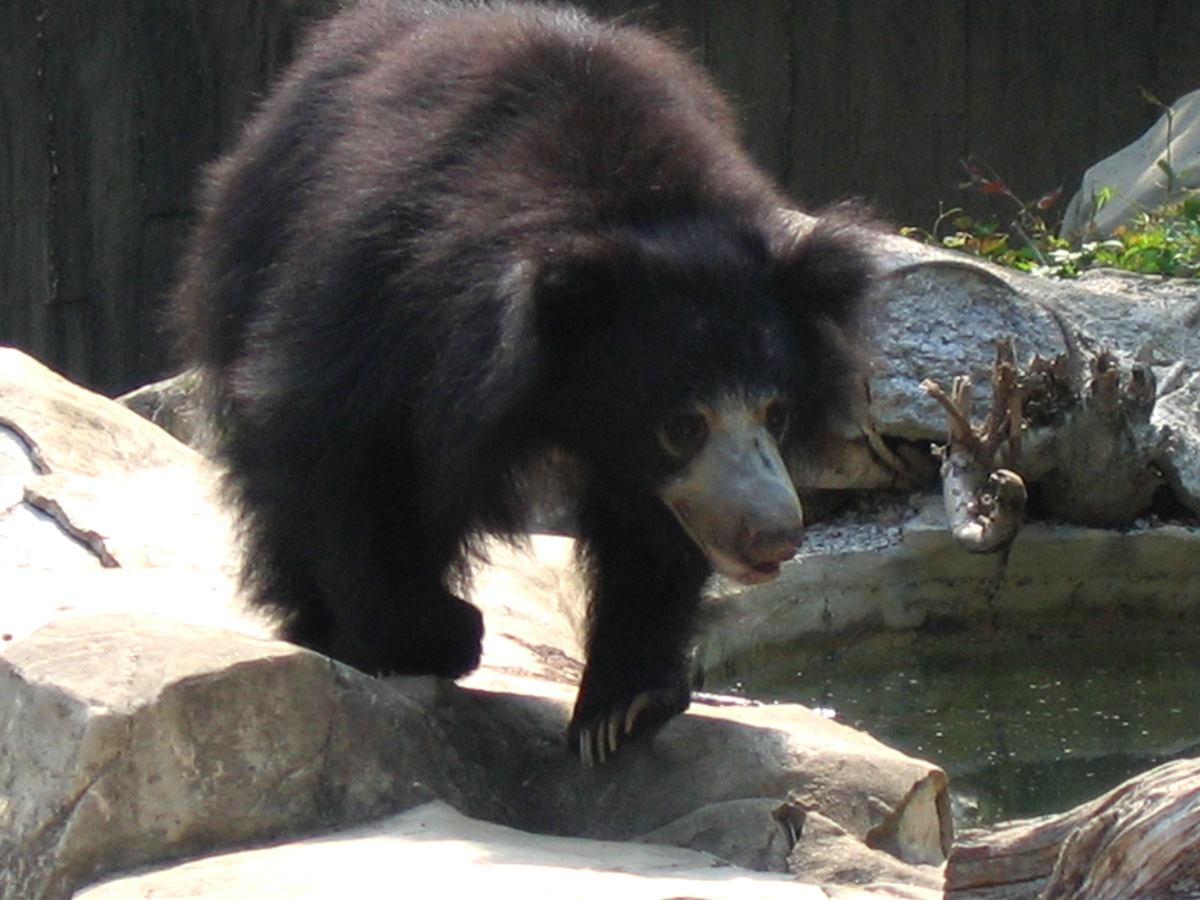


Physical characteristics
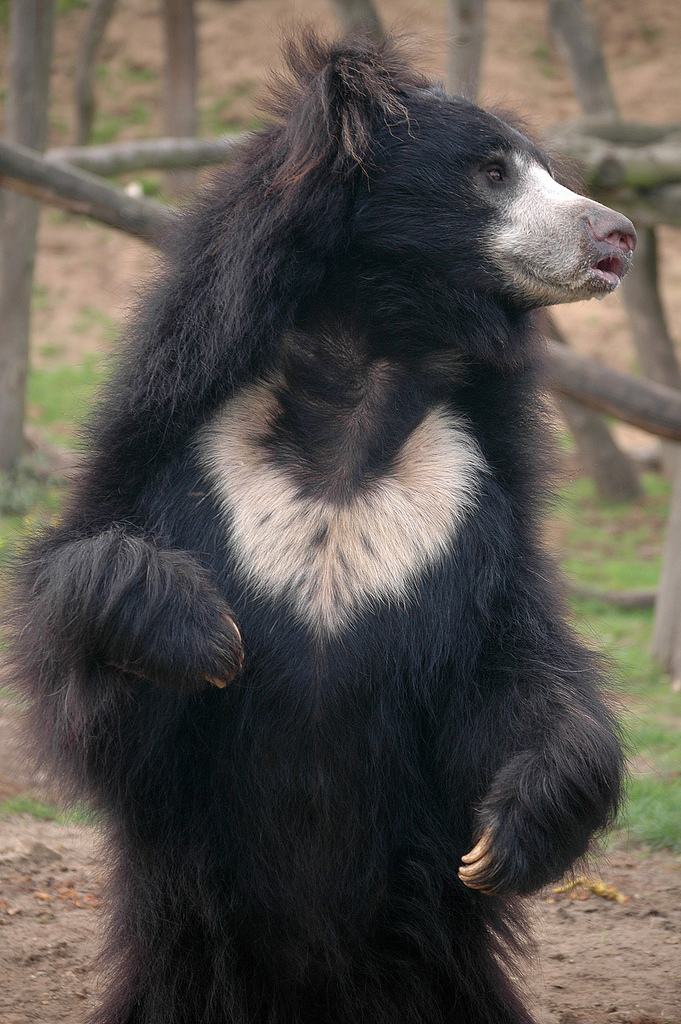
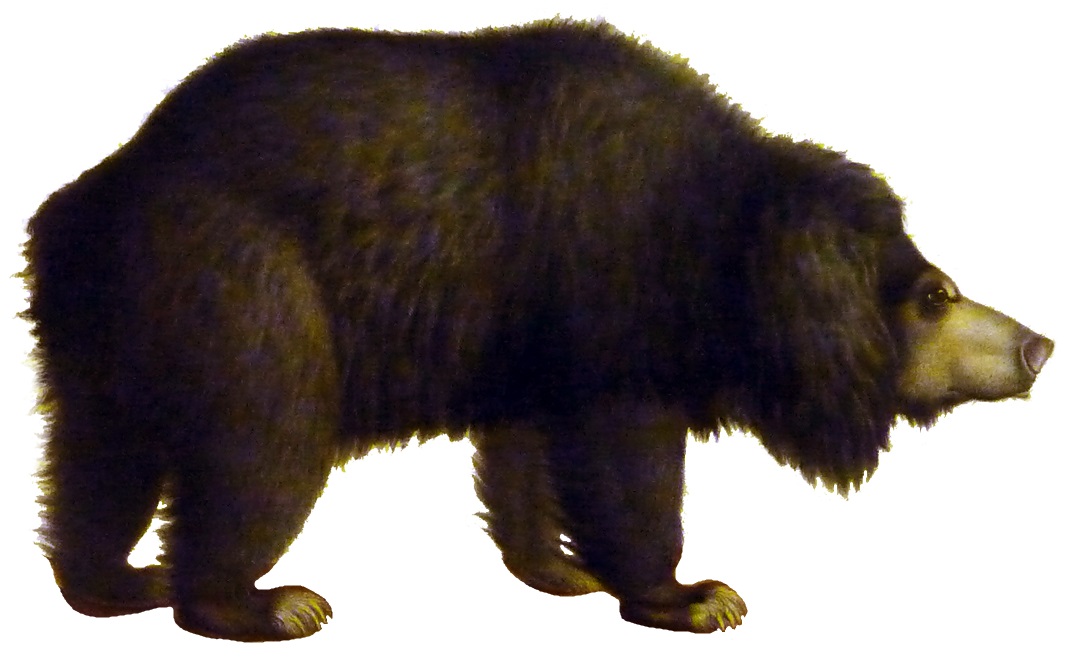
Sloth bears are medium-sized with a distinctive mane of long hair around the face and neck, and often a pale, Y- or V-shaped mark on the chest. Key features include a long snout, protrusible lips and a gap between the front teeth that helps them suck up termites and ants. Their large, curved claws are adapted for digging into termite mounds and for climbing.
Behavior and diet
They are primarily insectivorous, feeding extensively on termites and ants, but also eat fruits, honey and occasionally small vertebrates. Sloth bears use powerful forelimbs and claws to tear open nests, then use their lips and tongue to vacuum up insects. They are mostly nocturnal in areas with human disturbance and may be more diurnal in undisturbed habitat.
Range and habitat
Sloth bears occur across parts of South Asia, including India, Bangladesh and Sri Lanka, and extend into neighboring regions. They occupy a variety of habitats such as dry and moist forests, grasslands and scrub, preferring areas with good termite or ant populations and shelter for cub rearing.
Conservation and threats
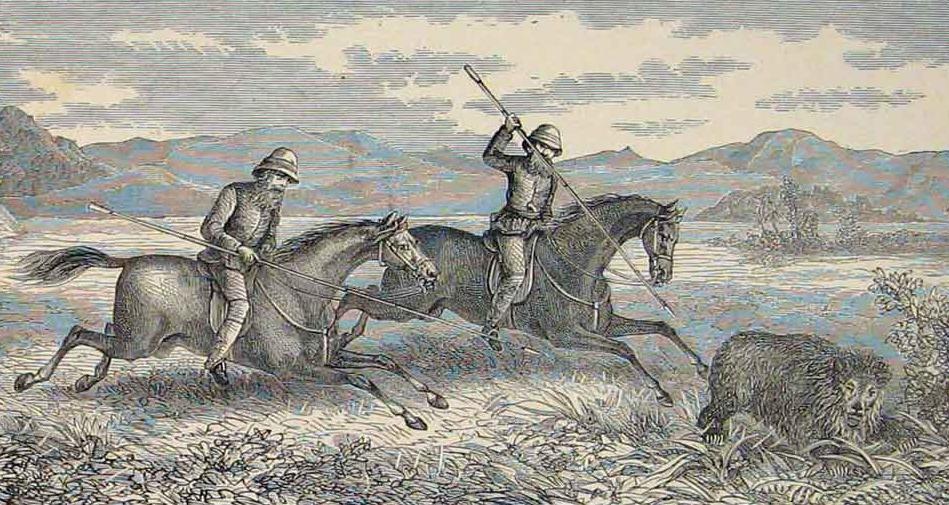
The species faces habitat loss, fragmentation and direct conflict with people. Historically, many sloth bears were captured for use as "dancing bears," a practice now illegal and largely ended through conservation efforts. The sloth bear is recognized on conservation lists and benefits from protected areas, conflict-mitigation programs and rescue-and-rehabilitation initiatives.
Notable facts
- Specialized feeding anatomy: their lips and palate enable efficient suction of insects.
- Mother bears are solitary and raise cubs alone, defending them vigorously.
- They can be unpredictable when surprised, and human-bear encounters have led to both bear and human casualties.
For more general information on bears and related conservation topics, see resources linked above and specialist literature from wildlife organizations. Further reading and regional conservation pages provide updates on status and protective measures.
Related articles
Author
AlegsaOnline.com Sloth bear (Melursus ursinus) Leandro Alegsa
URL: https://en.alegsaonline.com/art/91137