
Skagit River
Transboundary river flowing from British Columbia into Washington State, known for Ross Lake, significant salmon runs, dam reservoirs, the Skagit Valley agricultural plain and important conservation efforts.
Overview
The Skagit River is a transboundary waterway that flows from British Columbia in Canada into the United States. The river travels roughly 120 miles (about 190 km) before reaching the sea and drains a varied mountain-to-coast landscape. Its lower reaches empty into the Salish Sea system north of Seattle, connecting ultimately to the Pacific Ocean.
Image gallery
9 Images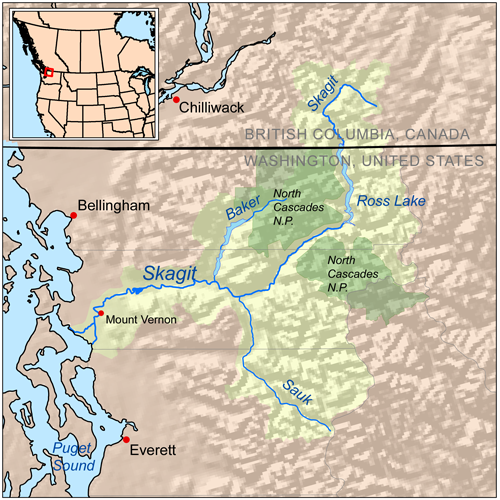




Course and major features
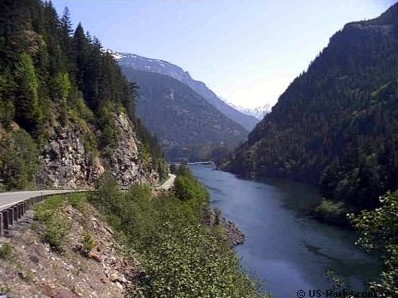
The Skagit begins high in the North Cascades and flows generally south and west through steep canyons, broad valleys and coastal wetlands. Within North Cascades National Park and adjacent federal lands, the river is impounded by Ross Dam, which creates Ross Lake and a chain of reservoirs. Downstream reservoirs and hydroelectric facilities have modified flows and created notable scenic lakes and gorges.
Ecology and importance
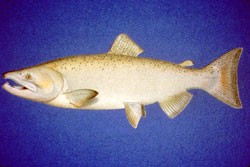
The Skagit supports important anadromous fish populations, including several Pacific salmon species and steelhead, which use the river and its tributaries for spawning. Its delta and tidal marshes form critical habitat for waterfowl, shorebirds and resident species. The floodplain of the Skagit Valley is also a key agricultural area with fertile soils maintained by seasonal river dynamics.
Human use, management and history
Indigenous peoples have long relied on the river for fish and transport; place names and cultural connections reflect that history. Since the 20th century the river has been managed for hydroelectric power, flood control and irrigation, prompting cooperative planning among local communities, utilities and authorities across the international boundary. Restoration and conservation projects aim to balance energy, agriculture and habitat needs.
Recreation and notable facts
- Recreational activities: fishing, boating, hiking and wildlife viewing in mountain and valley sections.
- Scenic reservoirs such as Ross Lake attract visitors for paddling and backcountry access.
- The Skagit Valley hosts seasonal agricultural events and is noted for wintering raptors and waterfowl.
Because it links alpine environments to coastal ecosystems and crosses an international border, the Skagit River illustrates the complexity of managing natural resources that serve ecological, cultural and economic roles simultaneously.
Related articles
Author
AlegsaOnline.com Skagit River Leandro Alegsa
URL: https://en.alegsaonline.com/art/90861