
North Cascades National Park
Remote alpine park in Washington state known for rugged peaks, extensive glaciers, diverse ecosystems and backcountry recreation; established October 2, 1968 and covering about 634,000 acres.
Overview
North Cascades National Park protects a remote and rugged portion of the Cascade Range in the U.S. state of Washington. The park was established on October 2, 1968 and encompasses approximately 634,000 acres. It is managed as part of a larger National Park Service complex and is widely valued for its dramatic mountains, extensive glaciation and largely roadless landscapes. For official information see the park's main page: North Cascades official site.
Image gallery
10 Images




Geography and geology
The park occupies a segment of the northern Cascades, a region of steep peaks, deep glacial valleys and hundreds of alpine lakes formed by repeated glaciation. Much of the terrain consists of fractured metamorphic and igneous rocks uplifted by tectonic forces and sculpted by ice. This portion of the Cascade Range preserves a complex mosaic of ridges and basins characteristic of the North Cascades subrange.
Ecology and wildlife
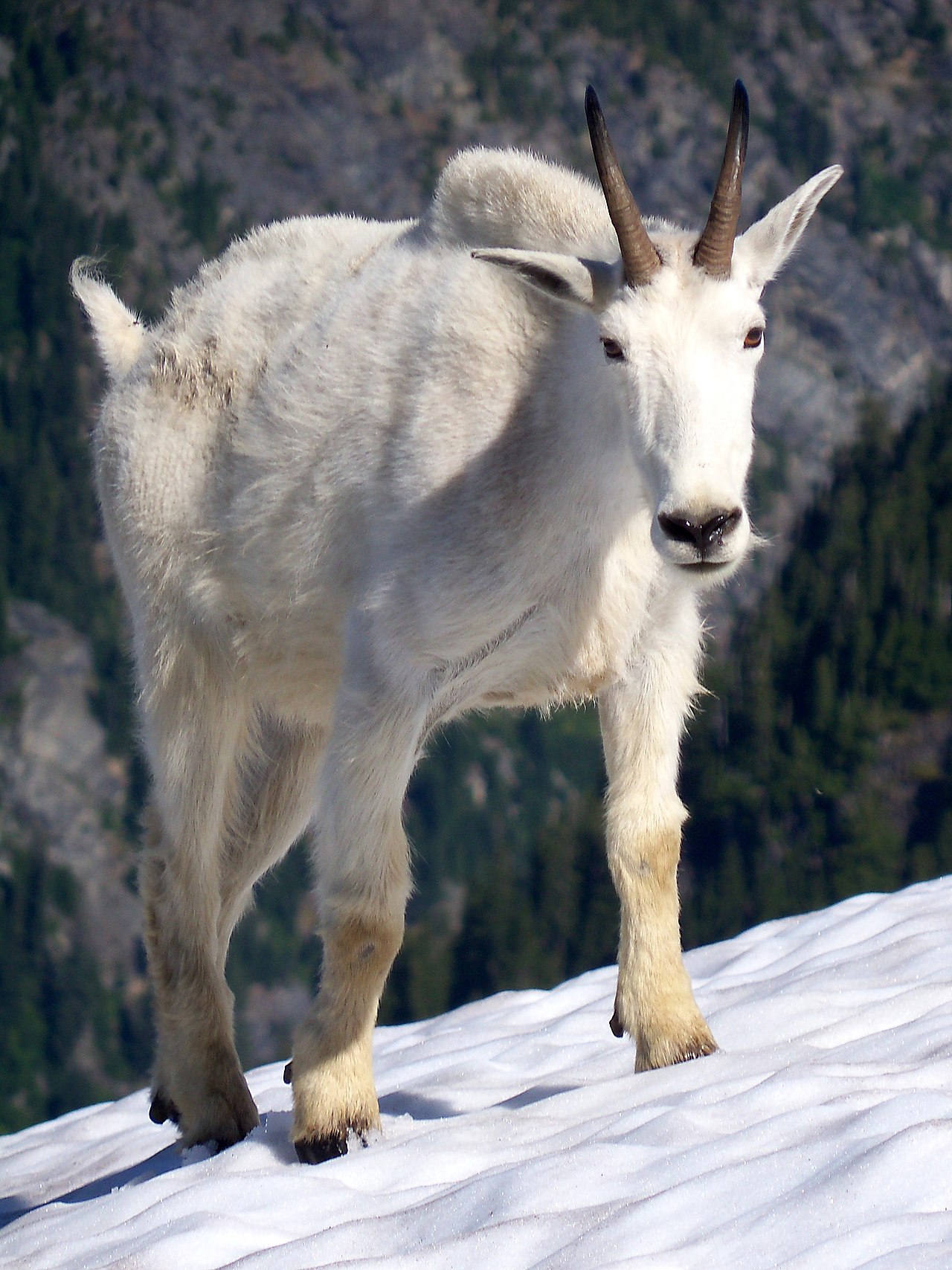
Elevations range from low river valleys to high alpine passes, producing diverse habitats from dense coniferous forests to meadows and permanent snowfields. The park supports a variety of wildlife including black bears, mountain goats, deer and numerous bird species. It also contains a dense concentration of glaciers compared with other areas in the contiguous United States, which influence streamflow and alpine ecosystems.
History and management
The lands within the park have long been the home and resource area for Indigenous peoples. In the 19th and 20th centuries the region saw exploration, mining and logging before conservation efforts led to federal protection in 1968. Today the area is managed for wilderness character, scientific study and low-density recreation; much of it remains designated as wilderness within the park complex.
Recreation and access
Popular activities are hiking, backpacking, mountaineering, wildlife viewing, fishing and boating on park lakes and rivers. Access is limited by the park's ruggedness and sparse road network; State Route 20 (North Cascades Highway) provides one of the main approaches through the mountains. For trip planning and permits consult park resources and regional guides: Washington state recreation info and the park's visitor pages at establishment and history.
Notable facts
- The park's large tracts of intact wilderness contribute to regional biodiversity and watershed protection.
- It forms part of a broader protected area network that includes national recreation areas and wilderness lands; see related management pages: park acreage and boundaries.
- Research on glaciers, ecology and climate change is ongoing and contributes to understanding of mountain environments.
Related articles
Author
AlegsaOnline.com North Cascades National Park Leandro Alegsa
URL: https://en.alegsaonline.com/art/70842