
Skåne (Scania): Southern Sweden — geography, history and culture
Skåne (Scania) is the southernmost historical province of Sweden. Fertile plains, coastal towns, strong Danish connections and the Öresund link shape its history, economy and culture.
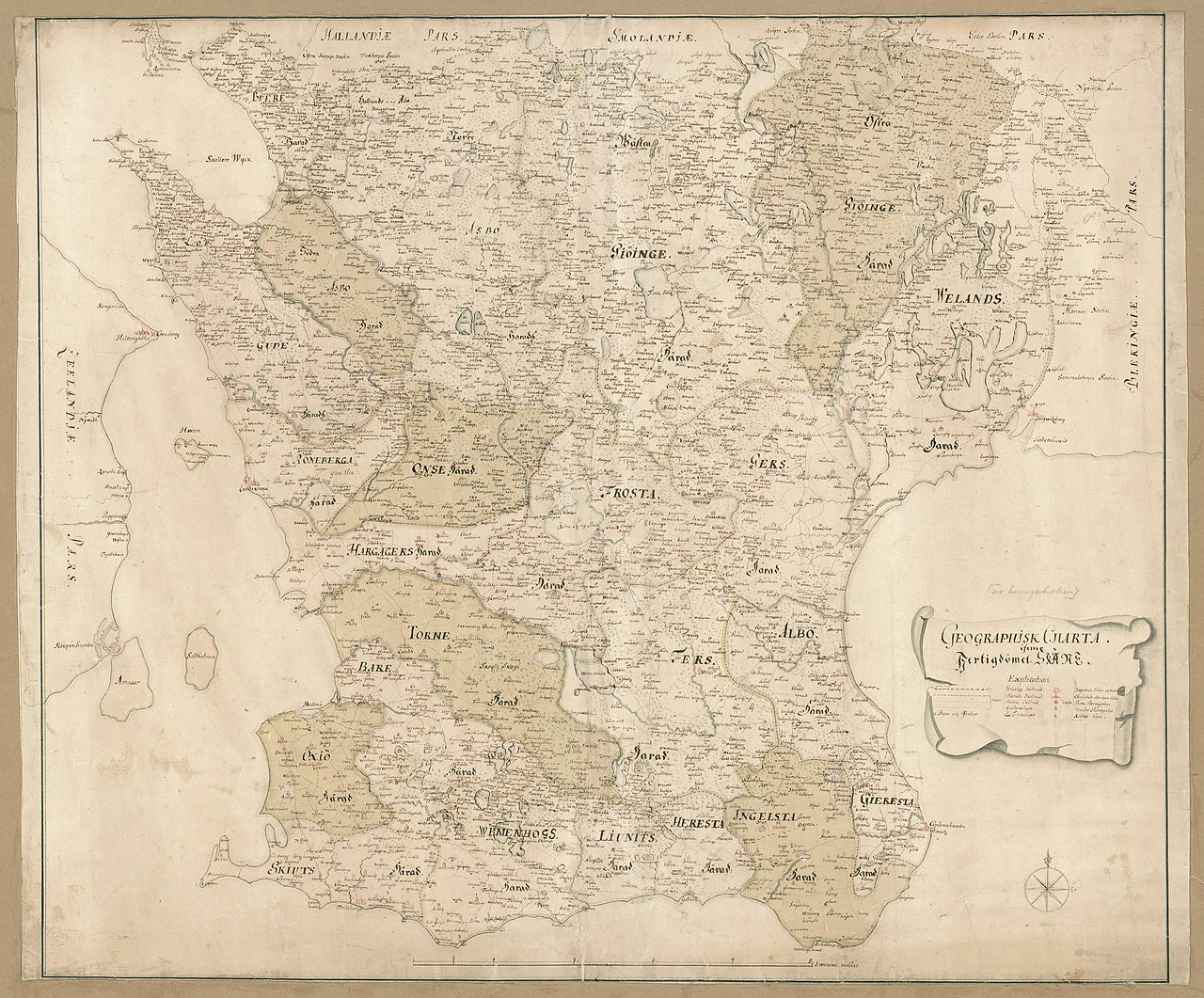
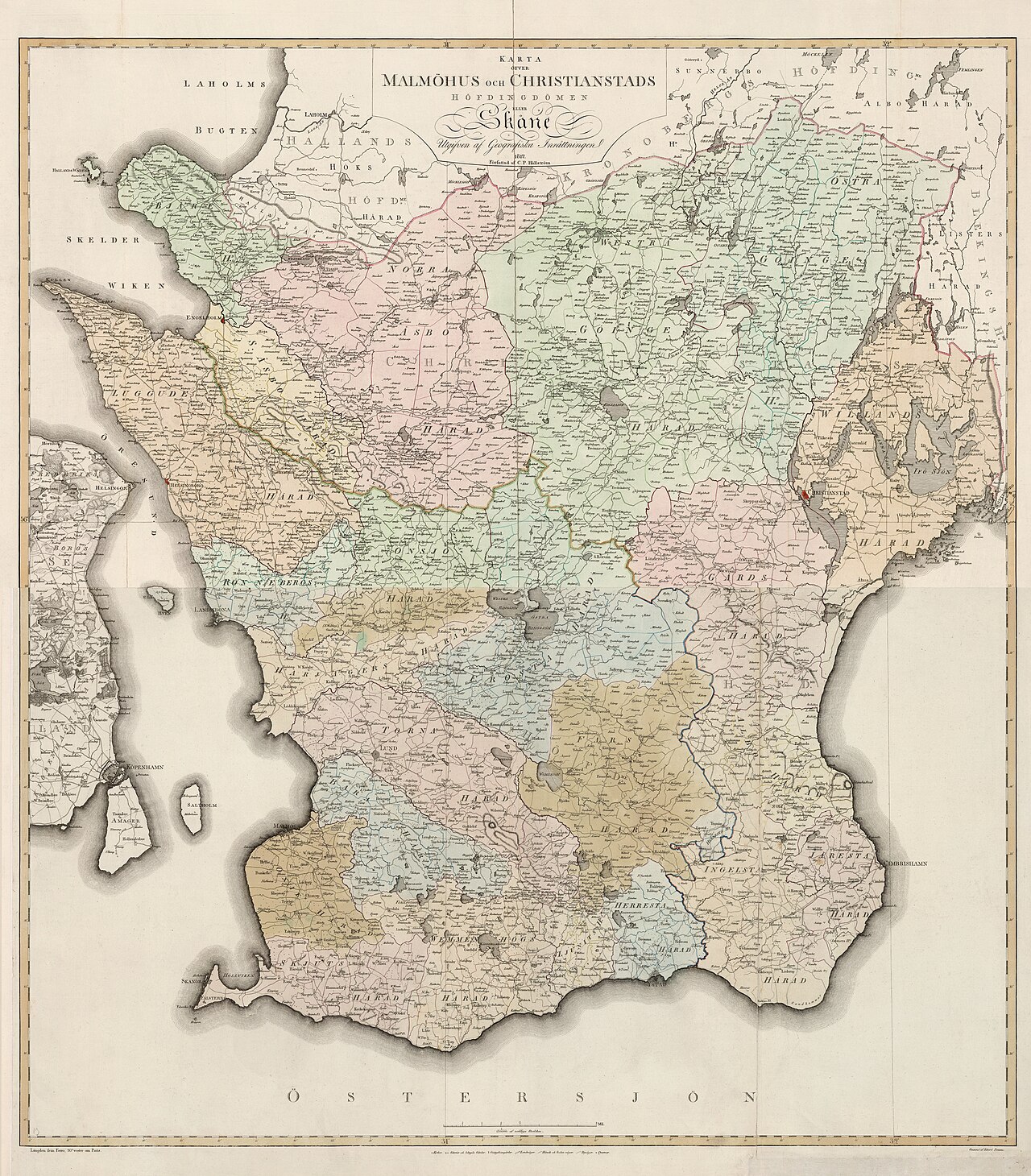
Skåne, often called Scania in English, is the southernmost historical province of Sweden. The name denotes both a cultural landscape and a traditional province with a distinct identity inside the modern Swedish state. Its position at the entrance to the Baltic Sea and across the Öresund from Copenhagen has made it important for trade, migration and cross‑border ties.
Image gallery
10 Images






Geography and landscape
The region is characterised by broad, fertile plains, sandy coasts, and a varied shoreline with bays and smaller archipelagos. Its soils support mixed farming and horticulture more intensively than much of northern Sweden. Rolling farmland gives way to beech woods and marshes in places, while exposed cliffs and sandy beaches mark the western and southern coasts.
Major towns and institutions
- Malmö — the region's largest city and a commercial hub connected to Copenhagen via the Öresund Bridge.
- Lund — known for Lund University, one of northern Europe's older universities and a centre for research and culture.
- Helsingborg, Kristianstad, Ystad — important ports and market towns with long histories.
History and identity
Skåne was historically part of the Danish realm and its cultural links to Denmark remain visible in dialects, place names and architecture. The province was ceded to Sweden in the 17th century by treaty, an event that reshaped its administration but not all local traditions. It is often treated as part of the older region known as Skåneland.
Economy, transport and modern administration
Today Skåne is a dynamic economic area combining agriculture, industry, services and knowledge sectors. The Öresund Bridge, completed around the turn of the 21st century, created a continuous labour market with Denmark and increased commuting and collaboration across the strait. Administratively most of the province now lies within Skåne County, a modern unit that brings together several historical districts.
Culture, cuisine and notable facts
Local culture blends rural traditions with urban influences. Scanian dialects and folk customs reflect northern Germanic and Danish influences. Regional cuisine highlights local produce, fish and breads. Visitors find medieval churches, coastal forts, well‑preserved market towns and numerous archaeological sites. For an overview of the province as a traditional unit see the province entry, and for its earlier connection to Denmark consult historical summaries at sources on Danish history.
Related articles
Author
AlegsaOnline.com Skåne (Scania): Southern Sweden — geography, history and culture Leandro Alegsa
URL: https://en.alegsaonline.com/art/90867
Sources
- scb.se : "Statistics Sweden"
- scb.se : scb.se