
Sixpence (British coin)
A former British small silver and later cupronickel coin worth six old pence (half‑shilling). First struck in the mid‑16th century, decimalised to 2½ new pence in 1971 and withdrawn in 1980.
The sixpence, commonly called a "tanner" or a half‑shilling in everyday speech, was a small denomination coin of the United Kingdom and earlier English coinage. It had a face value of six old pence (written 6d), which made it half of a shilling and one‑twentieth of a pound under the pre‑decimal system. Though production ceased in 1970, the coin continued to circulate after decimalisation on 15 February 1971 as a piece worth 2½ new pence until it was formally withdrawn in 1980. For general reference see sixpence overview.
Image gallery
10 Images


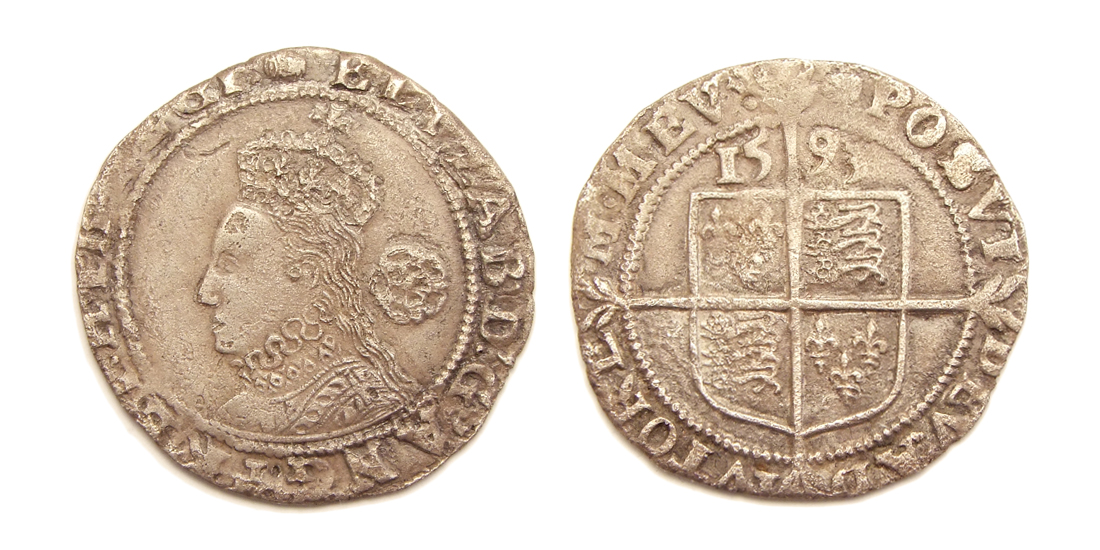
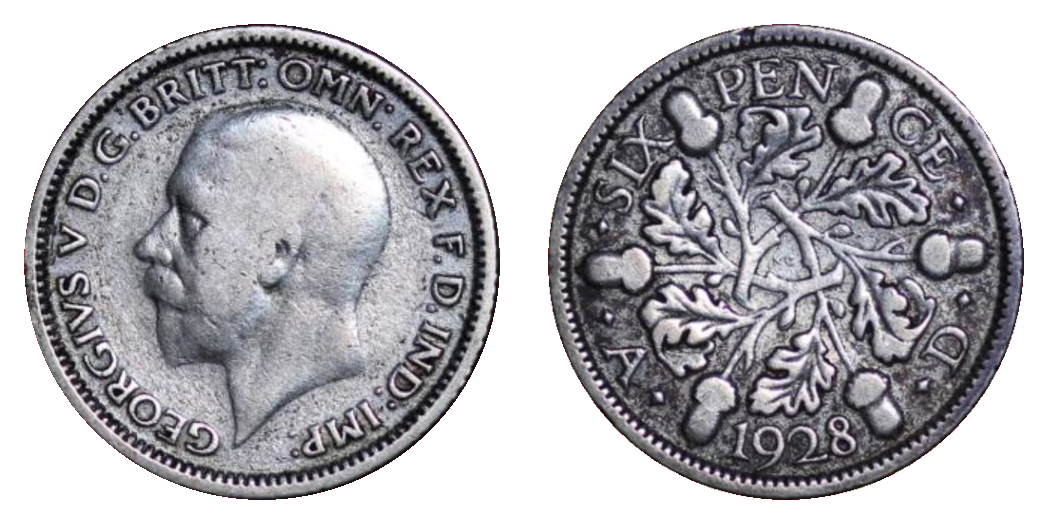


Design and composition
Obverses typically showed the reigning monarch's portrait while reverses displayed a variety of motifs—from crowns and wreaths to national emblems—reflecting the artistic styles of different periods. The sixpence began life as a silver coin; its silver content was reduced in the early 20th century and in 1947 the metal was changed to cupronickel. Variations in portrait legend, mint marks and reverse designs make individual issues of interest to collectors and historians. More about design changes is available at design history and composition is discussed at metal composition.
History and development
The denomination was introduced in the mid‑16th century during the reign of Edward VI and remained an important part of British coinage through several monetary reforms and political changes. It circulated alongside other denominations in the pounds‑shillings‑pence system until decimalisation reorganised British currency in 1971. Specialist collectors study earlier strikes, patterns and proofs produced across different reigns; for historical minting information consult mint records and period studies at coin archives.
Cultural significance and uses
Beyond its monetary role the sixpence has a place in British culture. A silver sixpence traditionally was placed in a bride's shoe as a good‑luck charm, and the coin appears in nursery rhymes, idioms and period literature as a symbol of modest value. Surviving pieces are often incorporated into jewellery or preserved as family heirlooms. Collectors prize particular years and monarchs, and museums exhibit representative examples; see cultural uses and collecting tips for introductory guidance.
Notable facts and timeline
- Introduced: mid‑16th century (reign of Edward VI). See origins.
- Material changes: originally silver; silver content reduced in the early 1900s; replaced by cupronickel from 1947. See composition.
- Decimalisation: revalued as 2½ new pence on 15 February 1971. For legal and practical details see decimal change.
- Last minted: 1970; withdrawn from circulation in 1980.
The sixpence thus bridges Tudor‑era coinage and modern British monetary history: a small coin by value but large in social and numismatic resonance. For further reading and specific issue catalogues consult the linked resources above.
Questions and answers
Q: What is a sixpence?
A: A sixpence was a British coin worth 6 pennies or 2 1/2 new pence.
Q: When was the sixpence first minted in silver?
A: The sixpence was first minted in silver during the reign of Edward VI of England.
Q: What material was used to make the sixpence from 1947?
A: From 1947, the sixpence was made from cupronickel.
Q: When did decimalisation take place in the UK?
A: Decimalisation took place on 15 February 1971 in the UK.
Q: What was the value of a sixpence after decimalisation?
A: After decimalisation, the sixpence remained in circulation with a value of 2 1/2 new pence.
Q: When was the sixpence taken out of circulation?
A: The sixpence was taken out of circulation in 1980.
Q: Is the sixpence still produced today?
A: No, the sixpence has not been produced since 1970.
Related articles
Author
AlegsaOnline.com Sixpence (British coin) Leandro Alegsa
URL: https://en.alegsaonline.com/art/90839
Sources
- cambridgeshirecoins.com : "Sixpences"
- dictionary.com : "sixpence"
- dicamillocompanion.com : "British Money"