
Penny (coin)
A penny is a low-value coin used in several English-speaking countries. This article covers its etymology, design, history, national varieties, circulation issues and cultural role.
Overview
A penny is a small-denomination coin used in several countries where English is commonly spoken. The word describes both the physical coin and, in some usages, the monetary amount. In the United Kingdom the plural for amounts is usually "pence," while in North America individual pieces are often called "pennies." The term applies to coins in nations such as the United Kingdom, the United States and, historically, Canada. In many systems a penny equals one cent, the hundredth part of the principal currency unit.
Image gallery
10 Images

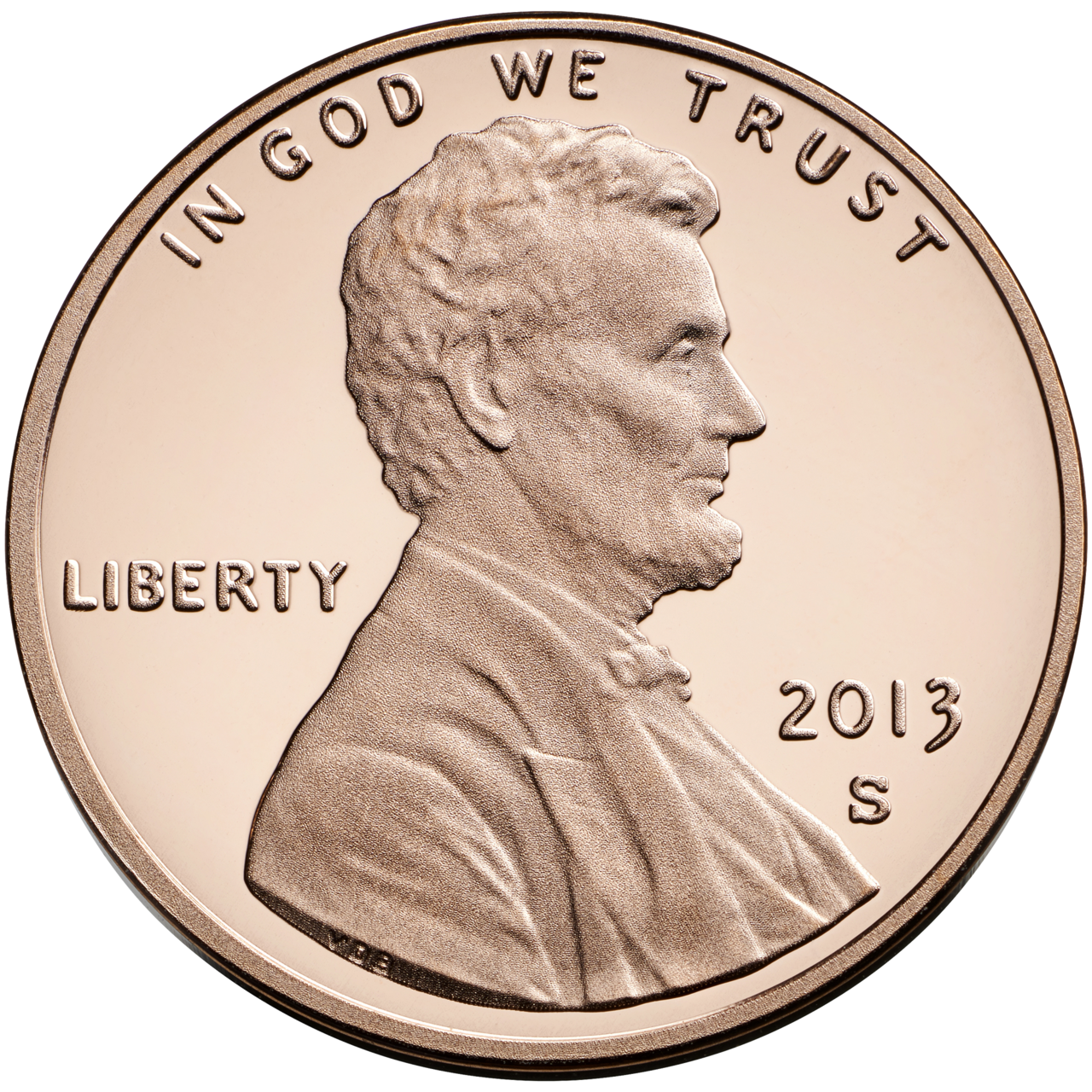


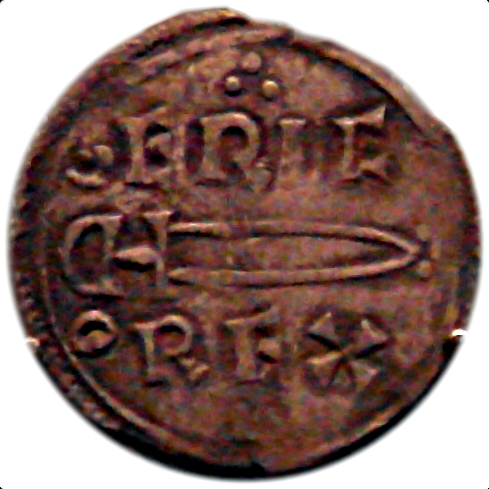
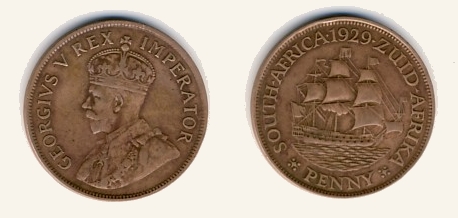
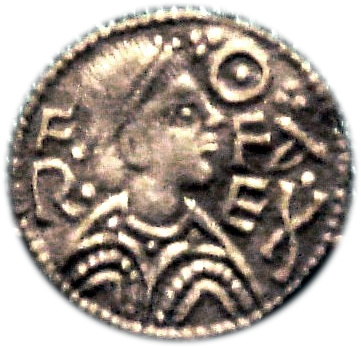
Etymology
The English word "penny" derives from Old English and related Germanic languages where similar terms denoted small coins. Over centuries the name persisted even as weight, metal content and purchasing power changed. The medieval penny gave its name to many later denominations and accounting practices in Britain and territories influenced by British coinage.
Design and composition
Pennies are typically small, round metal discs. Designs vary by country and period: obverse motifs often feature national leaders or symbolic figures, while reverses show heraldic or thematic imagery. Edge treatment (plain, milled or decorated) and metal composition have changed as metals and minting technology evolved. Modern pennies frequently use copper plating over a cheaper core to achieve a copper appearance while reducing cost; collectors discriminate by date, mintmark and variety. For general context on struck metal currency see reference pages about the coin.
History and decimalisation
National histories differ. In the United Kingdom a modern decimal penny (1p) was created when sterling was decimalised in 1971, replacing the older pre-decimal penny. In the United States the Lincoln cent, introduced in 1909, replaced earlier large-cents and established a long-running portrait tradition. Canada issued one-cent coins until the government stopped minting them in 2012 for cost reasons; the name "penny" remains in everyday speech.
Circulation, usage and debate
Pennies are used for making exact change, pricing, small payments and informal collections. In recent decades many countries have debated whether to retain very low-denomination coins because production, handling and cash-transaction costs can exceed their face value. Those arguments have led some governments to remove or consider removing pennies from active circulation or to round cash transactions. Public sentiment, charitable collections and cultural attachment influence policy decisions.
Collecting and cultural role
Although low in face value, pennies attract interest from collectors and the public. Scarce dates, mint errors, special issues and older compositions can be worth substantially more than face value to numismatists. Pennies also appear in idioms, fund-raising traditions and everyday metaphors, illustrating how a small object can carry broad cultural meaning in English-speaking contexts.
National examples and notable differences
- United Kingdom: the decimal penny (1p) is part of modern sterling coinage and is commonly counted in "pence" amounts; local designs and occasional commemorative issues appear on circulating coins (UK).
- United States: the one-cent coin, commonly called the "penny," has featured Abraham Lincoln since 1909; it functions as the lowest denomination of the US dollar (US).
- Canada: the one-cent coin was withdrawn from production in 2012 and removed from circulation practices, though cash rounding and the informal term "penny" persist (Canada).
For readers seeking basic definitions and comparisons, consult introductory materials on currency units and the history of modern coinage, including general references to coins and the role of the cent in decimal currency systems. Additional national or historical details are available from mint authorities and numismatic guides (English-speaking contexts).
Related articles
Author
AlegsaOnline.com Penny (coin) Leandro Alegsa
URL: https://en.alegsaonline.com/art/75609
Sources
- straightdope.com : "What's the origin of "a penny for your thoughts"?"
- bbc.co.uk : "THE GOLDEN AGE OF RAILWAY REVISITED"