
Song dynasty (960–1279): politics, culture and innovation
Chinese dynasty from 960 to 1279 that reunified much of China, advanced technology, commerce and arts, and divided into Northern and Southern periods before falling to the Mongols.
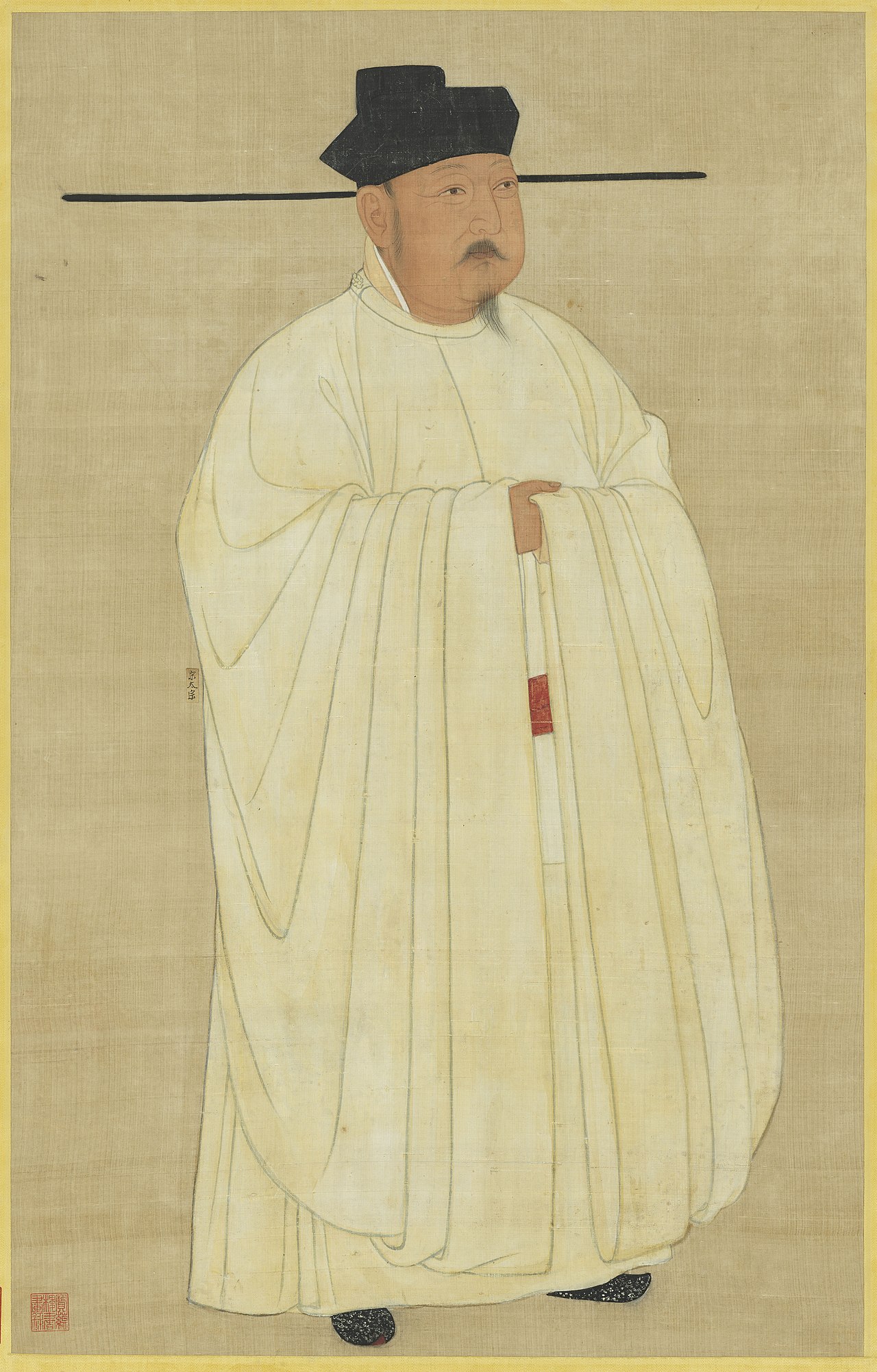
The Song dynasty governed much of what is now China between 960 and 1279. Founded when Emperor Taizu of Song seized power and ended the chaotic Five Dynasties and Ten Kingdoms period, the dynasty is remembered for its administrative reforms, commercial expansion, and cultural achievements. Song rule is conventionally divided into two phases: the Northern Song and the Southern Song.
Image gallery
10 Images




Political history
The Northern Song (960–1127) established a central capital at Kaifeng and reunited large parts of the Chinese heartland under a civilian bureaucracy. In the early 12th century the dynasty lost northern territories to the Jurchen Jin dynasty; the capture of the capital and imperial court in 1127 marked a decisive break. The surviving Song court retreated south and reestablished itself as the Southern Song (1127–1279), based at Hangzhou (then called Lin'an). The Southern Song maintained a prosperous, land- and sea-based economy until it was finally overrun by the Mongols, whose conquests created the Yuan dynasty.
Economy, society and technology
Song China saw rapid urbanization and commercial growth. Markets, long-distance trade, and craft industries expanded; the government began issuing widely used paper money. Technological and scientific advances included more sophisticated printing methods, developments in gunpowder weapons, and improved compass navigation. The period produced notable achievements in agriculture, shipbuilding and mechanical engineering that influenced neighboring regions.
Government, scholarship and the arts
The Song state emphasized a meritocratic civil service staffed by scholar-officials selected through competitive examinations. This produced a literate elite that fostered major developments in philosophy, notably the rise of Neo-Confucian thought, as well as flourishing literature, painting, and fine ceramic production. Painting and poetry from the Song are regarded as high points of Chinese art.
Military challenges and adaptations
Although administratively strong, the Song faced persistent military pressure from northern steppe peoples and neighboring states. Its armies and defensive strategies adapted by developing a powerful navy, experimenting with gunpowder weapons, and relying at times on diplomacy and tribute to manage frontier threats. Limitations in cavalry strength and the costs of defense shaped many political choices.
Legacy
The Song era left a lasting legacy in urban life, economic organization, technology, and intellectual culture. Its innovations in printing, finance and navigation helped set the stage for later global exchanges, while its art and philosophy deeply influenced subsequent Chinese dynasties and East Asian civilization. For maps, historical overviews and specialized studies, see additional resources: maps and context, regional history, Mongol conquests.
- Dates: 960–1279
- Main periods: Northern Song, Southern Song
- Notable features: urbanization, paper money, printing, Neo-Confucianism
Questions and answers
Q: Who started the Song dynasty in China?
A: Emperor Taizu of Song started the Song dynasty in China.
Q: What did Emperor Taizu of Song do to start the Song dynasty?
A: Emperor Taizu of Song forced the state of Later Zhou out of power before reuniting China.
Q: What did the Song dynasty put an end to?
A: The Song dynasty ended the Five Dynasties and Ten Kingdoms period.
Q: How many periods of Song dynasty history are there?
A: There are two periods of Song dynasty history: Northern Song and Southern Song.
Q: Which period of Song dynasty history lasted from 960 to 1127 and controlled most of China?
A: The Northern Song period of Song dynasty history lasted from 960 to 1127 and controlled most of China.
Q: When was the Southern Song period of Song dynasty history formed?
A: The Southern Song period of Song dynasty history was formed after Northern Song had lost control of North China to the Jin dynasty.
Q: Who conquered the Southern Song period of Song dynasty history?
A: The Southern Song period of Song dynasty history was conquered by the Mongols.
Related articles
Author
AlegsaOnline.com Song dynasty (960–1279): politics, culture and innovation Leandro Alegsa
URL: https://en.alegsaonline.com/art/91818