
Simian (Simiiformes): the higher primates — monkeys, apes and humans
Simians (infraorder Simiiformes) are the higher primates: Old World and New World monkeys and apes (including humans). This entry covers traits, classification, evolution, distribution and notable distinctions.
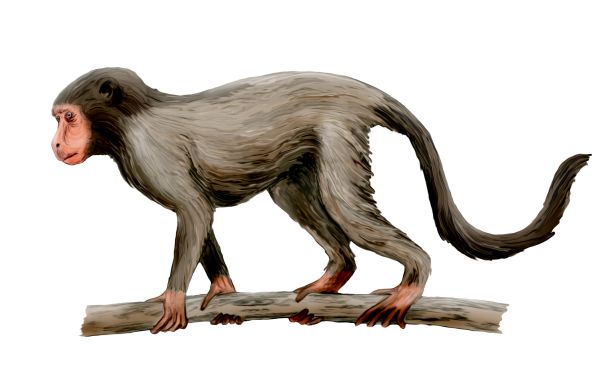
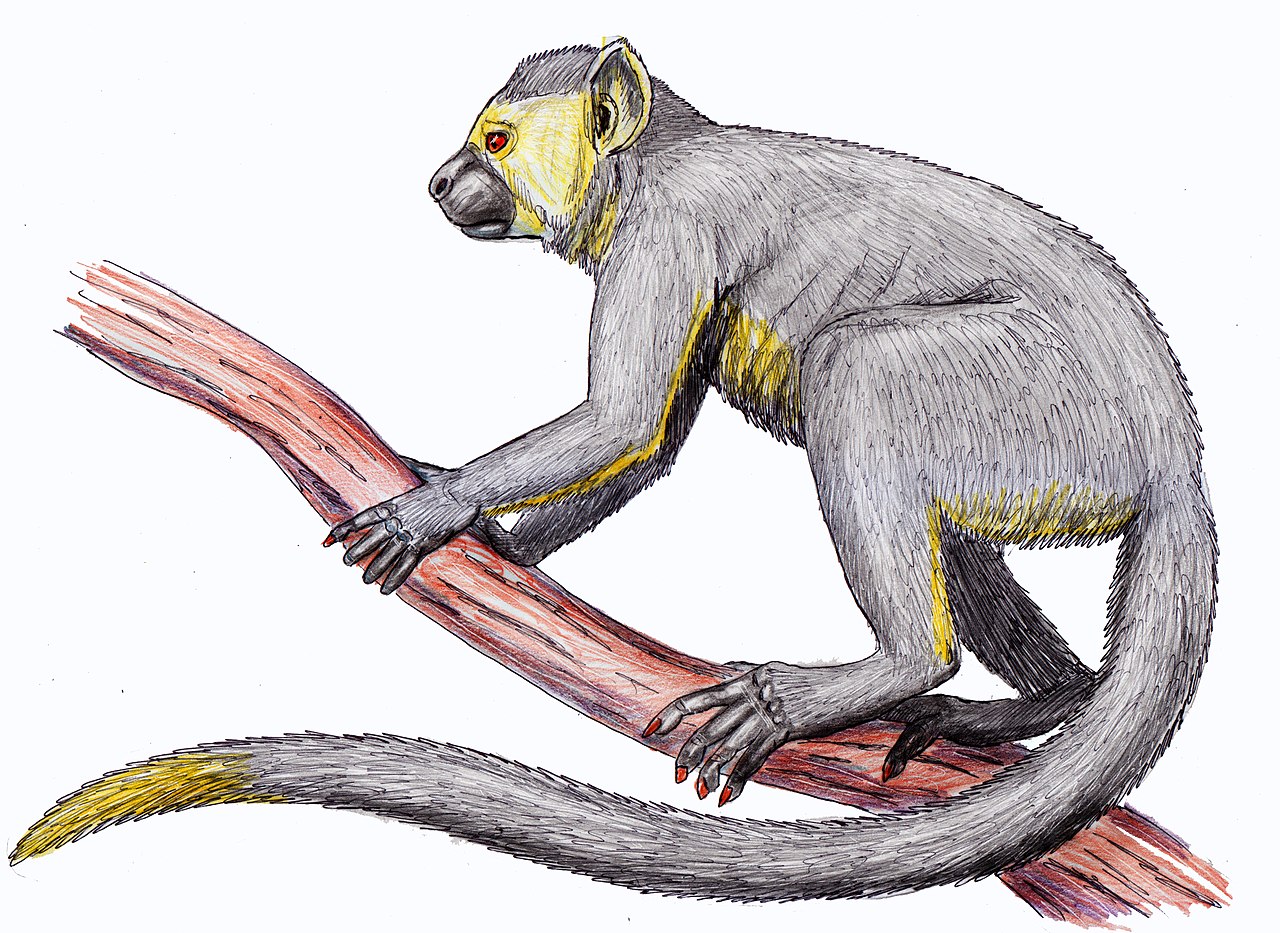
The simians, formally the infraorder Simiiformes and commonly called the "higher primates," comprise the monkeys and apes that most people recognize: New World monkeys, Old World monkeys and apes — including humans. Simians are distinguished from the more basal primates (the prosimians) by a suite of anatomical and behavioral features associated with increased reliance on vision and more complex social lives. Familiar groups include Old World monkeys, a range of cercopithecids and related forms, and the apes represented by lesser and great apes (apes) and, of course, humans.
Image gallery
9 Images




Key characteristics
Simians generally have forward-facing eyes that enable stereoscopic vision, larger relative brain size than prosimians, and reduced olfactory regions. Digit tips typically bear flattened nails instead of claws, and many species show sensitive tactile pads. Skull and dental anatomy also differ: many New World monkeys retain three premolars per quadrant while Old World monkeys and apes have two, reflecting the two main radiations within the infraorder. Limb proportions and locomotor styles are diverse — from fully arboreal leaping and brachiation to terrestrial quadrupedalism — but the underlying skeletal and muscular arrangements show common simian patterns.
Classification and evolutionary history
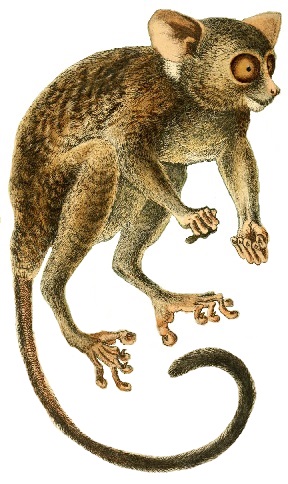
Simiiformes form one branch of the haplorhine primates, the other being the tarsiers (tarsiers). Molecular and fossil evidence indicate that the haplorhine radiation began during the early Cenozoic, roughly 50–70 million years ago, with simians diversifying soon afterward. Broadly, simians split into two parvorders: the Platyrrhini or New World monkeys, which colonized South America, and the Catarrhini, which include Old World monkeys and apes. The transoceanic dispersal that brought ancestral platyrrhines to South America is thought to have occurred tens of millions of years ago by a route that remains a subject of research.
Distribution, ecology and examples
Modern simians occupy tropical and subtropical regions of Africa, Asia and the Americas, and have adapted to a wide range of forest and savanna habitats. New World monkeys such as capuchins, howlers and spider monkeys are primarily arboreal and show varied dietary specializations. Old World monkeys, including macaques and baboons, are often more terrestrial and occupy both forests and open landscapes. Apes range from the arboreal gibbons to the largely terrestrial great apes — chimpanzees, gorillas and orangutans — and humans, whose global distribution and cultural adaptations are unique within the group.
Behavior, cognition and importance
Simians exhibit complex social structures, communication systems and learning abilities. Many species live in multi‑individual groups with clear dominance hierarchies, cooperative behaviors and, in several cases, tool use and problem solving. Because of their anatomical and cognitive affinities with humans, simians are central to studies of primate behavior, evolution and neuroscience, and they play important roles in ecosystems as seed dispersers, predators and prey.
Distinctions and notable facts
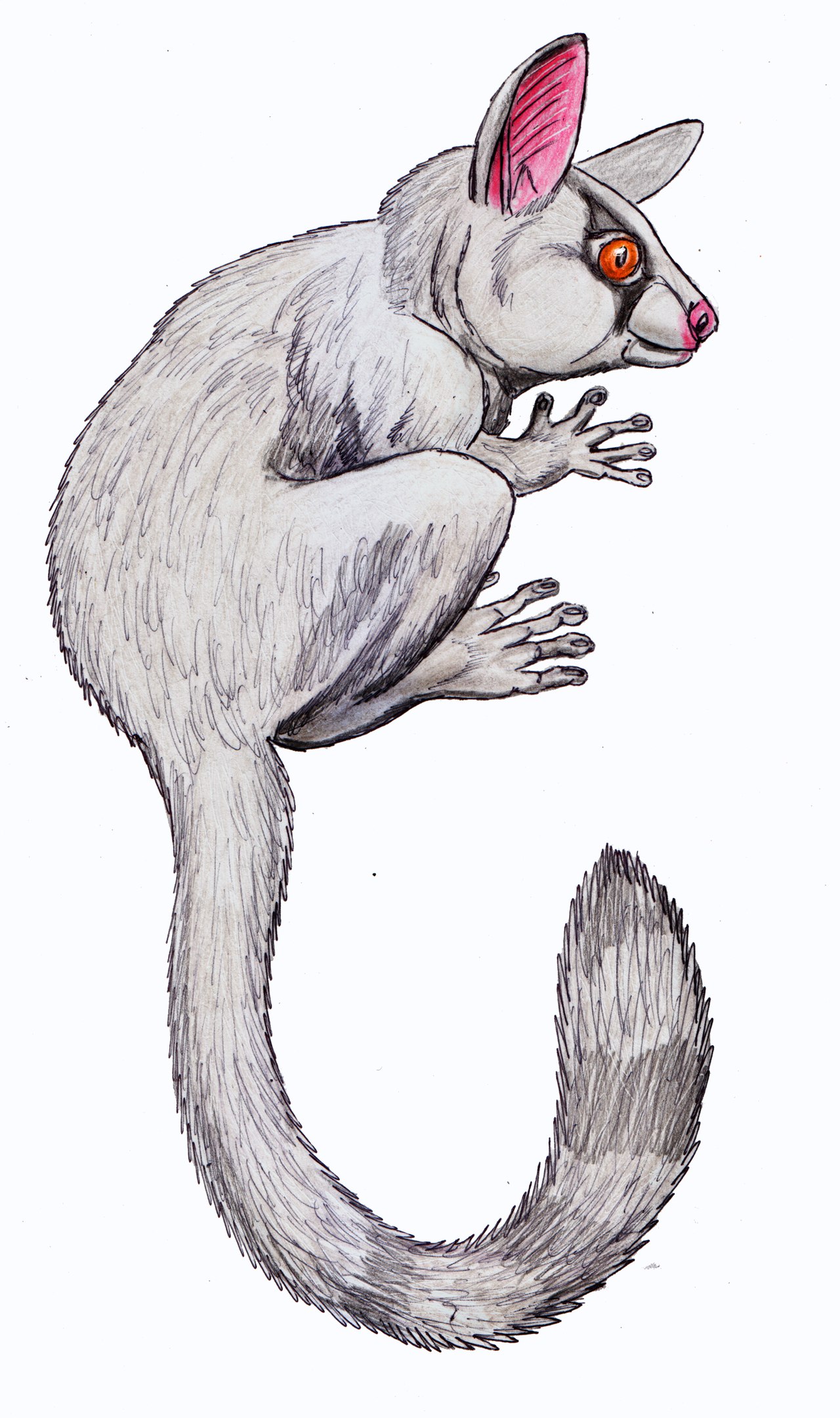
- Higher primate vs prosimian: simians are often larger and show greater visual specialization than the primates traditionally called prosimians (prosimians).
- Parvorder split: New World monkeys (New World monkeys) are platyrrhines with distinct nasal and dental traits, while catarrhines include Old World monkeys and apes (apes).
- Phylogenetic position: together with tarsiers (tarsiers) simians form the haplorhine clade, based on both anatomical and genetic data.
Because many aspects of simian origins and dispersal are reconstructed from fragmentary fossils and molecular clocks, some timelines and routes remain debated. Nevertheless, the simians present a coherent group defined by shared traits, broad ecological success and central importance for understanding primate and human evolution.
Related articles
Author
AlegsaOnline.com Simian (Simiiformes): the higher primates — monkeys, apes and humans Leandro Alegsa
URL: https://en.alegsaonline.com/art/90512