
Sinornithosaurus: a feathered dromaeosaur from the Lower Cretaceous
Small, feathered dromaeosaur first described from the Yixian Formation in China. Fossils preserve plumage and advanced the view that many theropods bore feathers, informing the dinosaur–bird transition.
Sinornithosaurus (name meaning "Chinese bird-lizard") is a genus of small dromaeosaurid theropod known from well-preserved fossils of the Lower Cretaceous. Discovered in the same fossil-rich deposits of northeastern China that preserve the Jehol Biota, Sinornithosaurus is notable for clear evidence of integumentary structures interpreted as feathers. Its anatomy places it among the group of predators related to birds rather than among large, scaly reptiles.
Image gallery
10 Images


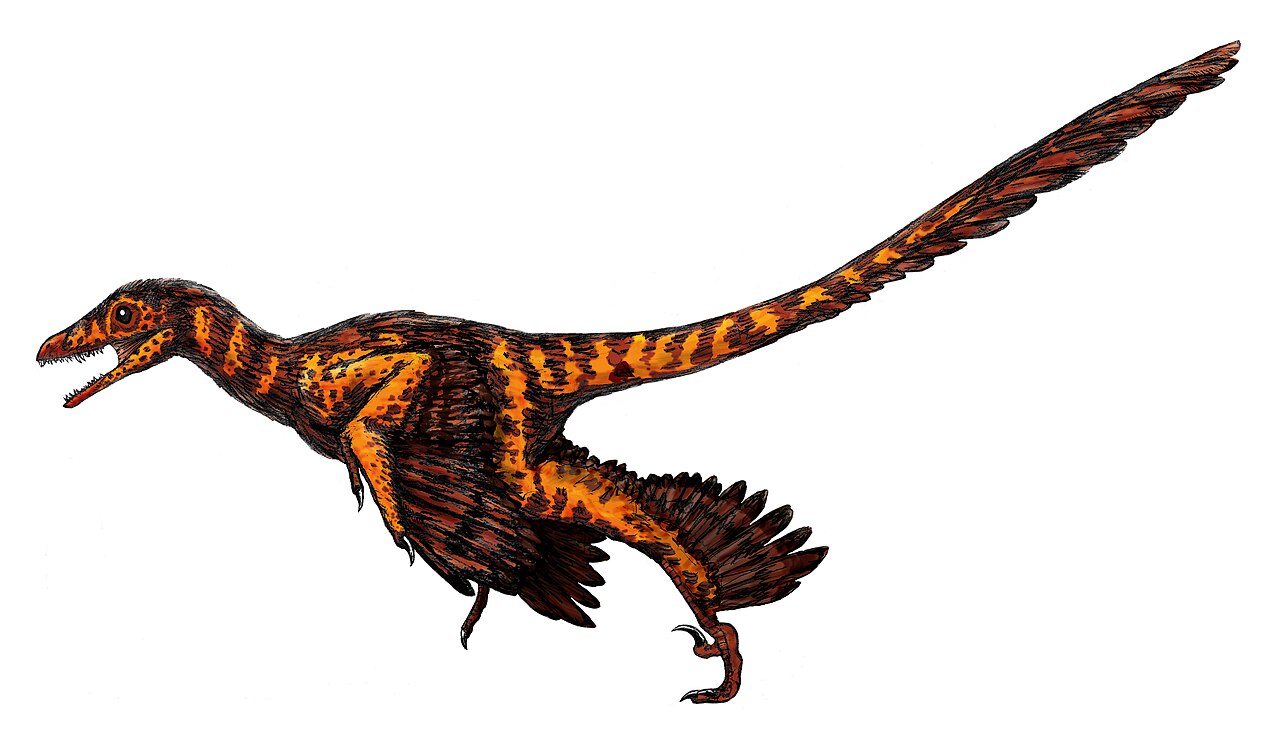


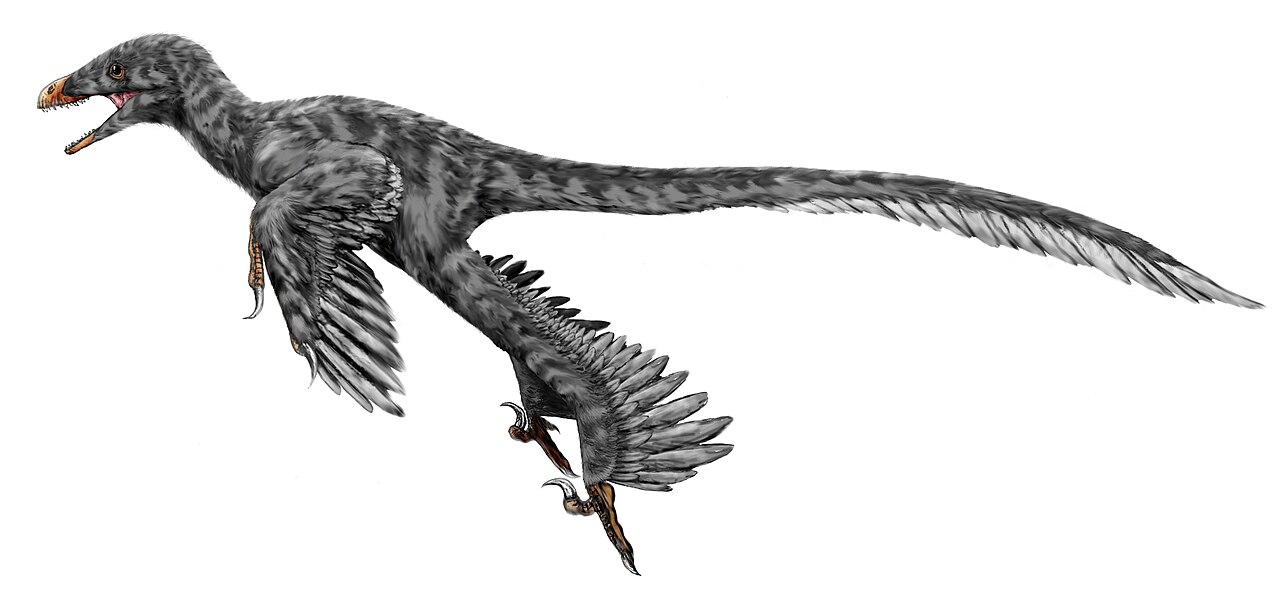


Physical characteristics
This animal was a relatively small, agile predator with many features typical of dromaeosaurs: a relatively long tail, an enlarged sickle-like claw on the second toe, and a skull bearing numerous serrated teeth. The specimens show impressions of filamentous and vane-like feathers along the body and forelimbs. These filaments varied in length and texture, suggesting a coat used primarily for insulation, display, or possibly aiding maneuverability rather than powered flight.
Discovery and geological context
Fossils of Sinornithosaurus come from the Yixian Formation in Liaoning province, a Lower Cretaceous unit famous for exceptionally preserved vertebrates, plants, and insects. This formation has yielded multiple articulated specimens with preserved soft-tissue outlines that illuminated the diversity and ecology of early Cretaceous ecosystems. The initial descriptions and subsequent specimens have been discussed in several studies and reports (original fossil report). For broader taxonomic context see classification references and for stratigraphy see Lower Cretaceous sources.
Ecology, behavior and debated features
Sinornithosaurus is interpreted as a small carnivore that likely hunted small vertebrates and invertebrates. The arrangement of feathers on the limbs and tail could have provided insulation, visual signalling, or helped with balance when leaping or climbing. Some authors have proposed unusual features such as grooved teeth that might indicate a specialized feeding mode, but such interpretations— including a controversial suggestion of venom—remain debated and are not broadly accepted without further evidence.
Scientific importance and distinctions
Specimens of Sinornithosaurus were among the key discoveries that strengthened the conclusion that many non-avian theropods bore feathers, challenging older portrayals of dinosaurs as uniformly scaly. Its combination of dromaeosaurid skeletal features with preserved feathers has become a touchstone in discussions of the dinosaur–bird transition and the early evolution of integumentary structures. Compared with larger dromaeosaurs, Sinornithosaurus shows more extensive feather preservation and a smaller, more lightly built frame.
- Notable traits: filamentous and pennaceous feather impressions, sickle-shaped pedal claw, small agile build.
- Provenance: Yixian Formation, part of the Jehol Biota (regional context).
- Further reading and debates: see technical summaries and reviews (skin and feather evidence).
Sinornithosaurus remains an important taxon in paleontology for illustrating how plumage, behavior and skeletal morphology combine in animals close to the origin of birds. Ongoing discoveries and reanalysis of specimens continue to refine its place in the tree of theropod relationships and the functional interpretation of its feathers.
Related articles
Author
AlegsaOnline.com Sinornithosaurus: a feathered dromaeosaur from the Lower Cretaceous Leandro Alegsa
URL: https://en.alegsaonline.com/art/90687