
Tarsier: small nocturnal primates of Southeast Asia
Tarsiers are small, nocturnal primates with elongated ankle bones, large eyes, and a carnivorous diet. Native to Southeast Asia, they are unique among primates in anatomy, behavior, and conservation needs.
Overview
Tarsiers are small, tree-dwelling primates native to parts of Southeast Asia. Long legs and distinctive elongated tarsal bones in their feet give them the common name "tarsier." They are primarily nocturnal hunters, specialized for leaping between vertical supports in the forest understory and canopy.
Image gallery
10 Images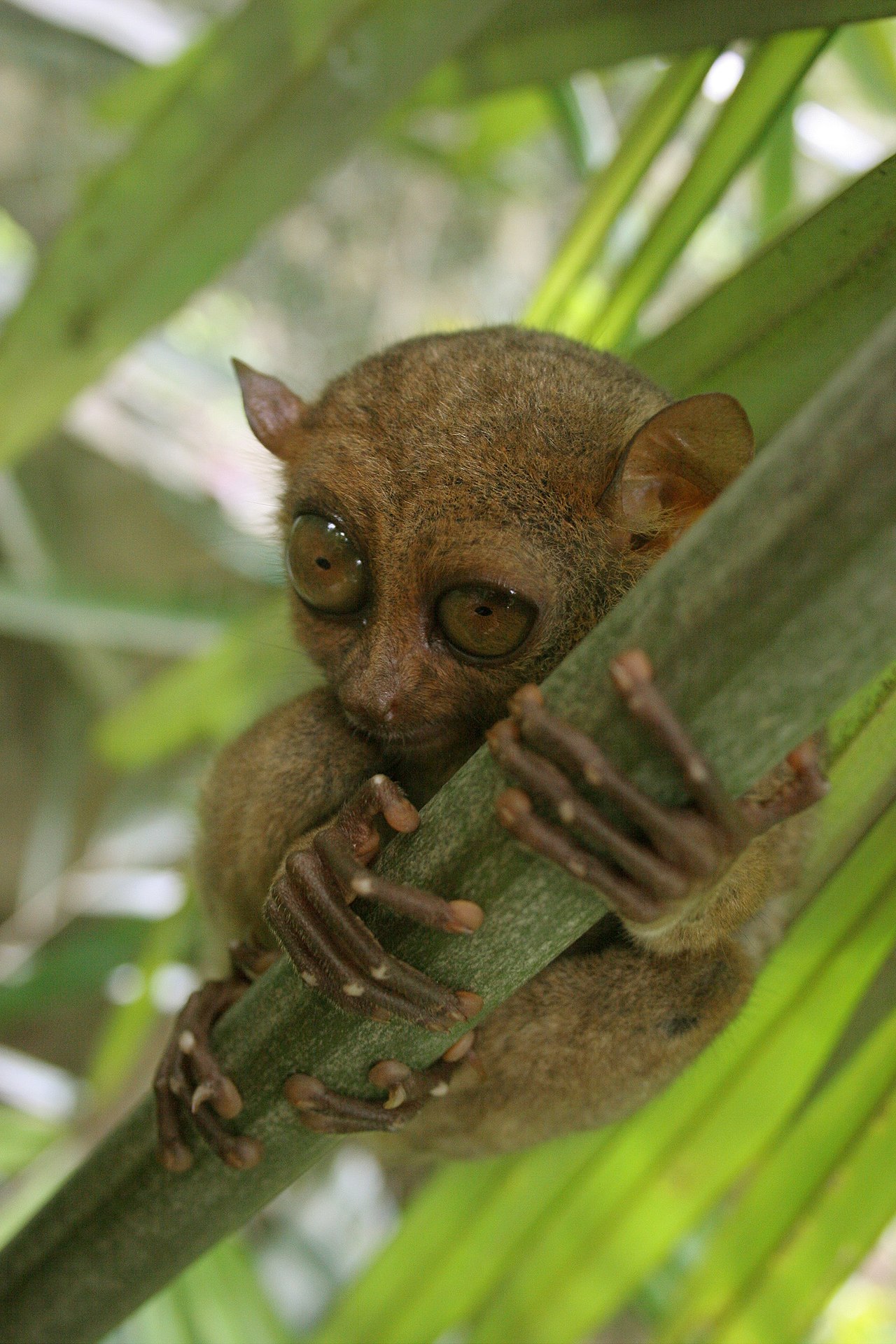





Physical characteristics
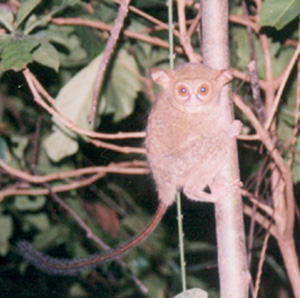
Tarsiers have a suite of anatomical features adapted to a predatory, arboreal lifestyle. Their most striking traits include very large, forward-facing eyes (each eye larger than the brain in volume), long hind limbs with extended tarsal bones for powerful jumps, and a flexible neck that allows substantial head rotation. Fur is typically soft and cryptic, coloration varying by species. Unlike many other primates, tarsiers lack a moist rhinarium (the wet nose) and have grooming claws typical of early primates.
Behavior and diet
These animals are exclusively carnivorous among primates: they feed mainly on insects and other small animals such as lizards, birds and small mammals. Hunting is generally sit-and-wait or slow stalking from a perch, followed by explosive leaps to capture moving prey. Tarsiers are strictly nocturnal, using keen vision and hearing to locate targets in dim light. Social systems range from solitary to small family groups; reproduction tends toward small litters, often a single infant per birth.
Taxonomy and evolution
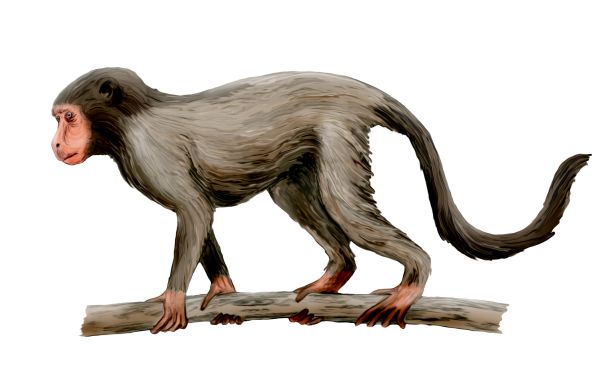
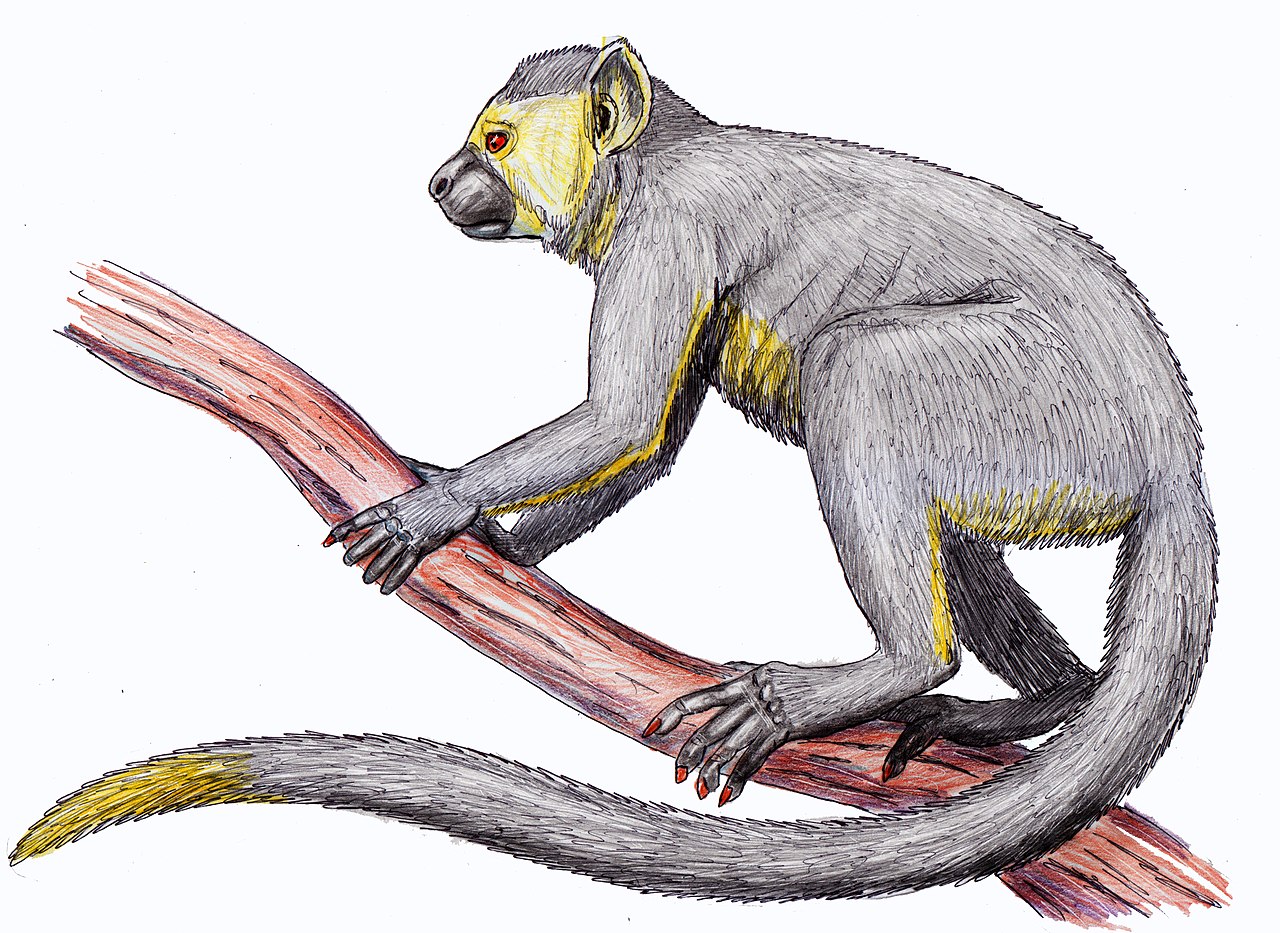
Historically grouped with the so-called prosimian primates, tarsiers are now placed within the haplorhine clade alongside the simians. Their relationship to other primates has been clarified by anatomical and molecular studies: they share a closer affinity with monkeys and apes than with lemurs and lorises. For general primate context see primates and for higher-group comparisons see simians or monkeys in broader treatments.
Distribution, habitat and conservation
Tarsiers occur on several islands including Borneo, Sulawesi and the Philippines, inhabiting primary and secondary tropical forests, scrub, and sometimes degraded woodland close to human settlements. Many species face threats from habitat loss, fragmentation and capture for the pet trade; some are considered vulnerable or endangered. Conservation efforts emphasize habitat protection, research on population status, and public education to reduce illegal capture.
Notable facts and distinctions
- Tarsiers are the only primates known to be wholly carnivorous, relying on animal prey rather than a mixed diet.
- Their eyes are immobile within the skull, which is compensated for by an unusually flexible neck.
- They exhibit powerful vertical clinging and leaping behavior, powered by their long tarsal bones.
- Several species are locally iconic — for example, the Philippine tarsier — and often feature in regional conservation messaging.
Because tarsiers combine primitive and highly specialized traits, they are important for understanding primate evolution and ecological specialization. Ongoing field studies continue to refine knowledge about their taxonomy, behavior and the conservation measures needed to secure their future.
Questions and answers
Q: What are tarsiers?
A: Tarsiers are prosimian primates, which are now placed together with the simians (monkeys).
Q: Why are they called tarsiers?
A: They got their name from the long bones in their feet.
Q: Where do tarsiers live?
A: Tarsiers live in trees and are entirely nocturnal.
Q: What is the diet of tarsiers?
A: Tarsiers are the only primates which are wholly carnivorous. They mainly eat insects, but some are also known to eat birds and snakes.
Q: How do tarsiers catch their prey?
A: Tarsiers can catch prey like birds even if they are in motion as the tarsiers jump from tree to tree to catch their prey.
Q: Are tarsiers monkeys?
A: Tarsiers are not monkeys, but they are now placed together with the simians.
Q: What are some of the unique characteristics of tarsiers?
A: Some unique characteristics of tarsiers include their long bones in their feet, being nocturnal, wholly carnivorous, and the ability to catch prey in motion.
Related articles
Author
AlegsaOnline.com Tarsier: small nocturnal primates of Southeast Asia Leandro Alegsa
URL: https://en.alegsaonline.com/art/96434
Sources
- doi.org : 10.1007/s10764-010-9459-6
- doi.org : 10.1159/000113191
- pubmed.ncbi.nlm.nih.gov : 8872317
- doi.org : 10.1002/ar.a.20263
- pubmed.ncbi.nlm.nih.gov : 16200648
- doi.org : 10.1002/ajp.1350090408
- uk.reuters.com : "Tiny, long-lost primate rediscovered in Indonesia"
- sciam.com : "Tiny primate rediscovered in Indonesia"