
Sinornithoides — a small troodontid theropod from Early Cretaceous China
Small troodontid dinosaur from the Early Cretaceous of Inner Mongolia, known for its bird-like anatomy and inferred insectivorous diet; important for studies of small theropod and paravian evolution.
Overview
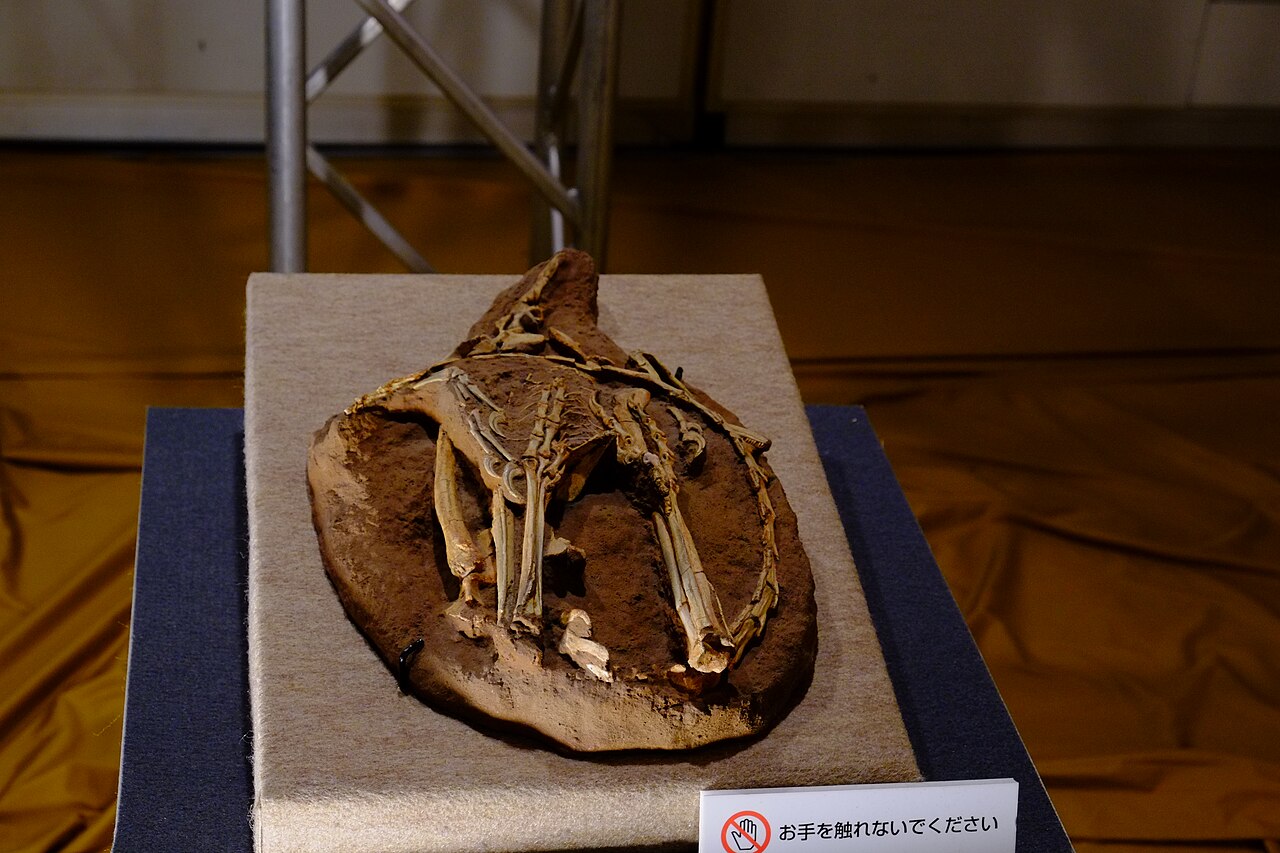
Sinornithoides (literally "Chinese bird form") is a genus of small, bird-like theropod placed among the troodontid family of dinosaurs. As a member of the paravian assemblage, it shows a mix of features that are intermediate between more typical meat-eating theropods and the lineage leading to modern birds. References commonly describe it as a compact, agile animal that likely foraged for small prey.
Image gallery
7 Images


Age, locality and discovery
Fossils attributed to Sinornithoides come from Early Cretaceous deposits of the Barremian stage, roughly in the range of about 125–130 million years ago. Specimens were recovered from sediments in Inner Mongolia, in present-day China. These remains preserve enough detail to place the genus within troodontids and to infer aspects of its lifestyle and anatomy.
Appearance and likely behavior
Sinornithoides was small by dinosaur standards, with an estimated body length near one metre. Its overall build suggests a nimble animal: long hindlimbs for running, grasping forelimbs with three fingers, and a relatively lightweight skeleton. Tooth shape and jaw structure indicate a diet focused on invertebrates and other small animals rather than large vertebrate prey, though direct stomach contents are not known.
Key characteristics
- Skull and teeth: narrow skull with numerous small, closely spaced teeth suited to capturing small prey items.
- Limbs: long, cursorial hind legs and grasping forelimbs imply active pursuit and manipulation of food.
- Brain and senses: troodontids in general show relatively large braincases and forward-facing eyes; Sinornithoides likely had enhanced sensory capabilities compared with many other small theropods.
- Feathers: while direct integumentary fossils for this genus are limited, related troodontids and close relatives possess feathers, so some form of feathering is considered probable.
Scientific significance and relationships
Sinornithoides contributes to understanding the diversity of small paravian theropods in Early Cretaceous Asia. Its combination of bird-like and primitive theropod features helps paleontologists trace the evolutionary changes that occurred along the line leading to birds. Comparative study of Sinornithoides and other troodontids clarifies patterns of diet, locomotion, and sensory adaptation in these small predators.
For further context on its family and time period see entries on dinosaur groups and the Early Cretaceous faunas in Inner Mongolia and China.
Questions and answers
Q: What does the name Sinornithoides mean?
A: The name Sinornithoides means "Chinese bird form".
Q: What type of dinosaur is Sinornithoides?
A: Sinornithoides is a troodontid theropod dinosaur.
Q: When did Sinornithoides live?
A: Sinornithoides lived during the Early Cretaceous period, around 130-125 million years ago.
Q: How long was Sinornithoides?
A: Sinornithoides measured approximately 1 meter long (3 ft).
Q: Where did Sinornithoides live?
A: Sinornithoides lived in Inner Mongolia, China.
Q: What did Sinornithoides eat?
A: Sinornithoides probably ate invertebrates and other small prey.
Q: What is the Barremian stage?
A: The Barremian stage is a geological time period within the Early Cretaceous period, during which Sinornithoides lived.
Related articles
Author
AlegsaOnline.com Sinornithoides — a small troodontid theropod from Early Cretaceous China Leandro Alegsa
URL: https://en.alegsaonline.com/art/90686