
Mulhacén — highest peak of continental Spain
Mulhacén is the tallest summit of continental Spain and the Iberian Peninsula, rising in the Sierra Nevada. This article covers its location, features, history, routes, and conservation.
Overview
Mulhacén is the highest mountain in continental Spain and a prominent summit of the Iberian Peninsula. It stands within the Sierra Nevada mountain range, part of the broader Cordillera Penibética, in the province of Granada. The peak is the roof of mainland Iberia and attracts hikers, naturalists and visitors interested in high-mountain landscapes and cultural history.
Image gallery
2 Images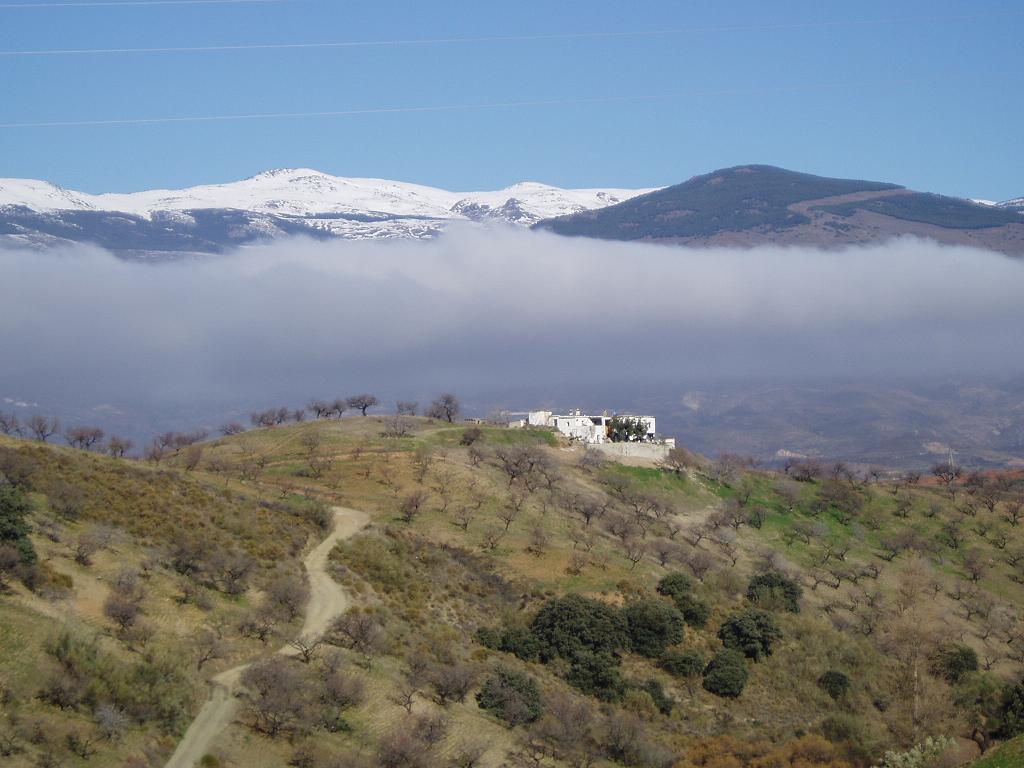

Physical characteristics
Mulhacén reaches an elevation of about 3,479 metres, making it the highest point on the European mainland in Spain; only volcanic peaks on the Canary Islands exceed it within the Spanish state. The mountain has an alpine climate with long, cold winters and a short growing season. Above the tree line the terrain consists of rocky ridges, scree slopes and high plateaus that host specialized mountain flora and fauna adapted to harsh conditions.
Geology and ecology
Geologically Mulhacén belongs to the Betic orogeny and displays rock types and structures typical of southern Spain's mountain belts. The Sierra Nevada as a whole contains a mixture of metamorphic and igneous formations and shows the effects of glacial sculpting from past cold periods. Ecologically the area holds important high-altitude plant communities and several endemic species; the broader mountain landscape is valued for its biodiversity and long history of human land use.
History and name
The peak’s modern name commemorates Abu l-Hasan Ali, commonly known in Spanish as Muley Hacén, a 15th-century Nasrid ruler of the Kingdom of Granada. Local tradition and legend say the king was buried on the summit, a story that has become part of the mountain’s cultural identity even though it is not verified by archaeological evidence. The mountain has long been a landmark for communities in the surrounding valleys and a subject of cartography and travel writing since the early modern era.
Access and uses
Mulhacén is a popular objective for hikers and mountaineers. Summer ascents are generally non-technical and can be achieved on well-marked routes from mountain villages and high mountain refuges; common starting points include traditional villages in the Poqueira and Trevélez valleys. In winter the mountain requires alpine equipment and experience in snow travel. The Sierra Nevada range also supports a seasonal ski area at lower elevations and a network of trails used for scientific study, recreation and traditional grazing.
Protection and significance
Mulhacén lies within protected territory: the Sierra Nevada has national park status and is recognized for both its ecological importance and cultural landscapes. The area is managed for conservation, sustainable tourism and research into mountain ecosystems. For many visitors the summit offers extensive views of surrounding peaks, the Andalusian plain and, on clear days, distant glimpses of the sea — a reminder of the mountain’s geographic prominence and lasting appeal.
- Notable distinction: highest point of mainland Spain and the Iberian Peninsula.
- Legend: association with Muley Hacén and stories of a royal burial on the summit.
- Practical note: summer routes are accessible to fit hikers; winter ascents require mountaineering skills.
Questions and answers
Q: What is Mulhacén?
A: Mulhacén is the highest mountain in continental Spain and the Iberian Peninsula.
Q: Where is Mulhacén located?
A: Mulhacén is located in the Sierra Nevada range in the Cordillera Penibética.
Q: How did Mulhacén get its name?
A: Mulhacén is named after Abu l-Hasan Ali, or Muley Hacén, the second-to-last Muslim King of Granada in the 15th century. According to legend, he was buried on the summit of the mountain.
Q: What is the significance of Mulhacén?
A: Mulhacén is significant because it is the highest mountain in continental Spain and the Iberian Peninsula.
Q: What type of mountain range is Mulhacén located in?
A: Mulhacén is located in the Sierra Nevada range, which is part of the Cordillera Penibética.
Q: Who was Muley Hacén?
A: Muley Hacén was the second-to-last Muslim King of Granada in the 15th century.
Q: What is the legend about Muley Hacén and Mulhacén?
A: According to legend, Muley Hacén was buried on the summit of Mulhacén, which is why the mountain is named after him.
Related articles
Author
AlegsaOnline.com Mulhacén — highest peak of continental Spain Leandro Alegsa
URL: https://en.alegsaonline.com/art/67425