
Almería — Andalusian port city: history, landscape, economy and sights
Almería is a Mediterranean port city in southeastern Spain, capital of its province. Known for its Alcazaba fortress, arid climate, greenhouse agriculture and film-friendly desert landscapes.
Overview
Almería is a coastal city in southeastern Spain and the capital of the province of Almería. Its long shoreline on the Mediterranean Sea and its position within Andalusia have shaped a maritime and agricultural economy and a layered urban history. For pronunciation notes see the UK pronunciation and the US pronunciation.
Image gallery
10 Images



Geography and climate
The city lies between coastal mountains and an arid plain. Almería has one of the driest climates in mainland Europe, with long sunny periods and relatively low rainfall; this semi-arid Mediterranean climate influences local vegetation, water management and land use. Nearby protected areas include coastal reserves and the volcanic landscapes of Cabo de Gata‑Níjar, valued for their biodiversity and striking geology.
History
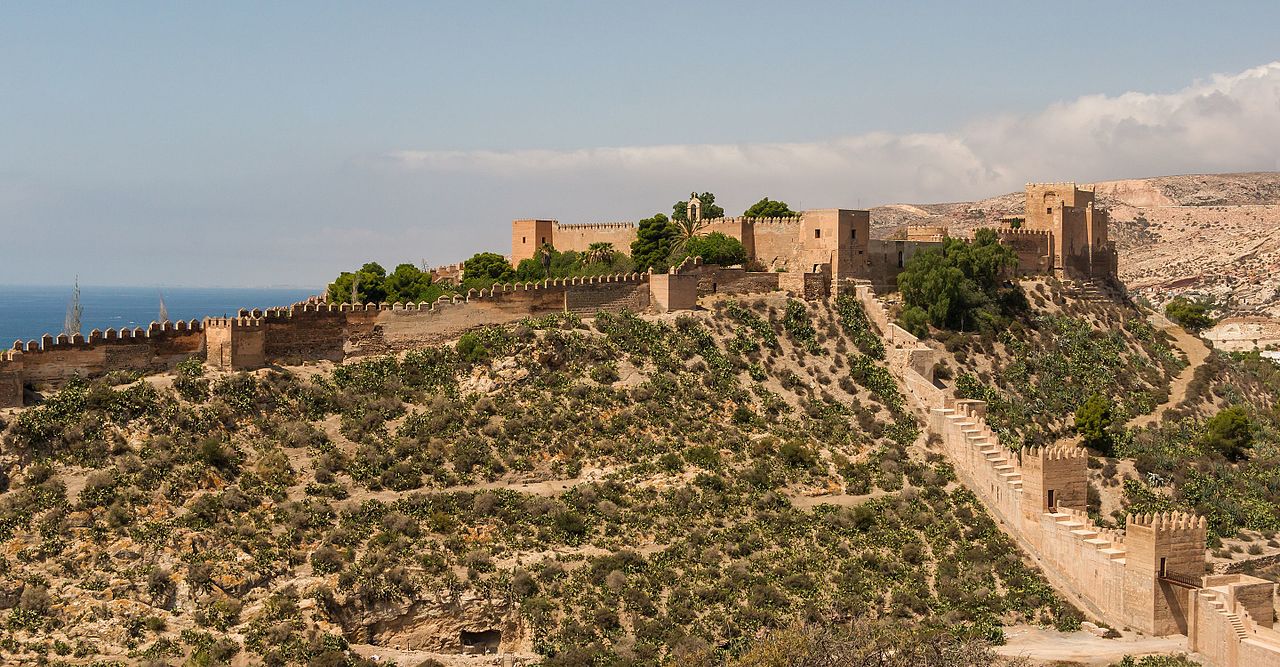
Settlement in the area dates to antiquity and the city later developed under Roman and Visigothic influence before becoming an important Mediterranean port in the medieval Islamic period. A major hilltop fortress complex built in the medieval era dominates the old town and reflects Almería's strategic role as a defensive and commercial centre through successive periods.
Economy and agriculture
Modern Almería combines port activities, services and intensive agriculture. The flat plain around the city is covered by thousands of plastic greenhouses producing vegetables and fruit for domestic and export markets; this intensive cultivation has led to the local expression sometimes translated as the "sea of plastic." Tourism linked to beaches, natural parks and cultural heritage is also important.
Culture, film and tourism
The dry landscapes near Almería, especially the Tabernas area, have long attracted filmmakers and helped establish a film-tourism niche. Visitors come to explore the Alcazaba fortress, the distinctive fortified cathedral, local museums and coastal promenades. Practical transport connections include an airport, a commercial port and road links to other Andalusian cities, making Almería a regional hub for culture, commerce and nature-based tourism.
Distinctive features
- Arid Mediterranean climate uncommon in much of Europe
- Historic Alcazaba complex overlooking the port
- Extensive greenhouse agriculture supplying national and international markets
- Proximity to desert-like film locations and protected coastal parks
Related articles
Author
AlegsaOnline.com Almería — Andalusian port city: history, landscape, economy and sights Leandro Alegsa
URL: https://en.alegsaonline.com/art/2903
Sources
- collinsdictionary.com : "Almería"