
Ural Mountains
A major Eurasian mountain chain running north–south in Russia, marking a physical and cultural divide between Europe and Asia, noted for its geology, mineral wealth, and ecological diversity.
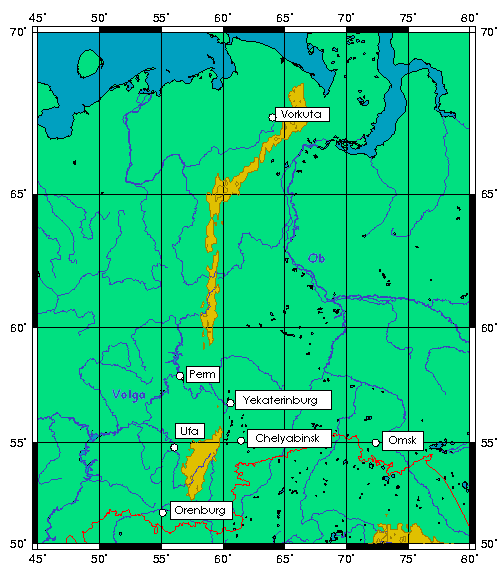
The Ural Mountains, commonly called the Urals, form a long roughly north–south chain in Russia that traditionally marks part of the boundary between the continents of Europe and Asia. The name in Russian is Ура́льские го́ры, romanized as Uralskiye gory. The range extends from the Arctic Ocean in the north toward the steppes near Kazakhstan in the south and crosses a variety of climates and landscapes.
Image gallery
10 Images



Geography and subregions
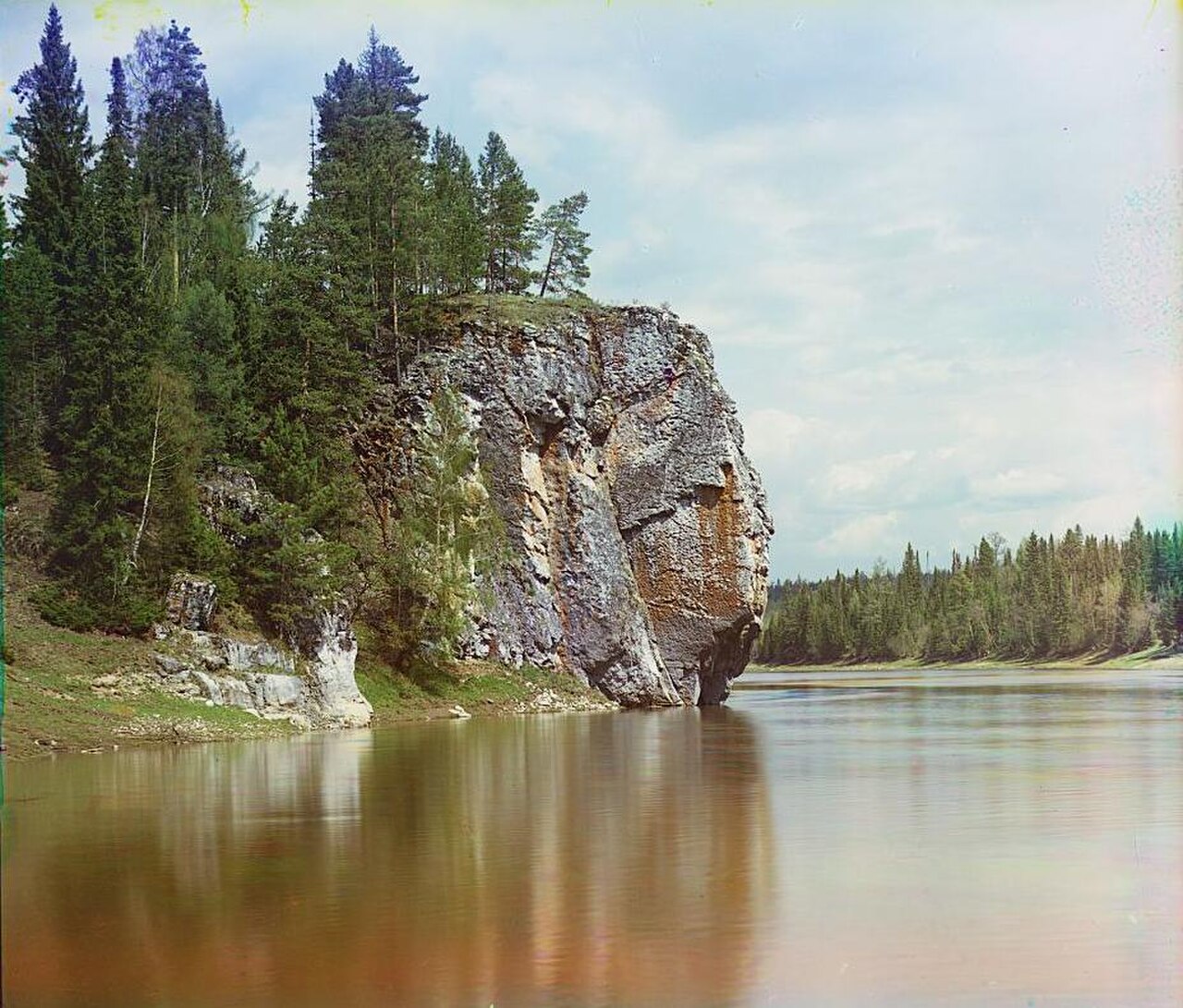
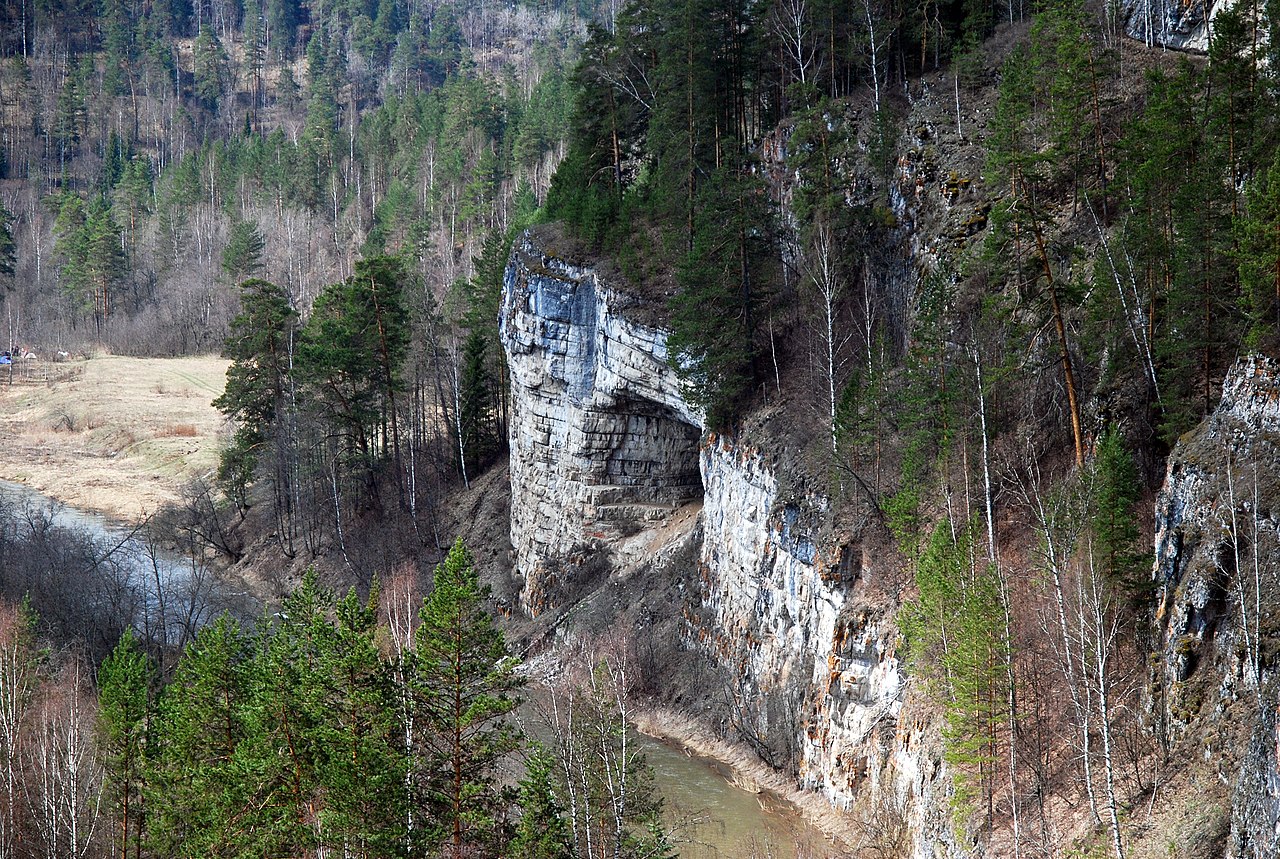
The Urals stretch for many hundreds of kilometres and are commonly divided into several segments: Polar (northernmost), Northern, Central and Southern sections. Prominent cities and industrial centres lie along or near its western and eastern foothills. Vegetation ranges from tundra and sparse Arctic flora in the north to taiga forests and mixed woodlands further south, with steppe transitions at the southern end.
Geology and origin
Geologically the Urals are an ancient fold-and-thrust belt formed during the late Paleozoic era in what geologists call the Uralian orogeny, when continental fragments collided and welded together. That long geological history produced complex rock types, folded structures and rich mineral deposits that have been exploited for centuries.
Natural resources and ecology
The range is well known for its mineral wealth: iron ores, copper, nickel, platinum-group metals, coal and gemstones have been mined in different districts. Ecologically the mountains host diverse habitats and species adapted to Arctic, boreal and temperate zones. Rivers originating in the Urals feed larger Siberian and European drainage systems.
Human use, transport and cultural role
Over time the Urals became an industrial backbone for Russia, with mines, metallurgical centres and transport corridors cutting through passes and valleys. Major rail and road routes traverse or skirt the range, linking European Russia with Siberia and Central Asia. The Urals also figure in cultural geography as a commonly cited border between Europe and Asia, a distinction with historical and symbolic importance rather than a strictly precise scientific line.
Notable facts and further reading
- Highest ridges reach roughly alpine heights for the region; the best-known peak is Mount Narodnaya in the northern-central sector.
- The range's long, continuous chain has influenced climate, watershed patterns and settlement distribution in western Russia.
- For maps, geological summaries and travel information see specialized sources such as regional atlases and geological surveys (mountain range references).
Related articles
Author
AlegsaOnline.com Ural Mountains Leandro Alegsa
URL: https://en.alegsaonline.com/art/103530