
Sibiu County: geography, history, culture and economy of a Transylvanian region
Sibiu County (judeţ) in central Romania, in historic Transylvania. Overview of geography, history, economy, cultural life, administration, and main attractions centered on the city of Sibiu.
Overview
Sibiu County is an administrative region (judeţ) in central Romania, situated in the historic area known as Transylvania. Its administrative centre and largest city is Sibiu, a cultural and economic hub. The county has a mixed heritage shaped by Romanian, German (Transylvanian Saxon) and Hungarian communities; the Hungarian name of the county and city is Szeben.
Image gallery
10 Images



Geography and landscape
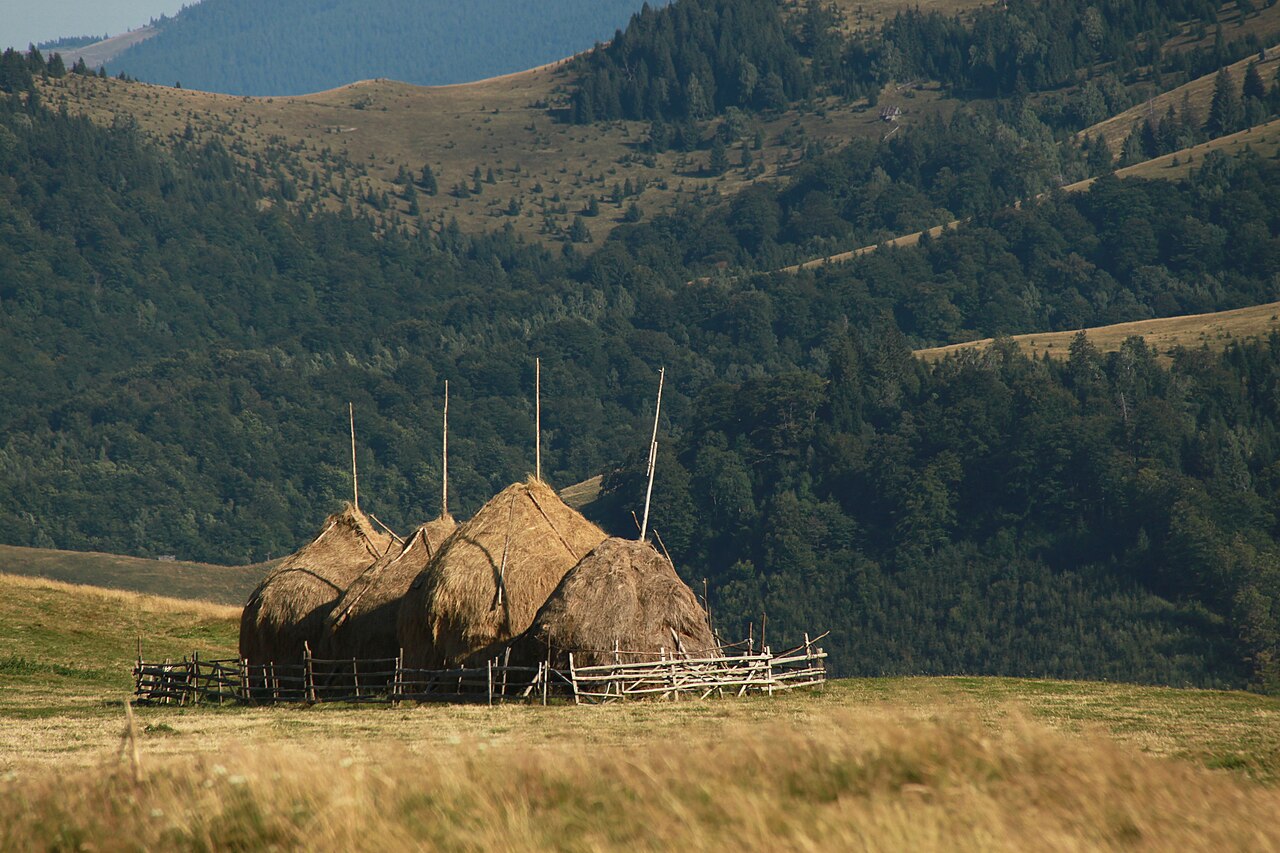
The county spans a varied landscape: the Southern Carpathians (including parts of the Făgăraș and Cindrel ranges) give way to rolling hills and river valleys toward the east and north. Mountain passes and scenic roads connect the county to neighbouring regions. The terrain supports forestry, mountain tourism and upland pastoralism as well as lower-elevation agriculture.
History and development
Sibiu has medieval origins and grew around a fortified Saxon settlement; over centuries it was an important regional centre under Hungarian and Habsburg influence before becoming part of modern Romania. The county’s towns and many surrounding villages retain fortified churches, manor houses and urban cores that reflect this layered history.
Economy, transport and administration
The local economy combines light industry, food production, services and tourism. The county is organized under Romanian county governance into municipalities, towns and communes, and is connected by national roads and rail links that facilitate trade and travel. Strategic mountain passes and tourist routes give the area an important role in regional transport.
Culture, tourism and notable attractions
Sibiu city is known for its well-preserved historic centre, cultural institutions and annual arts events; the county also offers rural tourism with fortified churches, traditional villages, hiking trails and ski areas. Visitors often combine cultural sightseeing in the city with excursions into the surrounding mountains and countryside of Transylvania.
Demographics and distinctive features
The county’s population reflects Romania’s ethnic and religious diversity; historical communities of Transylvanian Saxons have left an enduring architectural and cultural imprint, although many emigrated in the 20th century. Local gastronomy, crafts and festivals continue to celebrate this mixed heritage.
Practical information
Questions and answers
Q: What is Sibiu County?
A: Sibiu County is a Romanian county located in the historical region of Transylvania.
Q: What is the capital city of Sibiu County?
A: The capital city of Sibiu County is Sibiu.
Q: What is the pronunciation of Sibiu?
A: The pronunciation of Sibiu is [si.'bju].
Q: What is the significance of Sibiu in Romania?
A: Sibiu is a historical city in Romania that is known for its well-preserved medieval buildings and charming streets.
Q: What is the official language of Sibiu County?
A: The official language of Sibiu County is Romanian.
Q: Does Sibiu County have any neighboring counties?
A: Yes, Sibiu County shares borders with several other counties in Romania, including Alba, Mures, Brasov, and Valcea.
Q: Are there any ethnic Hungarian communities in Sibiu County?
A: Yes, there are ethnic Hungarian communities in Sibiu County. In Hungarian, Sibiu is known as Szeben.
Related articles
Author
AlegsaOnline.com Sibiu County: geography, history, culture and economy of a Transylvanian region Leandro Alegsa
URL: https://en.alegsaonline.com/art/90171