
Shed: definition, types, materials, uses and maintenance
A shed is a simple single-storey outbuilding used for storage, hobbies or workshops. This article explains common types, materials, history, typical uses and practical maintenance tips.
Overview
A shed is a modest, single-storey outbuilding commonly found in gardens, yards and farms. Primarily used for storing tools, equipment and seasonal items, sheds also serve as small workshops, hobby rooms or utility spaces. For information tailored to domestic landscaping and property layouts, see local garden resources at garden guidance.
Image gallery
10 Images
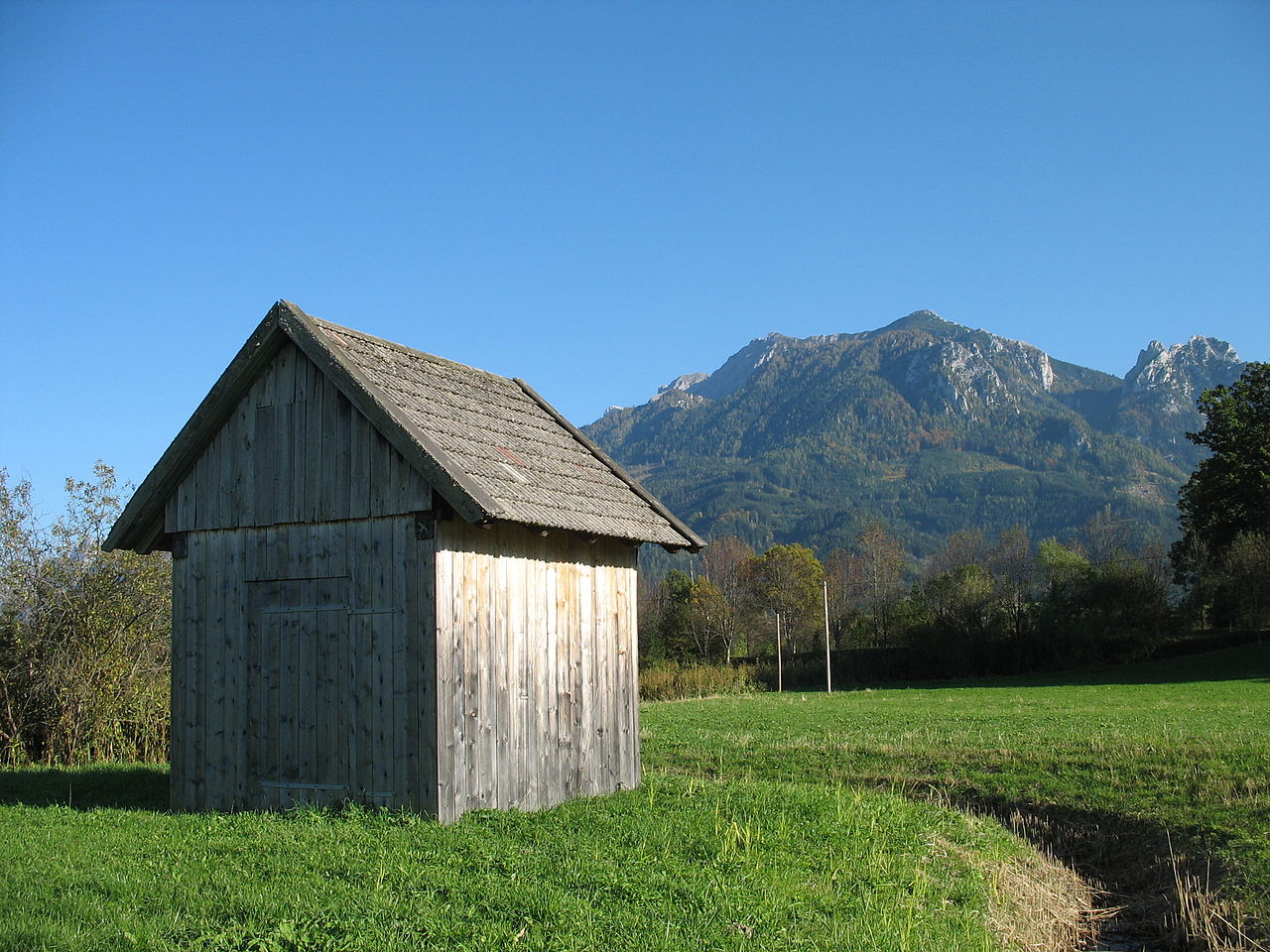
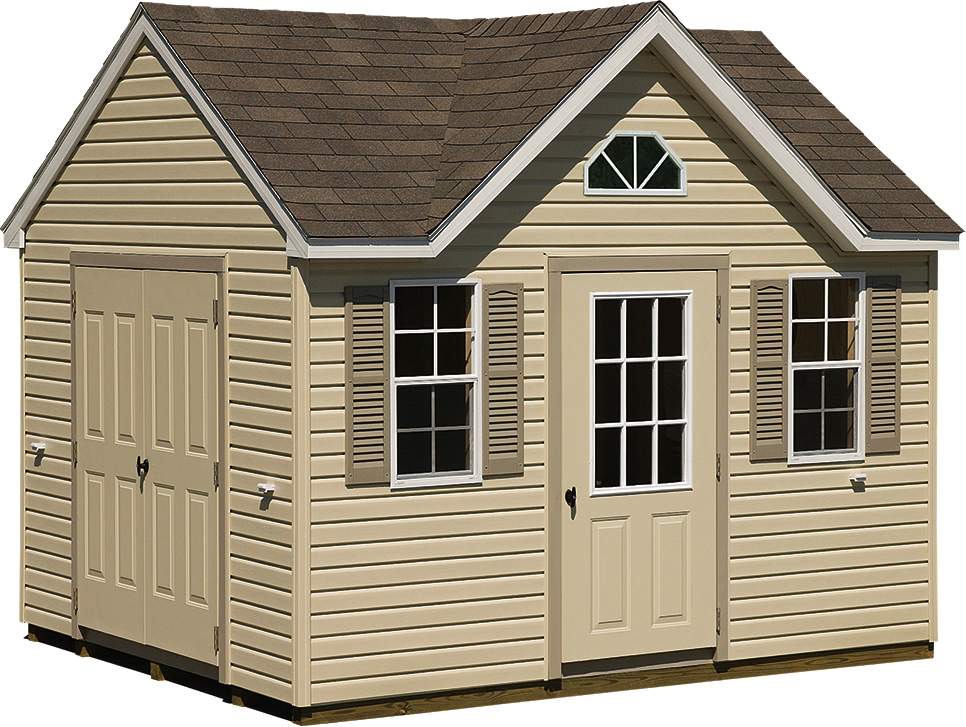


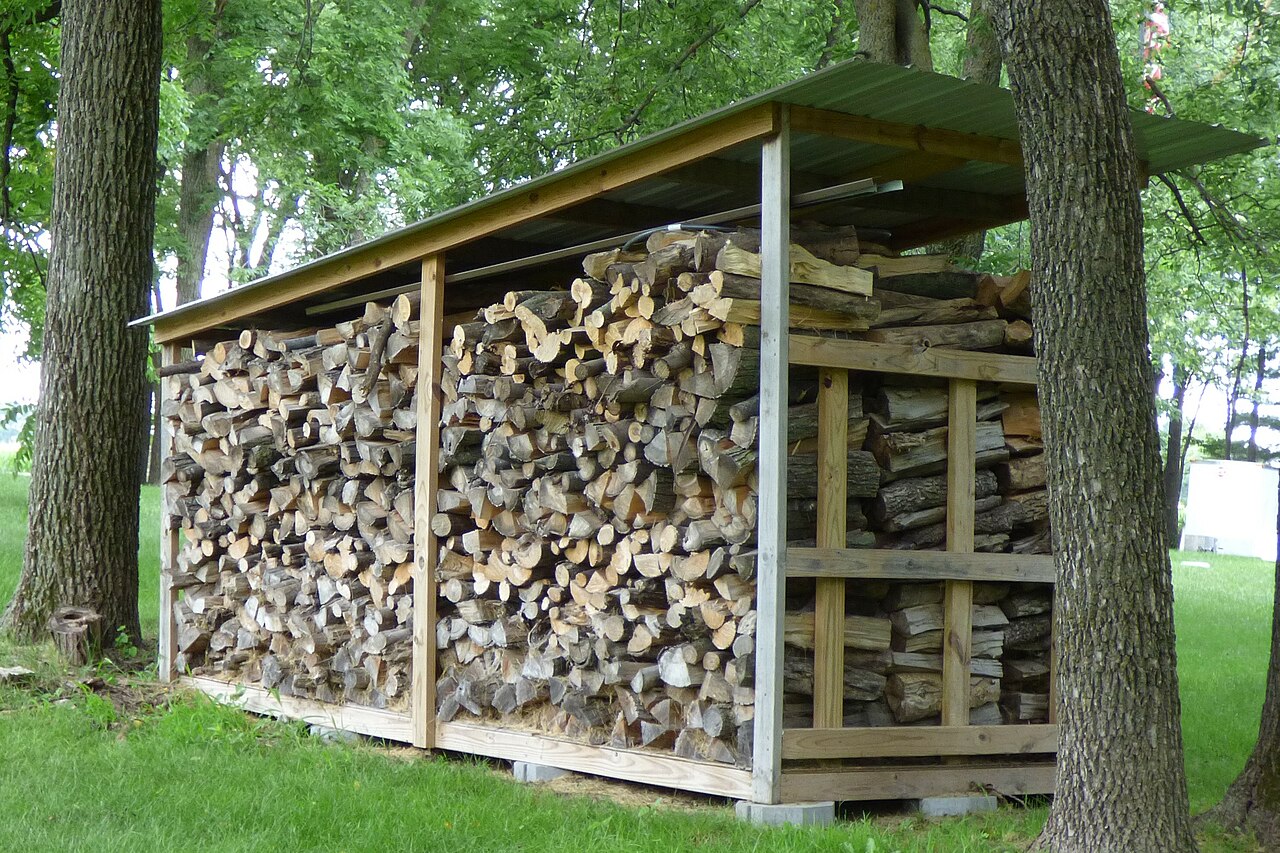

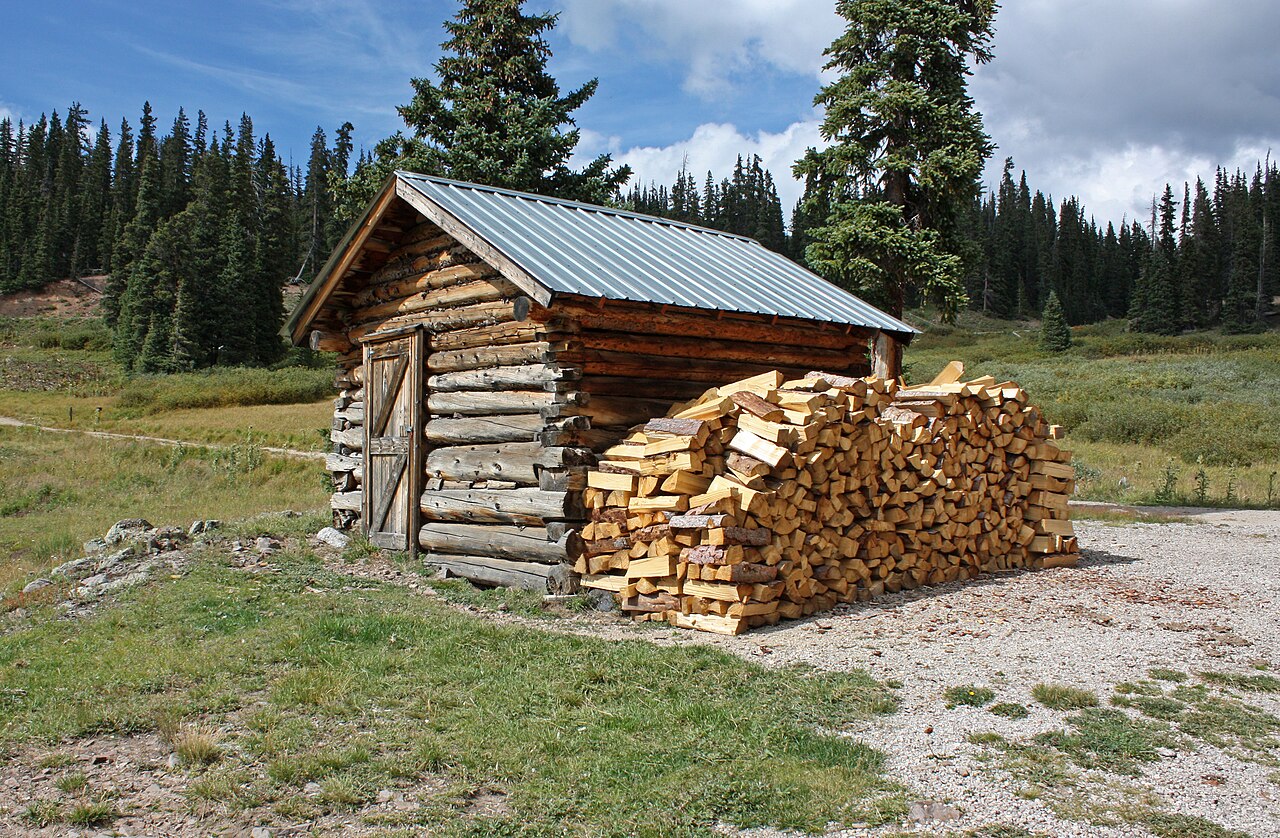


Common types
Sheds vary widely in size and purpose. Typical forms include:
- Garden sheds for tools and lawn equipment.
- Potting sheds used for plant care and gardening tasks.
- Workshops or hobby sheds adapted for projects and crafts; examples and DIY ideas can be found at hobby and workshop resources.
- Lean-to or attached sheds that share a wall with another building.
- Farm sheds or agricultural outbuildings used for machinery and storage; see agricultural information at farm shed guidance.
Materials and construction
Sheds are constructed from a range of materials chosen for cost, durability and appearance. Common choices are timber framing with wood cladding, metal panels on a steel frame, molded plastic or vinyl units and, less commonly, concrete block. Lightweight roofing often uses corrugated metal or tin; more finished builds may have shingles or sealed panels — examples of metal roofs are described at metal roofing and roof styles at roof types. Many modern kits offer molded plastic options for low maintenance; manufacturers and comparisons can be explored via plastic shed suppliers.
Uses and adaptations
Beyond storage, sheds are frequently adapted as quiet studios, home offices, bicycle shelters, or secure storage for hazardous materials. Hobbyists convert them into woodworking shops, art studios or electronics benches. Proper insulation, ventilation and electrical supply can expand a shed's usefulness but may require local permits.
History and development
Historically, sheds evolved from simple agricultural outbuildings and woodworking lean-tos into a variety of domestic and commercial forms. The twentieth century brought prefabricated kits and mass-produced panels that made sheds affordable and standardized, while recent trends emphasize modularity, eco-friendly materials and multiuse designs.
Maintenance and planning considerations
Regular maintenance—painting or treating wood, checking seals and roof fixings, and preventing damp—prolongs a shed's life. When planning a new shed, consider siting, foundations, access, drainage and any building regulations or neighborhood rules. For farm-scale structures consult specialized guidance at farm shed guidance and for material choices review information at plastic shed suppliers or metal roofing. Understanding these factors helps ensure a safe, functional and long-lasting outbuilding.
Related articles
Author
AlegsaOnline.com Shed: definition, types, materials, uses and maintenance Leandro Alegsa
URL: https://en.alegsaonline.com/art/89575