
Sea of Azov: geography, history, ecology and contemporary significance
A shallow, semi-enclosed sea north of the Black Sea, bordered by Ukraine, Russia and Crimea; notable for low salinity, heavy sedimentation, important ports, and strategic and ecological sensitivity.
The Sea of Azov is a small, shallow inland sea that lies to the northeast of the Black Sea. It is linked to the Black Sea by the narrow Kerch Strait and receives large volumes of freshwater from rivers, most prominently the Don. The body of water is notable for its very shallow depth, relatively low salinity and extensive coastal wetlands. Its shores are shared by Ukraine to the north, Russia to the east, and the Crimean peninsula to the west, with a long human history of trade, fishing and strategic competition. The Russian name for the sea is given in some sources as Azovskoye more (Russian) and the Ukrainian as Ozivs'ke or Azovs'ke more (Ukrainian).
Image gallery
10 Images


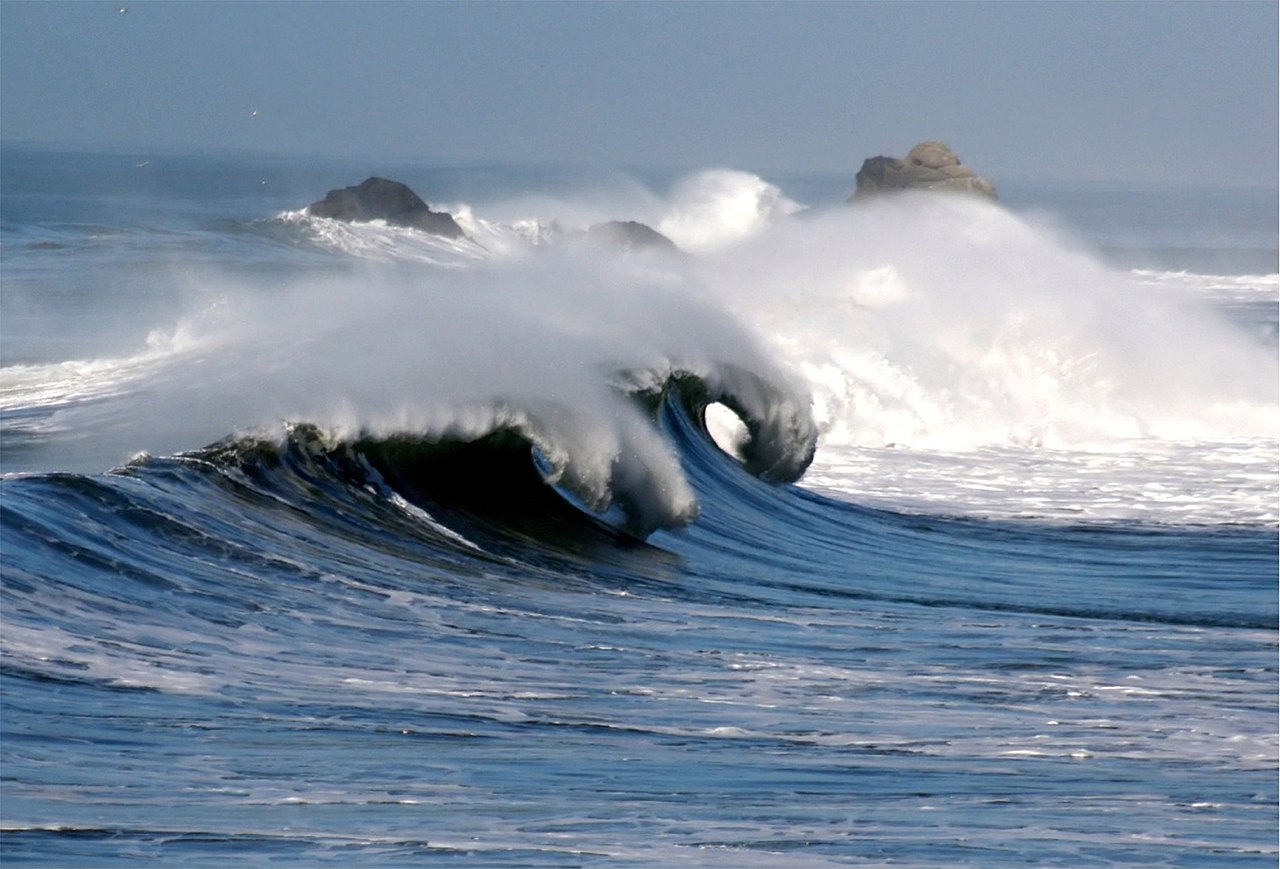



Geography and physical characteristics
The Sea of Azov is one of the most shallow seas in the world, with typical depths measured in single-digit meters in many areas. Its waters are brackish because of substantial river inflow, which dilutes marine salinity and supports a mix of freshwater and marine species. The sea is separated from the Black Sea by the Kerch Strait, the only maritime passage between the two basins. Navigation in the Azov is affected by shoals, sediment deposition and seasonal ice in some winters.
- Major coastal cities and ports include access to the Black Sea region via the Kerch connection, as well as local ports: Berdyansk and Mariupol on the northern and western shores, and Russian ports such as Taganrog and Jeisk on the east.
- Important river inputs: the Don River reaches the sea through an estuary area near the city of Rostov-on-Don and the historic fortress town of Azov.
- Hydrology: low salinity, high turbidity and strong seasonal temperature swings make the Azov an ecologically dynamic basin; sedimentation steadily alters its seabed.
History, settlement and economic use
Human use of the Azov region stretches back to antiquity, with Greek, Byzantine and later medieval trading posts and fortresses established along its coasts and at river mouths. Through time the area has been contested by various regional powers because of its maritime access, fertile coastal plains and fisheries. Local economies historically relied on fishing, salt extraction and coastal trade; in modern times ports on the Azov support commercial shipping, metallurgy and industry in nearby cities.
Because the sea is shallow, vessel size and draft are constrained and navigation often requires regular dredging of channels. Fisheries remain important, but have been affected by changing river flows, pollution and overfishing. The Kerch Strait is of particular strategic and commercial importance because it controls passage between the Azov and the wider Black Sea and thus influences shipping to several coastal ports.
Contemporary issues and notable facts
The Sea of Azov faces environmental pressures common to semi-enclosed seas: eutrophication from nutrient runoff, contamination from industrial activity, habitat loss in coastal wetlands and the impact of infrastructural works on currents and sediment transport. The political and jurisdictional status of surrounding territories, including the Crimean peninsula—internationally recognised as part of Ukraine but subject to disputed control—affects management, access and maritime regulation. Control of the Kerch Strait and its approaches has practical implications for port access and regional security.
Researchers, coastal managers and local communities continue to monitor the Azov for fisheries health, water quality and shoreline change. Conservation of its wetlands and sensible river management are widely seen as important for maintaining the sea's productive coastal ecosystems and the economic activities that depend on them. For further context about regional geography and navigation, see related entries and resources linked here: Don estuary and regional maps.
Tags
Related articles
Author
AlegsaOnline.com Sea of Azov: geography, history, ecology and contemporary significance Leandro Alegsa
URL: https://en.alegsaonline.com/art/88268