
Sea wall (coastal defence)
A sea wall is a hardened shoreline structure built to reduce coastal erosion and flooding from waves and storm surge; designs, impacts and management choices determine suitability and effectiveness.
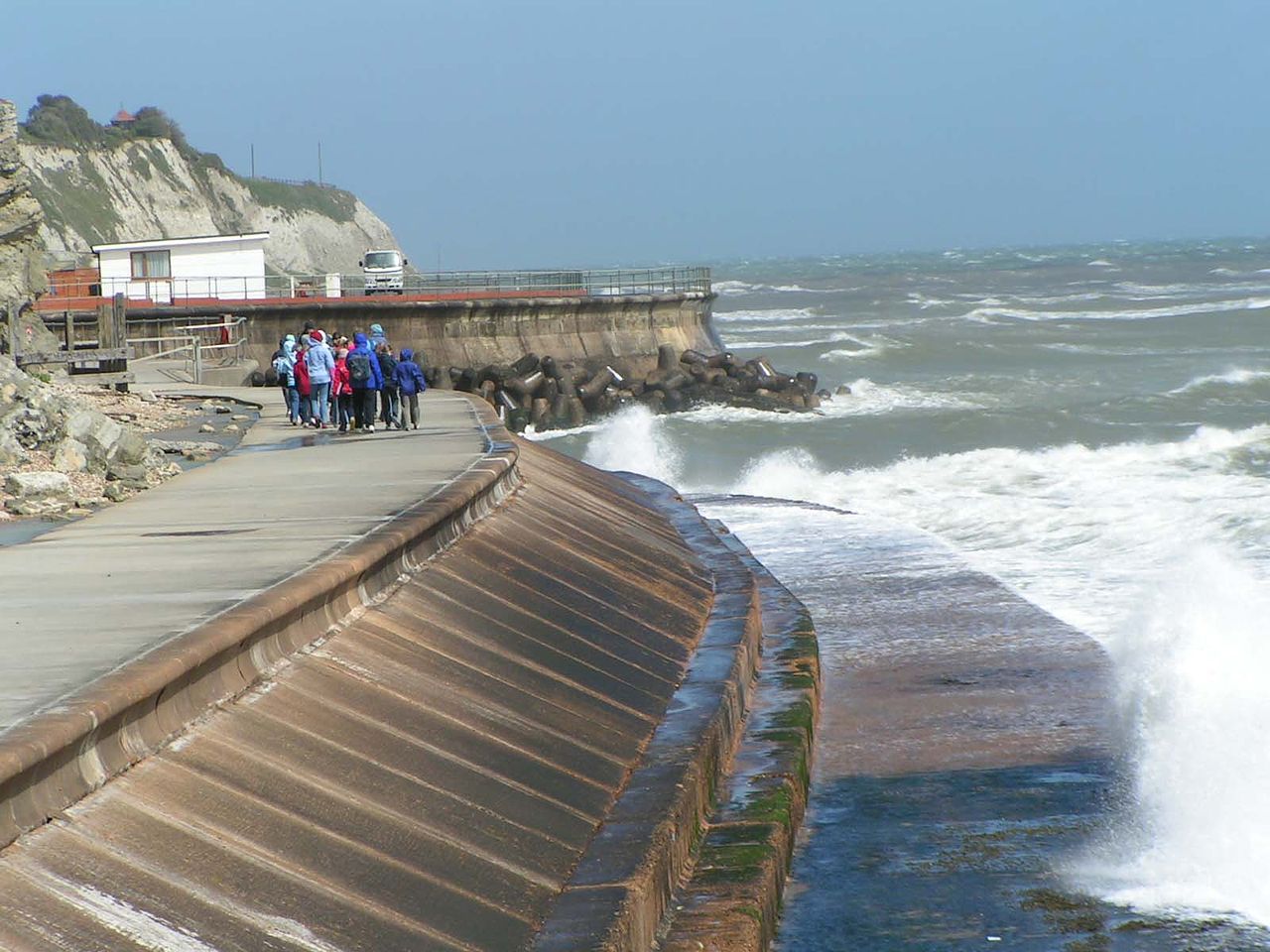
A sea wall is a solid barrier erected along a shoreline to protect land, property and infrastructure from wave impact, storm surge and long-term shoreline recession. Such structures are intended to reduce coastal erosion and limit damage from coastal flooding. Sea walls range from simple piled rock revetments to engineered concrete barriers with recurved faces that deflect and dissipate wave energy.
Image gallery
10 Images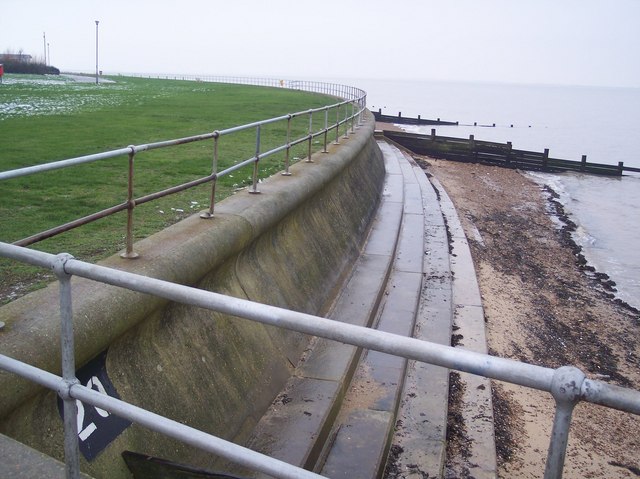



Types and main features
Designs reflect local conditions, budget and objectives. Common types include:
- Vertical walls — near-vertical faces that reflect waves and are compact where land is limited.
- Recurved or stepped walls — shaped to reduce overtopping by redirecting wave energy.
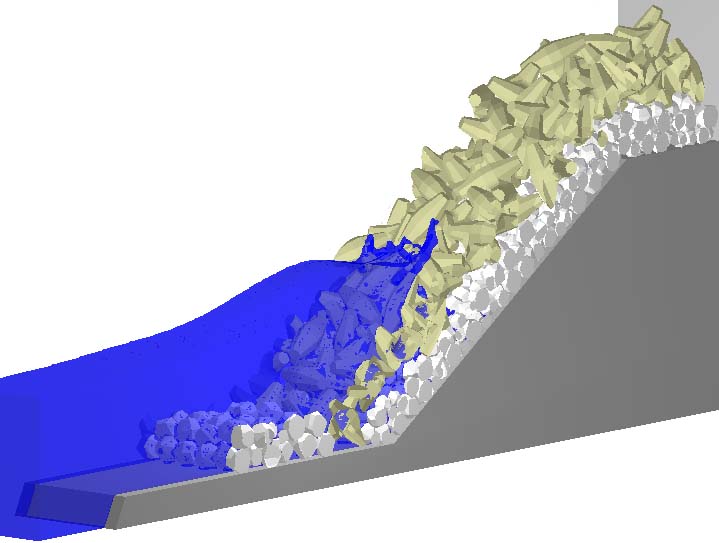
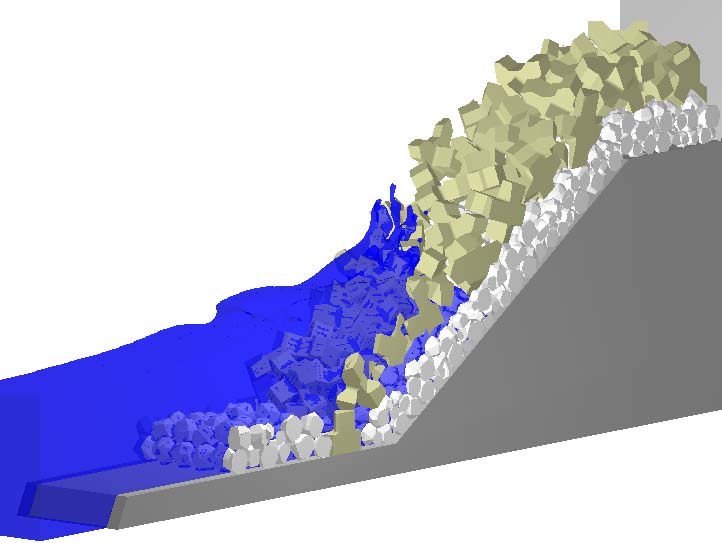
- Sloped revetments and riprap — rock or concrete slopes that absorb energy and reduce scour.
- Sheet-pile and bulkhead walls — metal or timber panels used to retain soil in harbour and estuary settings.
- Composite systems — hard structures combined with berms, dunes or vegetation for hybrid protection.
Design considerations
Engineers consider wave climate, tidal range, beach profile, local geology and projected sea-level change when sizing a wall. Foundations must resist scour and undermining; toe protection and drainage are important to preserve stability. A wall may be designed for immediate hazards, future adaptation or temporary life span depending on financial and policy choices.
Environmental and coastal impacts
Sea walls provide direct protection for assets but can produce trade-offs. Hard structures often reflect wave energy, which can steepen the nearshore profile and accelerate loss of sand in front of the wall. This process can reduce recreational beach width and increase erosion at neighboring unprotected stretches, a phenomenon called flanking. Walls also alter habitat and shoreline dynamics, potentially affecting intertidal organisms and natural sediment transport.
Maintenance and lifecycle
Construction, repair and long-term maintenance are significant considerations. Extreme storms can damage or overtop walls, requiring reinforcement or replacement. Routine inspection, toe repair and management of drainage are typical tasks. As sea level rises, many walls require raising, retrofitting or complementary measures to remain effective.
Alternatives and planning choices
Coastal managers evaluate sea walls alongside softer options such as beach nourishment, dune restoration, living shorelines and managed retreat. Often a combination of measures—small-scale hard protection plus natural buffers—balances risk reduction with ecological and recreational values. Decisions weigh cost, expected lifespan, community values and long-term sustainability.
Policy and community considerations
Choosing to build, modify or remove a sea wall involves legal, social and environmental dimensions. Public access, visual impact, ownership of the shoreline and downstream effects are commonly considered in planning. Adaptive management, stakeholder engagement and monitoring help ensure that chosen measures meet changing conditions and community needs.
Related articles
Author
AlegsaOnline.com Sea wall (coastal defence) Leandro Alegsa
URL: https://en.alegsaonline.com/art/88283