
Scarification: cultural practice, methods, meanings, and risks
Scarification is the intentional creation of permanent scars on the skin for cultural, aesthetic, or personal reasons. This article explains techniques, history, motivations, and health considerations.
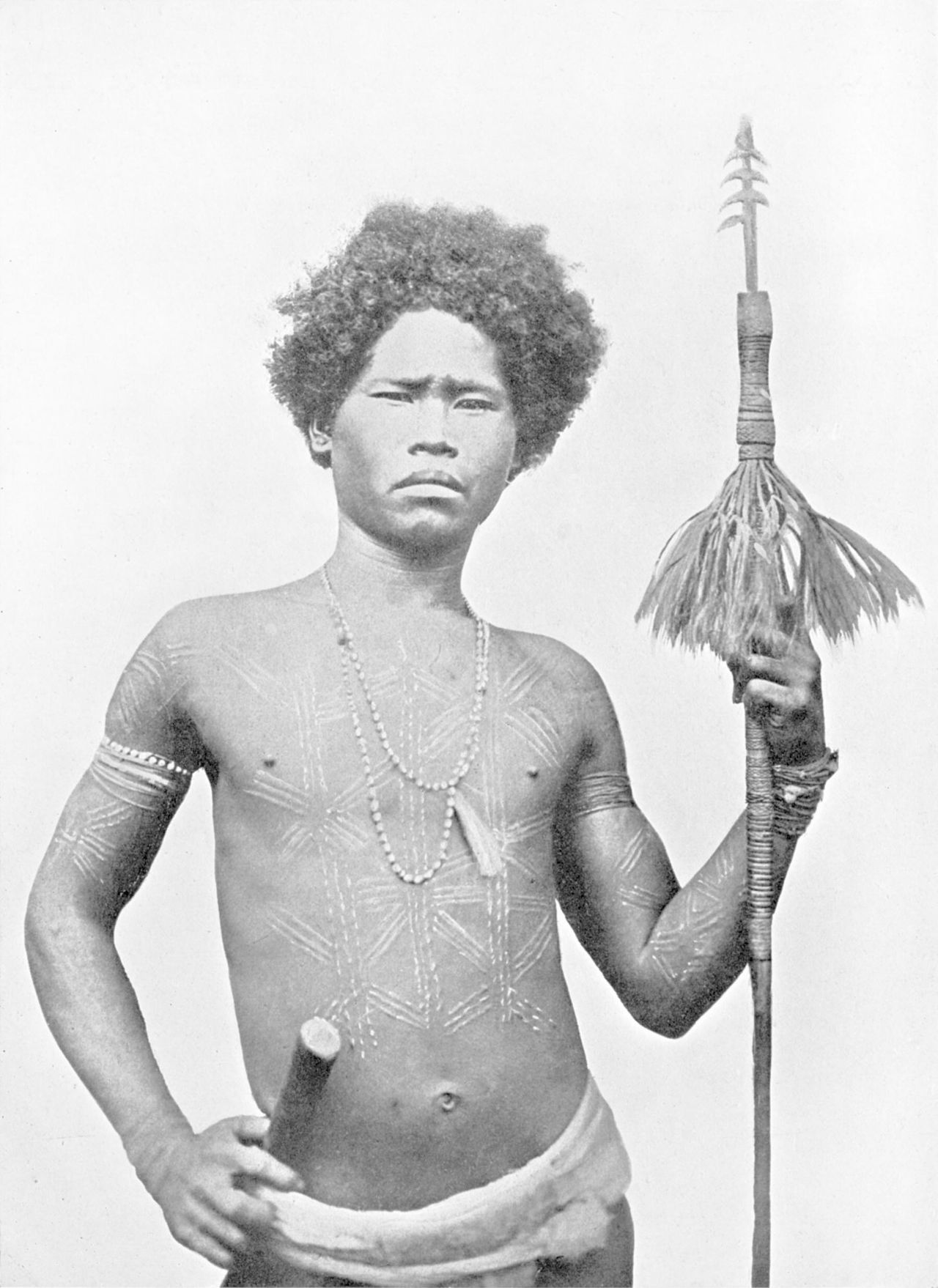
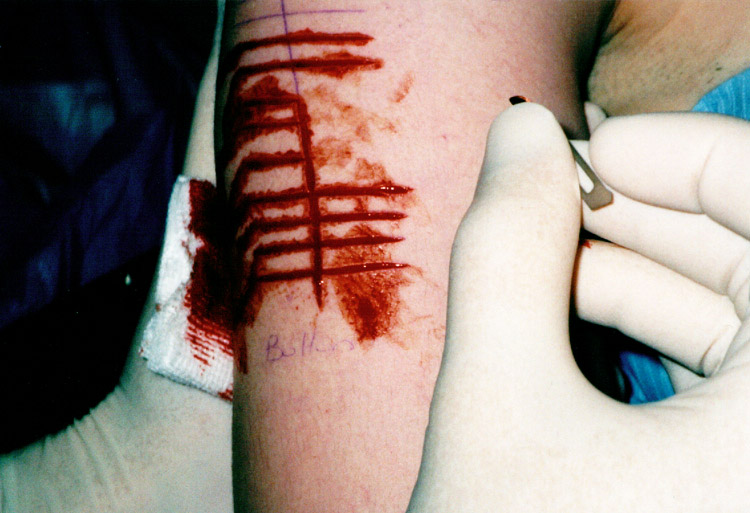
Scarification (also called cicatrization) is the deliberate creation of scars on the human body to form a pattern, image, or texture. It is a form of body modification that changes the appearance of skin permanently. Like tattooing, scars produced by intentional wounding remain for life in most cases, but they differ in visual character and in how they form. Scarification may be undertaken for social, religious, aesthetic, or personal reasons and has a distinct set of techniques, healing processes, and risks.
Image gallery
7 Images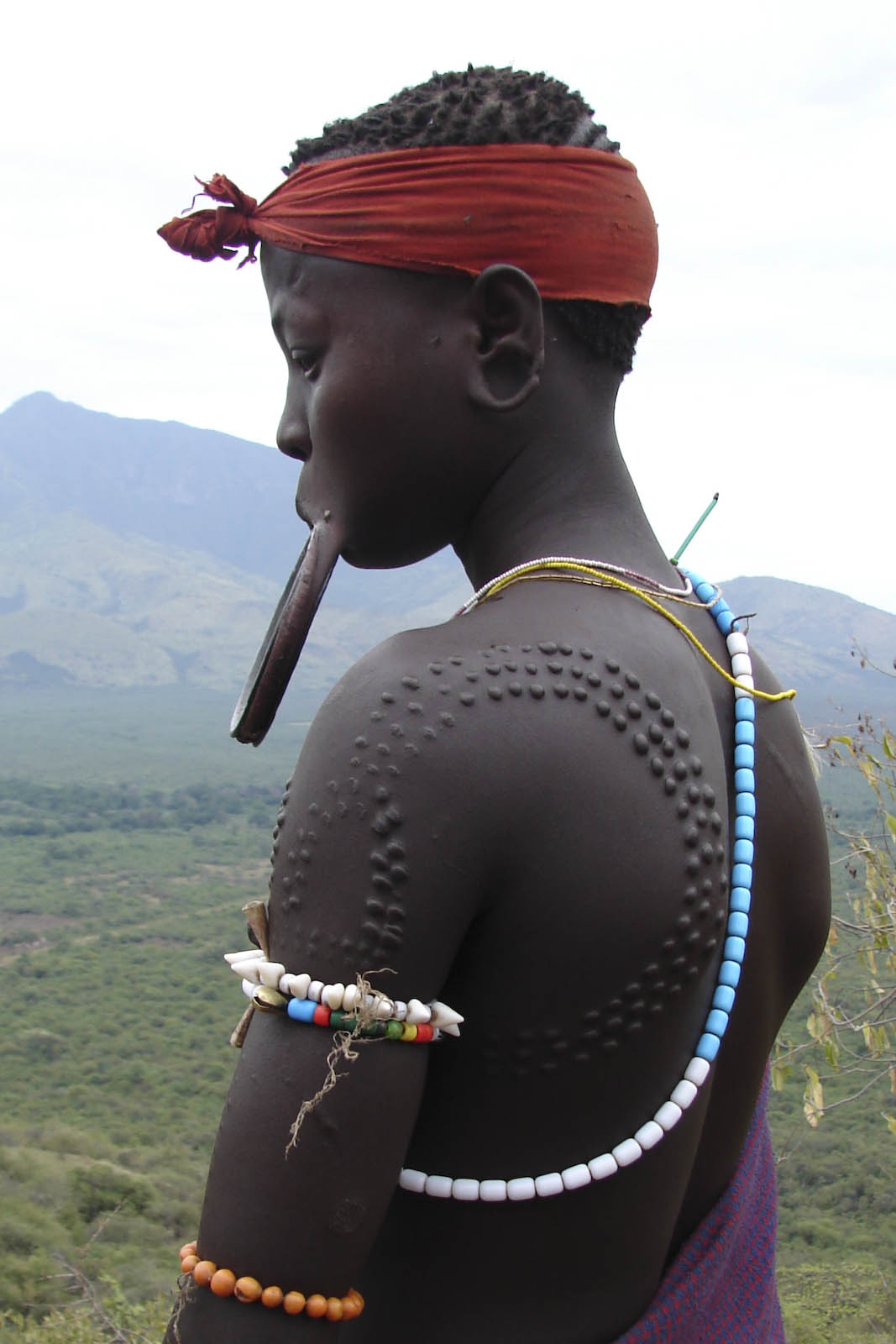


Methods and characteristics
Practitioners create scar patterns by controlling the way the skin is wounded and how it heals. Common techniques include:
- Incision or cutting: carefully slicing the surface of the skin to create lines or shapes that will scar.
- Abrasion: rubbing or scraping the skin until the desired depth prompts a scarred texture.
- Subcutaneous patterning: placing material under the skin to raise scars or influence the scar's shape.
- Branding: applying heat to burn the skin and generate scar tissue.
Because scarification alters tissue rather than depositing pigment, its visual results can range from subtle raised scars to bold, contrasting marks. Some compare the practice to tattooing, but results and procedures are materially different — scar tissue reflects light and ages differently than inked skin.
History and cultural context
Scarification has a long history in diverse regions. In many communities it served as a visible marker of identity and social status. For example, the practice has traditional roots among the Maori and various African societies, where specific patterns could indicate clan membership, achievements, or rites of passage. In other cultures scarification has been associated with religious devotion, protection, or healing rituals. In modern contexts some people revive or reinterpret these traditions as part of cultural continuity or personal heritage, while others adopt scarification within contemporary artistic or subcultural practices. Scholars and participants discuss these meanings in social and historical terms, and the practice is best understood within the local cultural framework where it appears (cultural identification).
Reasons, meanings, and contemporary practice
Motivations for scarification are varied: ceremonial rites, aesthetic preference, body autonomy, symbolic storytelling, or a desire for a permanent, tactile form of adornment. Some people describe intense physical sensation and endorphin responses during the procedure, which becomes part of its appeal. Others use scarification to transform or conceal previous wounds. In contemporary body-modification communities, artists refine techniques and styles, combining traditional motifs with new forms. Practitioners and clients often discuss scarification in terms of identity, empowerment, and creative expression (aesthetics).
Health, safety, and legal considerations
Scarification involves breaking the skin and therefore carries health risks. Common concerns include:
- Infection from nonsterile tools or poor aftercare.
- Excessive scarring, hypertrophic scars, or keloid formation in susceptible individuals.
- Bloodborne infections if standard precautions are not followed.
- Pain, prolonged healing, and unpredictable cosmetic outcomes.
Responsible practice emphasizes sterile technique, informed consent, medical screening for conditions that affect healing, and clear aftercare instructions. Regulations and social acceptance vary by jurisdiction; some places regulate or prohibit procedures performed outside licensed medical settings. Anyone considering scarification should consult experienced, reputable practitioners and, when appropriate, medical professionals.
Distinctions and notable points
Scarification is distinct from self-harm: while both involve intentional injury to the body, scarification is generally performed with deliberate aesthetic or social intent and with planned healing in mind; self-harm is typically associated with coping behaviors and mental health distress. Nevertheless, the two can overlap, and practitioners should be attentive to the client's motivations and wellbeing. The permanence and variability of scars make scarification a powerful but irreversible form of bodily alteration; its meanings and reception depend strongly on cultural context, personal intention, and the skill of the practitioner.
For more on how scarification is practiced, regulated, and understood across cultures and contemporary communities, consult specialist resources and community guidelines hosted by health and body-modification organizations (see resources, healing guidance, comparative arts, ethnographic studies, Maori traditions, African contexts, aesthetic discussions).
Related articles
Author
AlegsaOnline.com Scarification: cultural practice, methods, meanings, and risks Leandro Alegsa
URL: https://en.alegsaonline.com/art/87793
Sources
- bizarremag.com : "Bizarre Magazine: Self Harm Cover-ups"
- news.nationalgeographic.com : "National Geographic: Scarification: Ancient Body Art Leaving New Marks"