
Banja Luka: city, history and cultural centre of Republika Srpska
Banja Luka is the second‑largest city in Bosnia and Herzegovina, an administrative and cultural hub in the northwest, known for the Vrbas river, Kastel fortress and thermal springs in Gornji Šeher.
Overview
Banja Luka is a major city in the western part of Bosnia and Herzegovina, situated on the banks of the Vrbas river. It serves as the administrative centre of the entity Republika Srpska and functions as the principal economic and cultural hub of the Bosanska Krajina region. With an elevation close to 163 m and a municipal area of about 1,238.91 km², the city reported 185,042 inhabitants at the 2013 census.
Image gallery
10 Images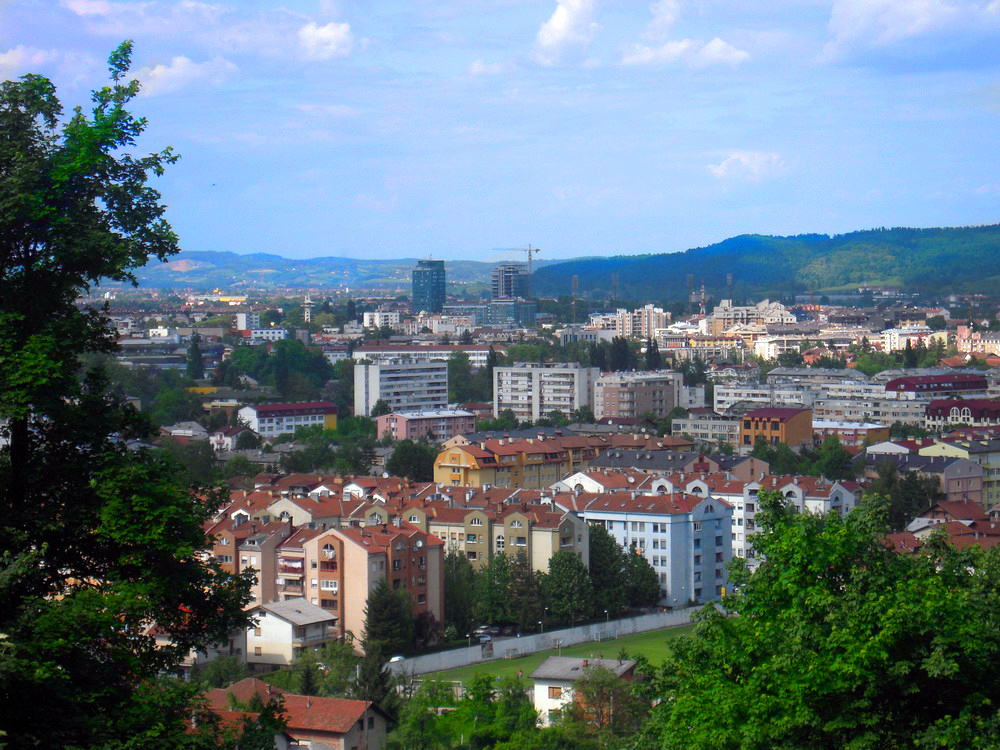


Geography and urban character
Banja Luka lies in a river valley framed by gentle hills and is traversed by the Vrbas, which has shaped the city’s layout and public spaces. The urban area combines older neighbourhoods, industrial zones and newer residential districts. The district includes thermal springs and several green parks; the oldest settlement area is known as Gornji Šeher. The local climate is transitional—mild continental with warm summers and cool winters—making the riverside and park areas important for leisure and tourism.
Historical development
The site of Banja Luka has been inhabited since antiquity. In the Roman era the region was part of the province of Illyricum and lay on a route connecting the Adriatic coast with the Pannonian plain; remains and traditions associate the early fortified point with a military presence and river crossing near what is now the Kastel citadel. From the early medieval period Slavic peoples settled the area in the sixth and seventh centuries, establishing fortified local centres in the Vrbas valley. Written mentions of a settlement called Vrbas appear in medieval records, while the name "Banja Luka" is first attested in a 1494 document linked to King Vladislav. The toponym reflects the long local association with thermal baths: "banja" (bath/spa) and related forms appear in South Slavic and Ottoman-era usage.
Culture, economy and civic life
Banja Luka is known for a varied cultural life—museums, galleries, theatres and seasonal festivals contribute to its role as a regional centre. Its economy combines light industry, trade, public administration and services; river tourism and visits to historic sites are a visible part of the local tourist offer. Educational institutions, including secondary schools and faculties, support a diverse professional community. Civic landmarks include the Kastel fortress, riverside promenades and several religious and historic buildings.
Notable features and distinctions
- Kastel citadel: a historic fortified site occupying a central position that recalls the city’s Roman and medieval past and is a focal point for visitors and local events.
- Thermal springs and Gornji Šeher: natural warm waters near the oldest quarter have influenced settlement and the city’s name and continue to be a local feature.
- Regional role: as the second-largest city in the country, Banja Luka plays an outsized part in the administration, culture and economy of northwestern Bosnia.
Further reading and practical information
For general orientation see municipal and regional summaries, travel guides and academic treatments of Bosnian urban history. Visitor information typically highlights riverside walks, museum visits and day trips to surrounding hills. For administrative, historical and transport details consult official city pages and regional resources connected to civic authorities and cultural institutions: Illyrian history, Dalmatian routes, Kastel, Slavic settlement, the Balkans. Additional background and archives can be sought via scholarly or municipal portals: 6th century references, 7th century sources, Ottoman linguistic context, Gornji Šeher springs.
Related articles
Author
AlegsaOnline.com Banja Luka: city, history and cultural centre of Republika Srpska Leandro Alegsa
URL: https://en.alegsaonline.com/art/8750
Sources
- nasbih.com : "Nezavisna Agencija za Statistiku Bosne i Hercegovine, Službeni grad Banja Luka"
- banjaluka.rs.ba : General information about Banja Luka, http://www.banjaluka.rs.ba/