
Bannu District, Khyber Pakhtunkhwa
Bannu District is an administrative district in southern Khyber Pakhtunkhwa, Pakistan, centered on the city of Bannu. It is known for its Pashtun culture, agricultural plains, and frontier history.
Overview: Bannu District is an administrative district in southern Khyber Pakhtunkhwa, in the northwestern country of Pakistan. The district takes its name from and is administered from the city of Bannu, which serves as the regional market and service center. The district blends urban and rural settlements and functions as a local hub for surrounding agricultural areas.
Image gallery
4 Images


Geography and environment
Bannu lies in a broad basin that has traditionally supported farming and seasonal markets. The terrain includes cultivated plains, dry uplands, and seasonal riverbeds. Climate is generally arid to semi‑arid with hot summers and cool winters, which shapes cropping patterns and water use across the district.
Administration and population
The district is organized around the main city and several smaller towns and villages. Its inhabitants are predominantly ethnic Pashtuns who speak Pashto and retain strong tribal and local traditions. Local government institutions manage civic services, education, and rural development while the city provides higher‑order services such as trade, health, and finance.
History and cultural identity
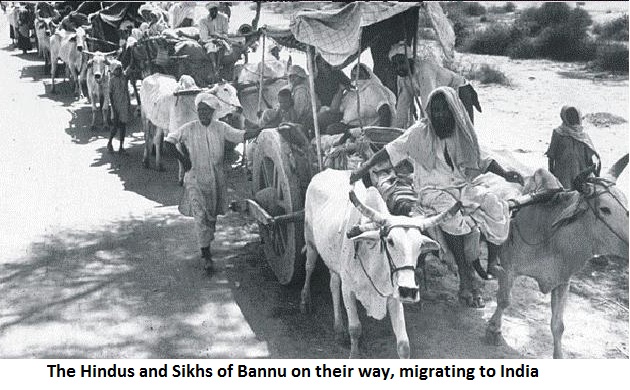
Bannu has long been part of the Pashtun cultural frontier of the northwest. Over centuries the area has experienced influence from regional empires and, in more recent times, from colonial and national administrations. Local culture emphasizes Pashto language, oral poetry, traditional music, and communal gatherings associated with tribal and village life.
Economy and significance
Agriculture and local commerce are central to daily life: markets in the city and towns trade foodstuffs, textiles, and household goods. The district also plays a role as a transit and service corridor between neighboring districts and tribal areas. Development priorities commonly cited for the region include water management, education, healthcare, and improved transport links.
Notable facts
- Bannu serves as the administrative and commercial center of the district (district overview).
- The area is a focal point for Pashtun cultural traditions and local governance practices.
- Its location makes it important for regional trade and access to nearby highland and frontier areas.
Related articles
Author
AlegsaOnline.com Bannu District, Khyber Pakhtunkhwa Leandro Alegsa
URL: https://en.alegsaonline.com/art/8793