
Banks Island
Large Arctic island in the Northwest Territories, Canada. Remote tundra landscape, important wildlife habitat, home to Aulavik National Park and the community of Sachs Harbour.
Overview
Banks Island lies in the western Canadian Arctic at about 73°N, 121°30′W. It is one of the larger islands of the Canadian Arctic Archipelago and is administratively part of the Inuvik Region of the Northwest Territories in Canada. The island is remote, sparsely inhabited, and characterized by Arctic tundra, continuous permafrost and a short summer season.
Image gallery
5 Images


Geography and surroundings
The island sits northwest of the mainland and is bordered by several important waterways. To the east it is separated from Victoria Island by the Prince of Wales Strait; to the south the Amundsen Gulf opens toward the mainland; the western shores meet the Beaufort Sea; and to the northeast the McClure Strait lies between Banks Island and islands such as Prince Patrick and Melville. The coastline is irregular with bays, inlets and low-lying coastal plains.
Environment and wildlife
Banks Island supports tundra ecosystems dominated by low shrubs, mosses and lichens. It provides habitat for several Arctic species: muskoxen and migratory birds are common in summer, and polar bears occur along the coasts and on pack ice. The island's northern areas include protected terrain where wildlife congregate during the brief productive season.
Human presence and history
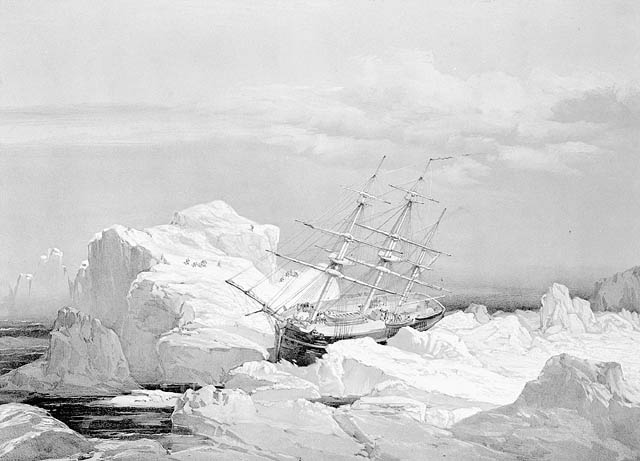
Indigenous Inuvialuit people have used the island and surrounding waters for centuries for hunting and travel. The island carries a European name honoring the naturalist Sir Joseph Banks. Today, Sachs Harbour is the main permanent settlement on Banks Island and serves as a base for local residents, seasonal hunters and some researchers. Historical interest also stems from Arctic exploration and the search for routes through the archipelago.
Conservation, uses and notable facts
Portions of Banks Island are set aside for conservation and research, including areas within Aulavik National Park which protect key wildlife habitats and archaeological sites. Human activity is limited by the harsh climate and logistics; traditional subsistence harvests, scientific studies and controlled tourism are the principal uses. The island illustrates broader Arctic issues such as permafrost stability, shifting sea ice and the conservation of migratory species.
Quick facts
- Part of the Canadian Arctic Archipelago.
- Located in the Inuvik Region of the Northwest Territories, Canada.
- Western shore faces the Beaufort Sea.
- Main settlement: Sachs Harbour; notable protected area: Aulavik National Park.
Related articles
Author
AlegsaOnline.com Banks Island Leandro Alegsa
URL: https://en.alegsaonline.com/art/8777