
Banks, Idaho
Banks is a small census-designated place in Idaho, United States. This article describes its status as a CDP, typical characteristics, historical context, local economy, and notable features.
Overview
Banks is a small community designated as a census-designated place (CDP) in the state of Idaho within the United States. As a CDP the area is recognized for statistical purposes by national censuses but is not an incorporated municipality with its own government. Communities like Banks are typically rural, with residential clusters, local businesses, and surrounding open land.
Image gallery
1 Image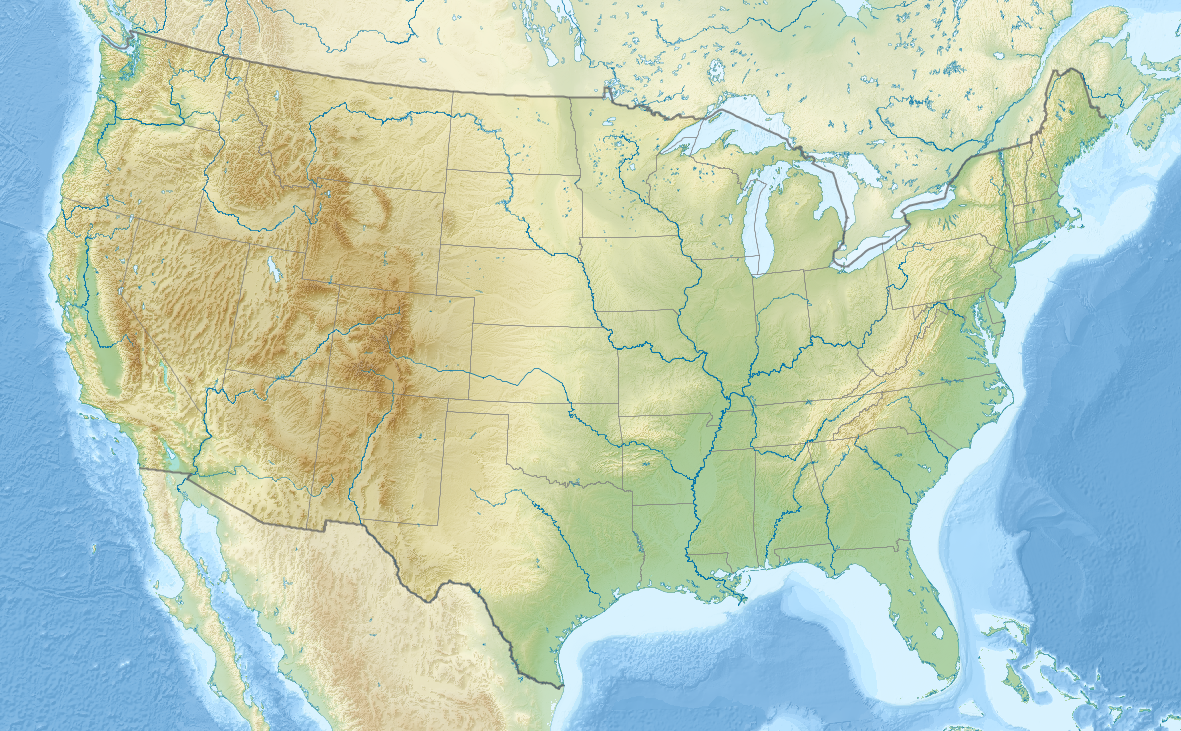
Characteristics
Places classified as CDPs generally share several traits: limited local government services, small or sparse populations, and a reliance on nearby towns or county administrations for schools, emergency services, and utilities. Banks likely reflects these patterns, offering a quiet residential character and access to nearby natural resources and outdoor opportunities. The name may appear on postal addresses and maps despite the absence of a municipal council.
History and development
Many Idaho communities grew during the 19th and early 20th centuries with ties to mining, logging, ranching, or rail and river transport. While specific founding details vary, places like Banks often developed where transportation routes, timber stands, or fertile valleys made settlement practical. Over time, some retained small-year-round populations while others became seasonal or recreation-focused.
Economy and local life
Rural CDPs typically have economies linked to agriculture, timber, outdoor recreation, or commuting to larger towns. Residents of Banks may work in nearby service centers, manage small businesses, or participate in recreation-based industries. Local life often centers on community institutions, informal gatherings, and the natural landscape.
Governance and data
Because Banks is a CDP, administrative and planning functions fall to county or state agencies rather than a municipal government. Demographic and economic details are collected by census authorities; for an official definition see the entry for census-designated place.
Notable facts and distinctions
- CDP status is a statistical designation, not a measure of size or importance.
- Such communities often serve as gateways to nearby natural areas and recreational sites.
- Local identity may be strong despite limited formal government structure.
Tags
Related articles
Author
AlegsaOnline.com Banks, Idaho Leandro Alegsa
URL: https://en.alegsaonline.com/art/8776