
Sandalwood: species, uses, history and conservation
Sandalwood is fragrant heartwood and its oil, valued for perfume, ritual, carving and medicine; derived mainly from Santalum species across India, Australia, Indonesia and the Pacific.
Overview
Sandalwood is the common name for aromatic heartwood and the essential oil extracted from trees in the genus Santalum. These slow‑growing trees produce dense, fragrant wood that has been prized for millennia for its persistent, sweet, woody aroma. Important producing regions include India, Australia, Indonesia and various Pacific Islands. In parts of Southeast Asia the tree is known locally as Cendana.
Image gallery
8 Images





Characteristics and species
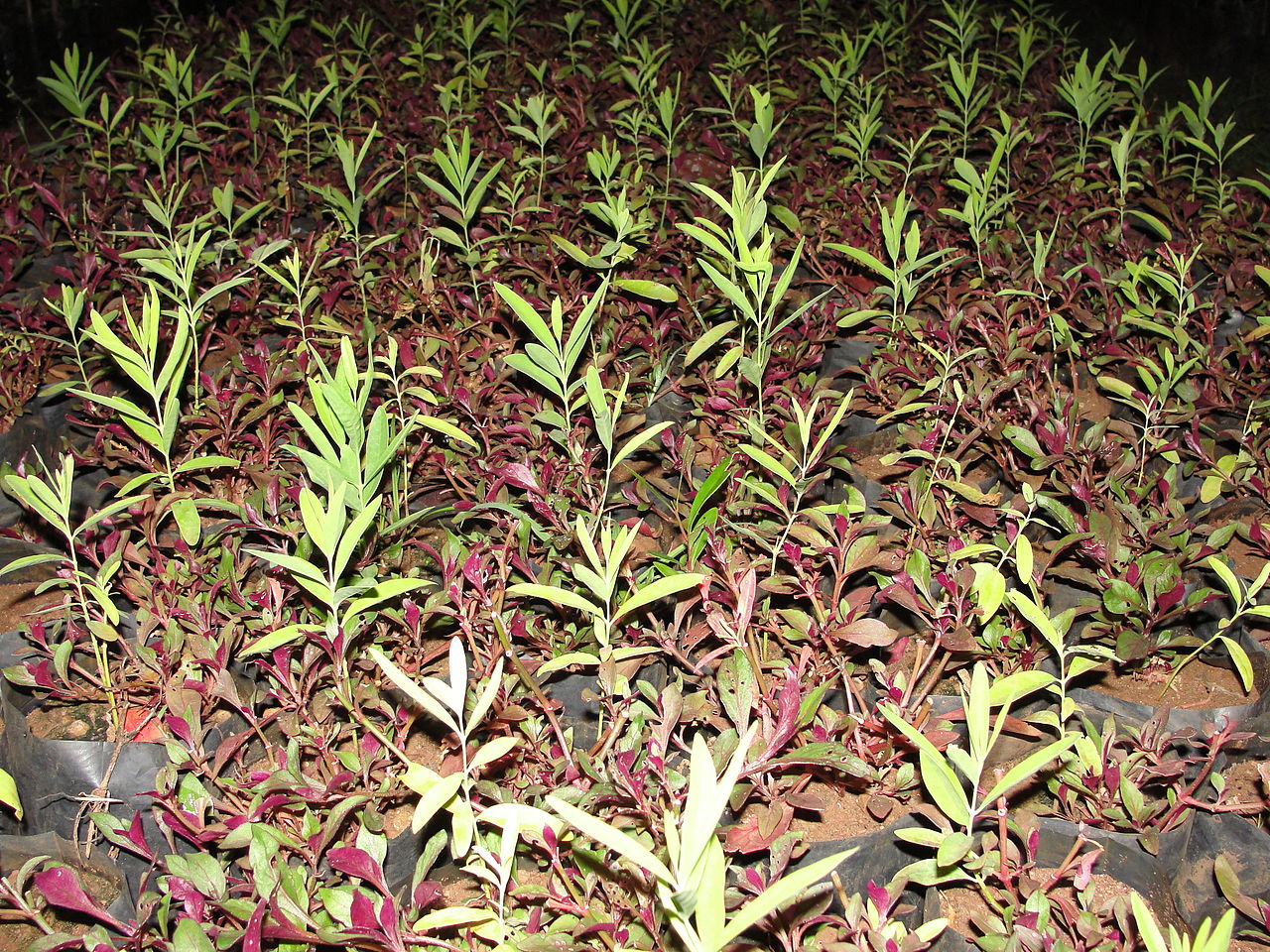
Sandalwood trees are hemi‑parasitic: young plants commonly attach to host roots to obtain water and nutrients. The valuable portion is the heartwood of mature trees, which contains concentrated aromatic compounds such as santalols that give sandalwood its distinctive scent. Several species are commercially important, especially Santalum species. Wood and oil are referred to simply as sandalwood or sandalwood oil in trade and perfumery.
History and cultural significance
Sandalwood has deep cultural roots. In India it has been used in religious rituals, traditional medicine and carving for centuries. The material was traded widely along ancient maritime routes to the Middle East, China and Southeast Asia and features in literature and temple art. Regional names and uses vary; for example, in Indonesia and Malaysia sandalwood has long local significance and trade connections.
Uses and products
The primary uses of sandalwood are:
- Perfumery and incense: oil and wood chips are burned or distilled for fragrance (perfume).
- Traditional medicine: employed in several systems for its scent and reputed topical properties (medicine).
- Carving and decorative uses: highly prized for small sculptures and inlay work due to fine grain and aroma.
- Essential oil: distilled from heartwood and used in cosmetics, aromatherapy and flavoring (oil).
Conservation, cultivation and management
Because high‑quality heartwood develops slowly, wild sandalwood populations have declined in many areas from overharvesting and habitat loss. Sustainable approaches include managed plantations, regulated harvesting, and community forestry schemes. Cultivation often requires knowledge of suitable host plants and long time horizons before significant heartwood forms.
Notable distinctions and facts
"Sandalwood" can denote both the raw wood (wood) and the extracted oil; regional nomenclature and quality grades vary. Production centers differ in the scent profile of their oils. The name also appears in other contexts — for example, the popular film industry of Karnataka is colloquially called Sandalwood (cinema). For further general information see regional references and botanical sources India, Indonesia and conservation literature (Santalum summaries).
Related articles
Author
AlegsaOnline.com Sandalwood: species, uses, history and conservation Leandro Alegsa
URL: https://en.alegsaonline.com/art/86958