
Scottish Highland Dance
Solo, athletic dances from Scotland performed to bagpipe music, with precise footwork, traditional dress (kilts, Aboyne), and a global competitive tradition governed by standard bodies.
Overview
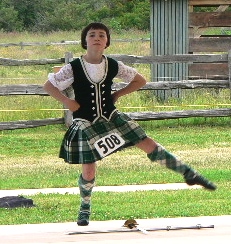
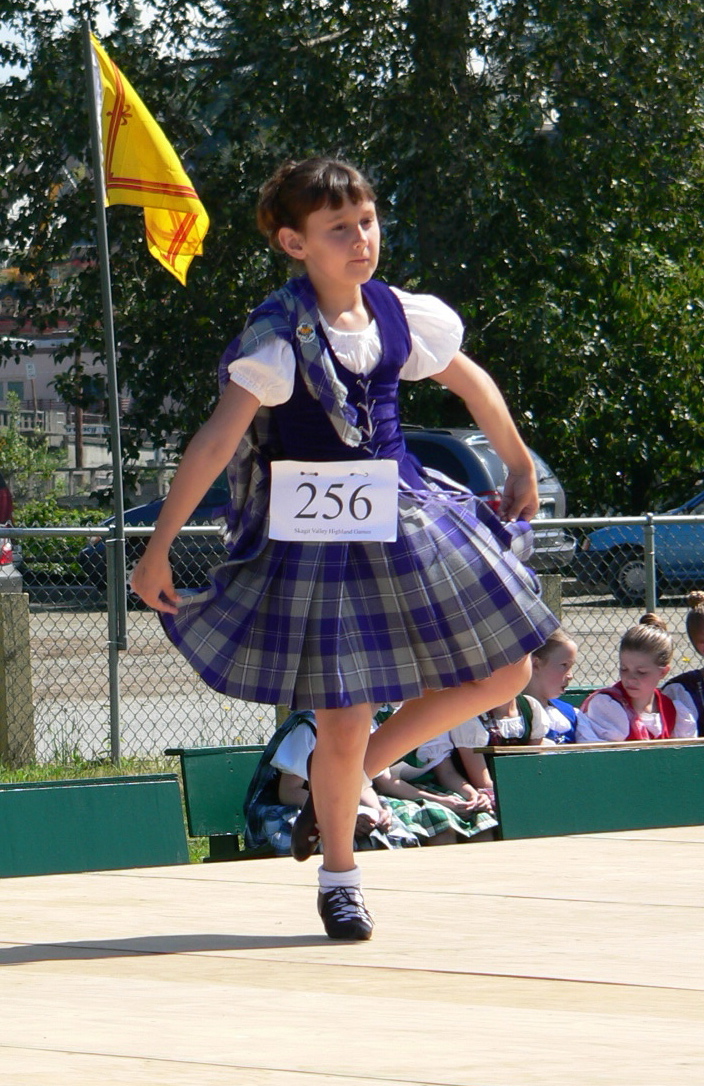
Scottish highland dance is a form of traditional solo dancing that developed in Scotland and is now practiced worldwide. It emphasizes clear technique, exaggerated posture, quick footwork and stamina. Performances are usually solo, judged on timing, precision and presentation, and are frequently seen at cultural festivals, parades and formal competitions. The tradition blends elements of folk movement with disciplined, staged choreography; it is both a social and highly athletic performing art. Traditional dance forms within this family trace their roots to Scottish communities and the military traditions of the Highlands, and the art remains closely associated with Scotland.
Image gallery
10 Images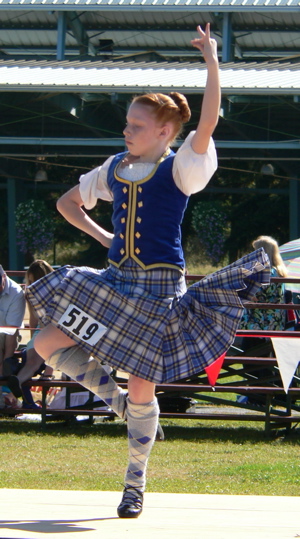






Characteristics and technique
Highland dancing requires strength, flexibility and cardiovascular fitness. Dancers practice controlled jumps, rapid footwork and precise arm positions while keeping a composed upper body. Attention to musical phrasing and rhythm is essential, and many movements are designed to display elevation, balance and quick changes of weight. Teachers emphasize clean execution of basic steps and an aesthetic that combines athleticism with grace; competitors are often scored on technique, timing and overall deportment. For discussion of aesthetics in instruction and presentation see related guidance.
Music, costume and equipment
The great Highland bagpipe is the traditional accompaniment for most dances, and piped music remains the preferred accompaniment in many contests and exhibitions. In some modern settings, recorded music or other instruments are used. Costumes vary by dance and gender: male dancers commonly wear kilts, jackets and sometimes hose, while female dancers may wear tailored jackets with kilted skirts or the Aboyne dress for certain dances. Footwear includes soft shoes known as ghillies or ghillie brogues suited to the style and steps.
History and development
Highland dances evolved over several centuries from communal Highland customs and martial displays. Over the 19th and 20th centuries these dances were standardized for public performance and competition. Governing organizations developed syllabi, exam systems and judging standards to preserve technique and ensure fair competition. This formalization helped spread the tradition beyond Scotland and encouraged structured teaching methods in schools and clubs.
Competitions and global reach
There is an active international competition circuit, with local and national events as well as major championships. Dancers travel for feiseanan and contests in many countries; strong communities exist in the United States, Canada and Australia, in addition to Scotland. Competitions typically separate participants by age and gender, and adjudication covers technique, timing, interpretation and costume. National and international bodies maintain rules and grade structures to support consistent standards.
Notable dances and distinctions
- Highland Fling — a showpiece solo dance emphasizing turning steps and elevation.
- Sword Dance (Ghillie Callum) — performed around crossed swords or mock blades, historically linked to military display.
- Seann Triubhas — a dance associated with tartan and cultural change, often performed with expressive legwork.
- Reel variations — fast-paced dances that highlight foot speed and musical interpretation.
While rooted in regional tradition, highland dancing today balances historical continuity with competitive and educational practices. Its combination of cultural identity, disciplined training and theatrical flair continues to attract practitioners and audiences around the world.
For further general information see organizations and resources that document technique, history and events: bagpipe and music sources.
Questions and answers
Q: What is Scottish highland dance?
A: Scottish highland dance is a traditional dance that originated in Scotland.
Q: What is required in order to perform highland dance?
A: Highland dancers need stamina, strength, and a good sense of aesthetics.
Q: What kind of music is played during highland dance performances?
A: Highland dancers perform to the sound of the great highland bagpipe.
Q: How precise do highland dances need to be?
A: Highland dances are very precise and require a lot of coordination.
Q: Are there competitions for highland dancing?
A: Yes, there are many competitions for highland dancing around the world, primarily in Scotland, United States, Canada, and Australia.
Q: Can highland dance be done in groups or only solo?
A: Highland dance is traditionally performed solo.
Q: What is the significance of highland dancing in Scottish culture?
A: Highland dancing is an important part of Scottish culture and heritage.
Related articles
Author
AlegsaOnline.com Scottish Highland Dance Leandro Alegsa
URL: https://en.alegsaonline.com/art/88136
Sources
- electricscotland.com : "Introduction"
- maccullochdancers.ca : "The History of Highland Dance"