
Sandpit (Sandbox): Children's Play Area and Its Uses
A sandpit (sandbox) is a shallow play area filled with sand for children's play. This article covers design, materials, location, play uses, maintenance, safety and notable distinctions.
A sandpit, commonly called a sandbox, is a shallow, contained play area filled with loose sand intended primarily for children's play. The basic idea is simple: provide a tactile medium that supports digging, molding, pouring and imaginative construction. The term can refer to a purpose-built box or a prepared ground surface; for a concise definition see small play area.
Image gallery
2 Images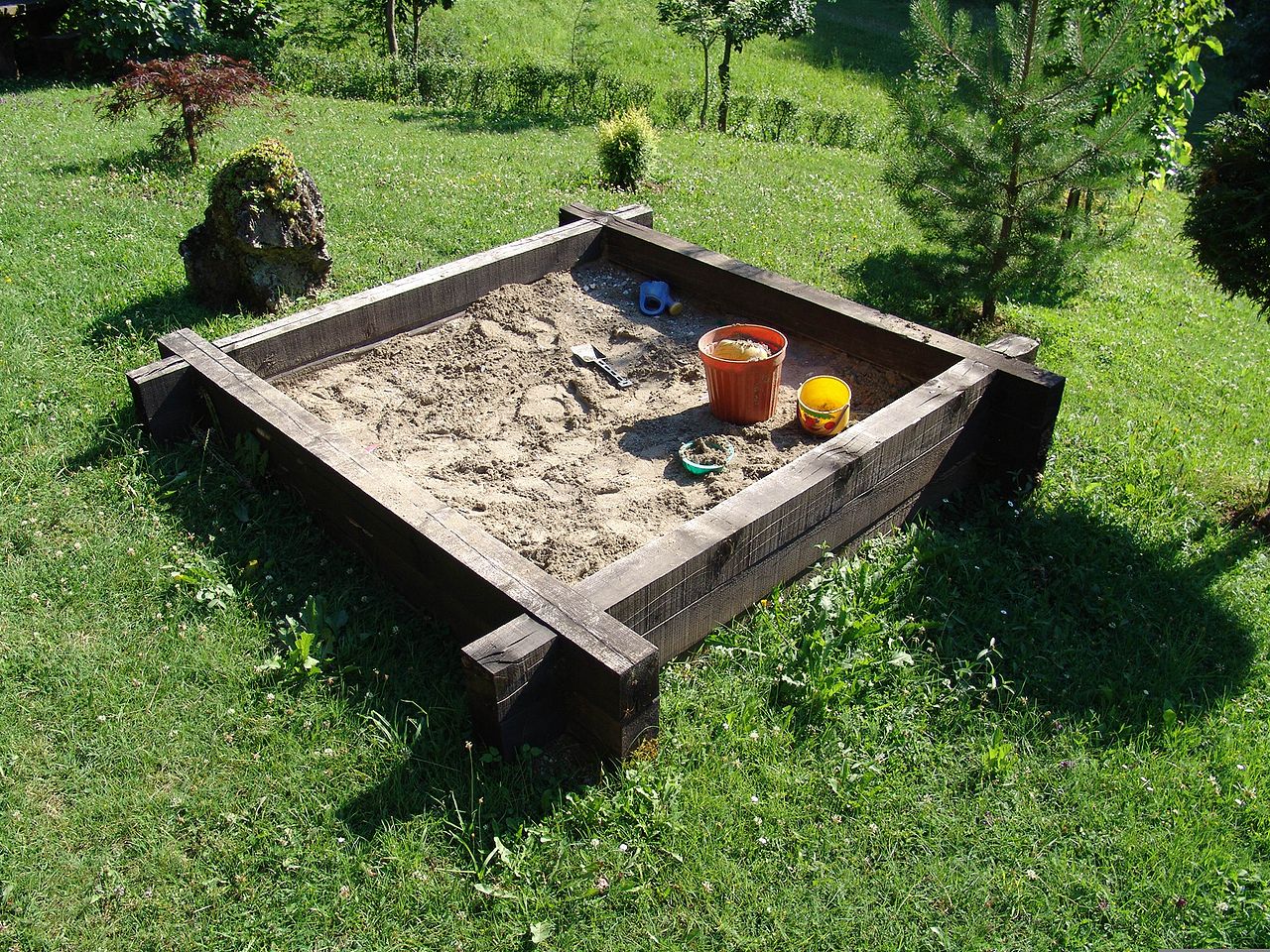

Characteristics and common designs
Sandpits vary in shape and materials but share a few core features: a boundary to contain sand, a level base to support play, and some way to cover or protect the sand when not in use. Typical attributes include:
- Shapes: many are rectangular boxes, though circular, hexagonal and novelty outlines exist.
- Materials: traditional models use timber frames wooden sides, while modern kits are often molded from durable plastic or built with composite materials.
- Size and depth: domestic sandpits are usually sized for a few children; public or school installations are larger.
- Sand type: play sand is washed and screened to reduce dust and debris, making it safer and more pleasant to use.
History and development
Sand play has long been part of informal childhood and was later incorporated into playground design as educators recognized its value for sensory development and creativity. Sandpits became common in home gardens and playgrounds over the 20th century as affordable kits and community playground projects spread.
Where sandpits are found and how they are used
Sandpits are installed in private gardens outdoors, on school playgrounds and at childcare centres; many families keep one at home near the house. Children use sand to build sandcastles and sculptures, practice pouring and measuring, and role-play construction or cooking. For ideas about sand-based activities, see common uses like making sandcastles and sensory games.
Maintenance, safety and animal issues
Keeping sandpit play hygienic requires regular attention: cover the pit when not in use, rake or sift the sand, top up or replace sand periodically, and inspect for sharp objects. A frequent problem is that outdoor sand attracts animals; cats and other wildlife may use an uncovered pit as a litter area, contaminating the sand and posing health risks—this is a well-known concern about animals around sandpits.
- Routine steps: cover, clean, and refresh sand; discourage pets from accessing the pit.
- Design choices: raised bases and fitted lids help drainage and prevent wildlife intrusion.
Notable distinctions
Terminology and style vary by region: "sandpit" is more common in some English-speaking countries, while "sandbox" is widely used in others. Some modern playgrounds substitute loose sand with sensory-safe alternatives (rubber mulch or engineered play media) for accessibility and maintenance reasons. For further reading on specifications and local guidance, consult manufacturers, playground standards and community resources definition and guidance.
For manufacturers, installation examples and product options you can explore catalogs and guides that compare materials, sizes and accessories such as covers, seats and integrated play features timber, plastic and other options are commonly shown in such resources. Retail and educational suppliers often provide planning tips for safe placement and upkeep designs.


Beach Volleyball
The frame that holds together the playing field for beach volleyball, built on a solid surface of sand, is somewhat jokingly called the sandbox. This frame usually carries a board, possibly with advertising, and a net above it to hold back the ball.
About 150 t of washed quartz sand with a maximum grain size of 0.1 mm are used for a beach volleyball court.
Author
AlegsaOnline.com Sandpit (Sandbox): Children's Play Area and Its Uses Leandro Alegsa
URL: https://en.alegsaonline.com/art/86987