
Sammy Lee (diver)
Sammy Lee (1920–2016) was a Korean American diver and physician, the first Asian American to win Olympic gold for the United States; he won back-to-back platform titles in 1948 and 1952 and later practiced medicine.
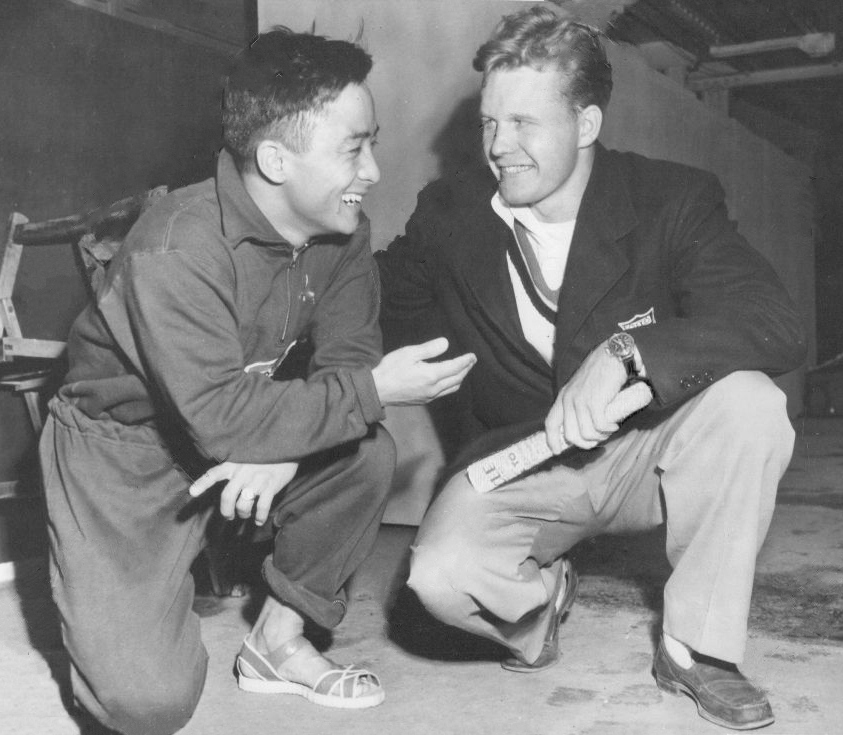
Samuel “Sammy” Lee (August 1, 1920 – December 2, 2016) was a Korean American diver and physician best known for winning consecutive Olympic gold medals in the 10 metre platform and for his role in expanding opportunities for Asian American athletes. Born in Fresno, California, and raised in San Francisco, Lee combined elite athletic achievement with medical training and a long professional career. His accomplishments in sport and medicine made him a widely respected figure in mid‑20th century American life.
Image gallery
3 Images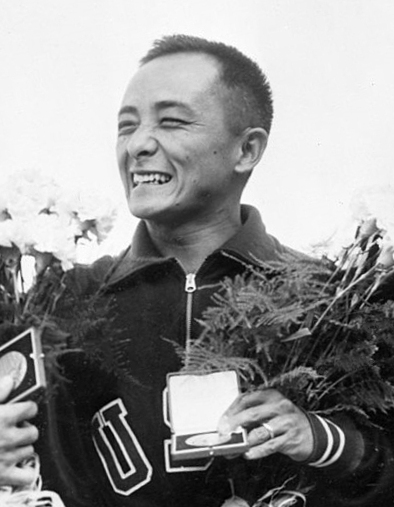
Early life and education
Lee was born to Korean immigrant parents in California and grew up at a time when Asian Americans frequently faced social and institutional barriers. He attended Occidental College and later continued studies at the University of Southern California, where he pursued medical training while maintaining a demanding schedule of athletic practice. After completing his medical education, he entered clinical practice; he trained and worked as a physician while remaining connected to the diving community.
Competitive diving career
Lee rose to national and international prominence as a platform diver. At the 1948 Olympic Games in London he won the gold medal in the platform event, becoming the first Asian American to win an Olympic gold medal for the United States. He repeated this success at the 1952 Olympic Games in Helsinki, defending his platform title and becoming the first man to win back‑to‑back Olympic golds in that event. His international medals and national championships established him as one of the leading divers of his era.
Technique, training and significance
Known for disciplined practice, clean form and controlled water entries, Lee emphasized fundamentals, repetition and conditioning. He trained in a period before many modern training facilities and sports science advances, which made his consistency and longevity notable. Beyond his medals, Lee’s prominence helped challenge racial stereotypes in American sports and served as inspiration for younger athletes from diverse backgrounds seeking to compete at high levels.
Medical career and later activities
After retiring from elite competition, Lee continued his medical practice for many years and remained active as a mentor, coach and public advocate for sport. He balanced a professional career in medicine with occasional involvement in diving instruction and community programs. Over time he received recognition and honors for both his sporting achievements and his contributions to public life.
Later life and legacy
In later years Lee experienced health problems, including dementia and heart disease, and he died of complications from pneumonia on December 2, 2016, at his home in Newport Beach, California, at age 96. Obituaries and retrospectives highlighted not only his two Olympic titles but also his significance as a pioneer for Asian American athletes and as an example of someone who combined sporting excellence with professional service.
Further reading and resources
- Olympic profile and competition record
- Biographical overview and family background
- 1948 London Games account of platform diving
- 1952 Helsinki Games account of platform diving
- Discussion of diving technique and training methods
- Context on Asian American athletes in U.S. sport
- Information on Fresno and early years
- Overview of places Lee lived and worked
- Occidental College connections and alumni notes
- Historical narrative of American diving
- Notes on Lee's medical studies and training
- Reports and discussions of health in later life
- Recognitions, honors and hall of fame entries
- Photographs, media and archival materials
- Obituaries, memorials and retrospectives
This entry provides an overview of Sammy Lee’s life as an athlete and physician. For more detailed study consult the listed resources, which include competitive records, biographical material and historical context about diving and Asian American participation in sport.
Related articles
Author
AlegsaOnline.com Sammy Lee (diver) Leandro Alegsa
URL: https://en.alegsaonline.com/art/86694
Sources
- cnn.com : After 60 years, Olympians are fast friends again
- swimmingworldmagazine.com : "Diving Legend Sammy Lee Passes Away At Age 96"