
Samuel Beckett: life, works, and influence
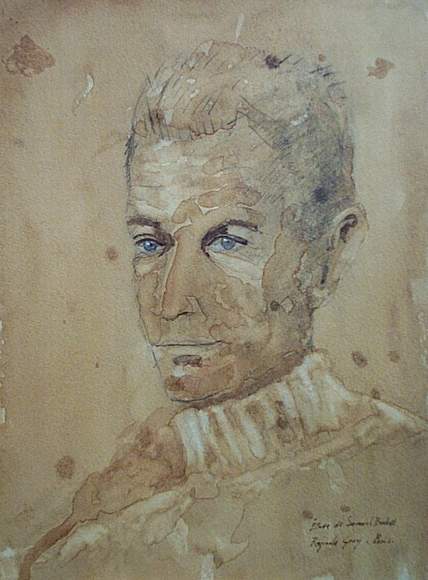
Samuel Beckett (1906–1989) was an Irish-born writer and playwright whose spare, bleakly comic work reshaped modern theatre and literature; he won the Nobel Prize in Literature in 1969.
Overview
Samuel Beckett was born in Dublin, Ireland, on 13 April 1906 and died in Paris on 22 December 1989. He is best known as a novelist, playwright, poet and translator whose austere and often darkly humorous works helped define postwar theatre. In 1969 he received the Nobel Prize in Literature.
Image gallery
10 Images




Life and career
Beckett studied at Trinity College Dublin and spent much of his adult life in continental Europe, particularly Paris. Early in his career he worked closely with contemporaries such as James Joyce and later shifted from writing in English to producing many important works originally in French, which he often translated himself. During the Second World War he supported the French Resistance and afterward remained based in France, preferring a degree of privacy and a life devoted to writing.
Major works and style
His most famous play, Waiting for Godot, is a cornerstone of modern drama and an exemplar of what critics called the "Theatre of the Absurd." Other notable stage pieces include Endgame, Krapp's Last Tape and Happy Days. His major prose works include the novels Molloy, Malone Dies and The Unnamable, which form a loosely connected trilogy. Beckett's style is marked by linguistic precision, minimal action on stage, sparse settings, repetition and silences that foreground the limits of language and human understanding.
Themes, techniques and translations
Recurring themes in Beckett's writing are isolation, memory, the struggle for meaning, physical decline and the interplay of comedy and despair. He often experimented with point of view and form to reflect inner consciousness. In addition to his original texts, Beckett translated and revised works for stage and page, refining his use of both English and French and influencing generations of translators and playwrights.
Legacy and notable facts
Beckett is widely regarded as one of the most important writers of the twentieth century; his work continues to be studied and frequently produced around the world. He survived a stabbing attack in Paris in 1938 and later suffered from respiratory illness, dying of complications related to emphysema in 1989. Scholars have written extensively about his contribution to modern drama and narrative, and critics often place him with other leading mid‑century figures of literary experimentation in the 20th century.
Selected works
- Waiting for Godot (play)
- Molloy; Malone Dies; The Unnamable (novels)
- Endgame; Krapp's Last Tape; Happy Days (plays)
- Collected Poems and various translations and essays
Beckett's restrained, often enigmatic voice and his precise stage directions changed expectations about what drama could do, encouraging a theatre that embraces silence and uncertainty as dramatic resources.
Questions and answers
Q: Who was Samuel Beckett?
A: Samuel Beckett was a writer from Dublin, Ireland who wrote books, plays, and poetry.
Q: What is Samuel Beckett's most famous play?
A: Samuel Beckett's most famous play is "Waiting For Godot".
Q: What award was Samuel Beckett given in 1969?
A: Samuel Beckett was given the Nobel Prize for Literature in 1969.
Q: Where was Samuel Beckett born?
A: Samuel Beckett was born in Dublin, Ireland.
Q: When did Samuel Beckett die and from what?
A: Samuel Beckett died in 1989 in Paris from emphysema.
Q: What was Samuel Beckett's writing style?
A: Samuel Beckett's writing style often explored dark and sad themes, but also had humor mixed in.
Q: What happened to Samuel Beckett in 1938?
A: Samuel Beckett was stabbed in Paris in 1938.
Related articles
Author
AlegsaOnline.com Samuel Beckett: life, works, and influence Leandro Alegsa
URL: https://en.alegsaonline.com/art/86738
Sources
- hrc.utexas.edu : "Fathoms from Anywhere – A Samuel Beckett Centenary Exhibition"
- nytimes.com : "The Letters and Poems of Samuel Beckett"