
Ballroom dance: styles, history, competitions and social practice
Overview of ballroom dance: principal styles (Standard/Modern and Latin), key dances, history, competitive rules, social uses, major figures and distinctions between international and national systems.
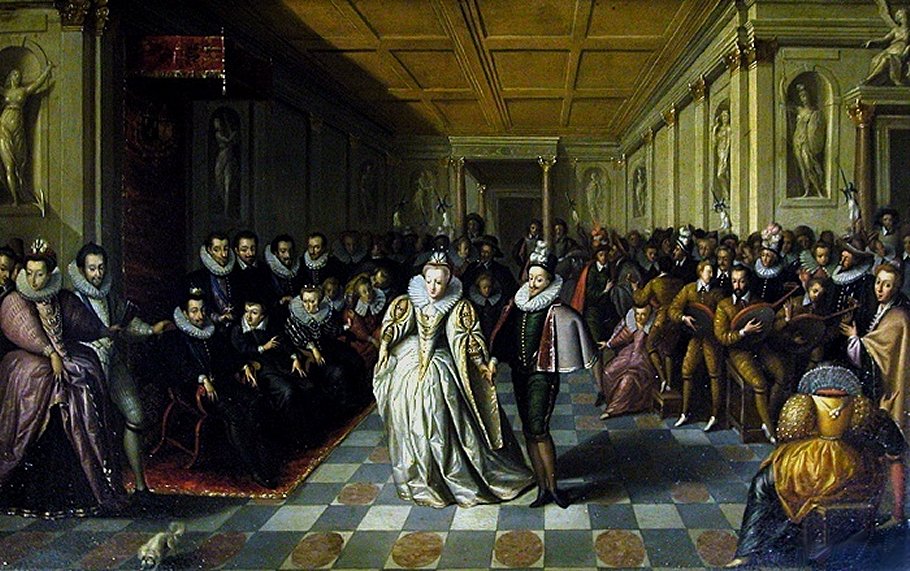
Ballroom dance is a family of partner dances traditionally performed by couples on a shared dance floor in a ballroom setting. The term covers a broad range of partnered dances and social forms; see general dances for related genres. Partners are most commonly a man and a woman, though modern practice welcomes same-sex and other pairings. Ballroom emphasizes connection, musicality and floorcraft — the skill of moving safely with other couples in the same space.
Image gallery
10 Images




Principal styles and characteristic dances
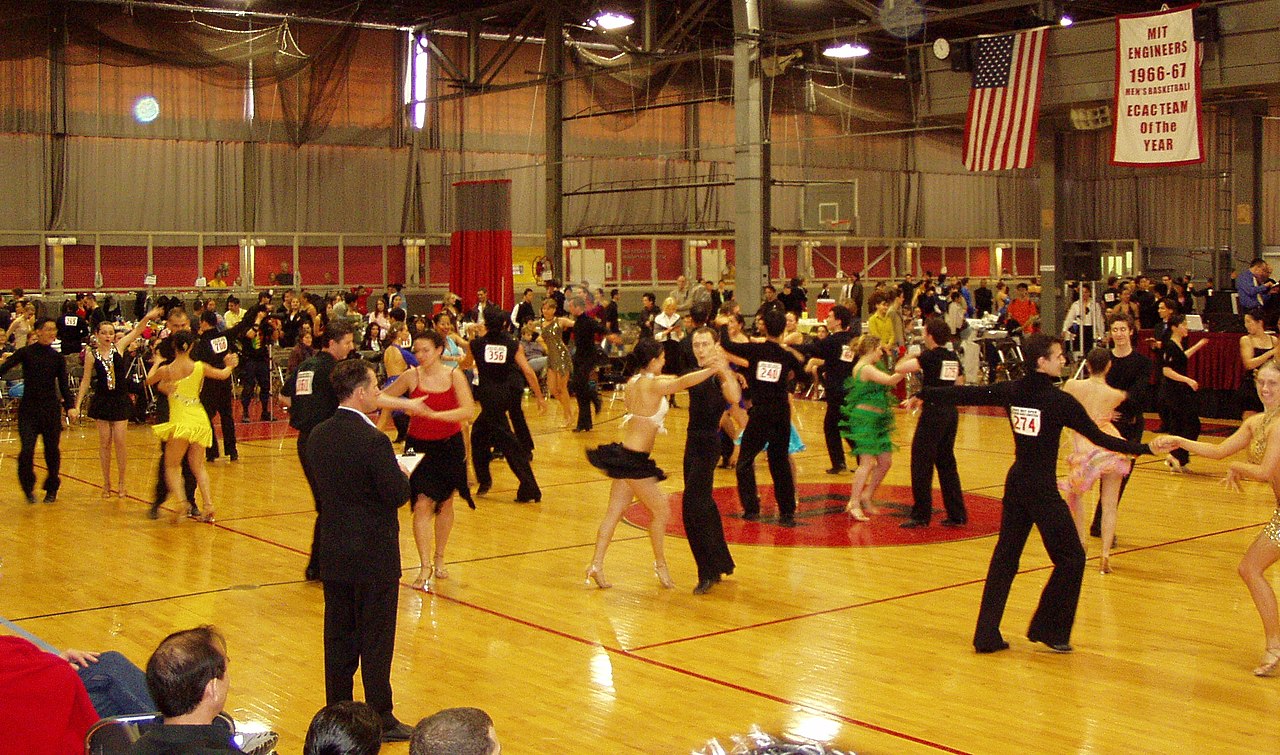
Ballroom is commonly divided into two international performance categories: Standard (also called Modern) and Latin. Standard dances are characterized by flowing movement, closed hold and continuous progress around the room. Typical examples include the waltz, quickstep, foxtrot, tango and the Viennese waltz. Latin dances put greater emphasis on rhythmic articulation, isolated body action and hip movement; common Latin dances are the cha-cha-cha, samba, rumba, paso doble and jive.
Beyond those categories, related forms include sequence dances, in which entire groups follow a prescribed pattern; national traditions such as American-style partner dances; and vernacular social dances that borrow ballroom technique while using different styling.
History and development
Ballroom dancing evolved from court and social dances of Europe and the Americas. Many of the techniques used in international competitive ballroom were codified in Britain during the 20th century by dance teachers and adjudicators who sought consistent training and judging standards. The competitive framework and syllabus for international events were later formalized and are overseen by governing bodies such as the World Dance Council. Parallel lineages grew in other countries and produced national styles and syllabi.
Popular culture and media helped spread ballroom movement and imagery. Film and stage performers such as Fred Astaire and Ginger Rogers popularized partner dancing on screen, though their choreography was tailored for film rather than strict ballroom competition. Earlier, the American team of Vernon and Irene Castle influenced social dancing in the early 20th century, and later entrepreneurs such as Arthur Murray expanded dance instruction through schools and studios. In Britain, figures like Victor Silvester, who combined dancing with a career as a bandleader, helped make ballroom music and technique widely known.
Uses, competition and teaching
Ballroom activity ranges from casual social dancing and social clubs to highly regulated competitions. Social dancers may adapt figures and timing to personal style, while competitive couples follow standardized syllabi and are judged on technique, timing, expression and partnership. International competitions generally use the International style and strict rules for attire, figures and performance; national federations administer local variants and amateur levels. Teaching is offered by private studios, community centers and accredited instructors; many syllabi provide graded exams and medals.
Distinctions and notable facts
- International (English) style focuses on the Standard and Latin divisions used in major contests and championships.
- American style — a separate system — allows different figures and open choreography suitable for social dancing and theatrical performance.
- Sequence and country-specific dances maintain living traditions that coexist with competitive ballroom.
- Ballroom communities often emphasize etiquette, music appreciation and accessible recreation for adults and youth alike.
Contemporary ballroom continues to evolve: social media, televised dance competitions and cross-cultural exchange influence technique and presentation, while traditional clubs and competitive circuits preserve structured teaching and adjudication. For further reading or local resources, many dance organizations and schools provide syllabi, event listings and instructional materials online.
Questions and answers
Q: What are the most important differences between modern and Latin dances?
A: The most important difference in style between modern and Latin dances is that the modern dances include the waltz, quickstep, foxtrot, tango and Viennese waltz while the Latin dances include cha-cha-cha, samba, rumba, paso doble and jive.
Q: Who were Fred Astaire and Ginger Rogers?
A: Fred Astaire and Ginger Rogers were two of the most famous dancers of all time. They did not dance in ballrooms but rather their career together was entirely on film.
Q: What other types of dance are regulated by national bodies?
A: Other systems of dance regulated by national bodies include American style dancing, Scottish dancing and Greek classical dance.
Q: Who was a very successful bandleader as well as a professional dancer?
A: Victor Silvester was a very successful bandleader as well as a professional dancer. He was probably one of the most famous English ballroom dancers.
Q: How are international competitions conducted?
A: International competitions are conducted under detailed regulations according to the rule of the World Dance Council using techniques developed by English dancers in the 20th century known as International Style.
Q: Who were Vernon and Irene Castle?
A: Vernon and Irene Castle were an American pair of ballroom dancers who became national figures until Vernon's death in 1918.
Q: How did Arthur Murray teach Americans to dance? A: Arthur Murray taught many Americans to dance through his chain of dance schools.
Related articles
Author
AlegsaOnline.com Ballroom dance: styles, history, competitions and social practice Leandro Alegsa
URL: https://en.alegsaonline.com/art/8559
Sources
- dancesport.uk.com : UK Dancesport