
Vernon and Irene Castle — Pioneers of American social dance
Vernon and Irene Castle were an influential husband-and-wife dance team of the early 20th century who popularized modern social ballroom styles, promoted ragtime rhythms and shaped fashion and popular culture during the WWI era.
Overview
Vernon and Irene Castle were a husband-and-wife dance team whose performances, teaching and publicity helped transform social ballroom dancing in the 1910s. Combining theatrical polish with accessible steps, they made modern social dances fashionable for middle-class audiences on both sides of the Atlantic. Their career included stage appearances, touring instruction, short films and widespread publicity that linked dance, popular music and contemporary fashion. For concise biographical introductions see biographical summaries.
Image gallery
10 Images


Early life and formation of the partnership
Vernon Castle was born William Vernon Blyth in Norwich, England, and took the stage name Castle early in his career. Irene Foote was born in New Rochelle, New York, and they met and formed a professional partnership in the years before the First World War. They married in the early 1910s and developed a joint act that emphasized elegance, musical sensitivity and simplified steps that ordinary social dancers could learn. Further details about their origins and early years are available from curated collections and local archives at regional resources and digital profiles.
Style, repertoire and innovations
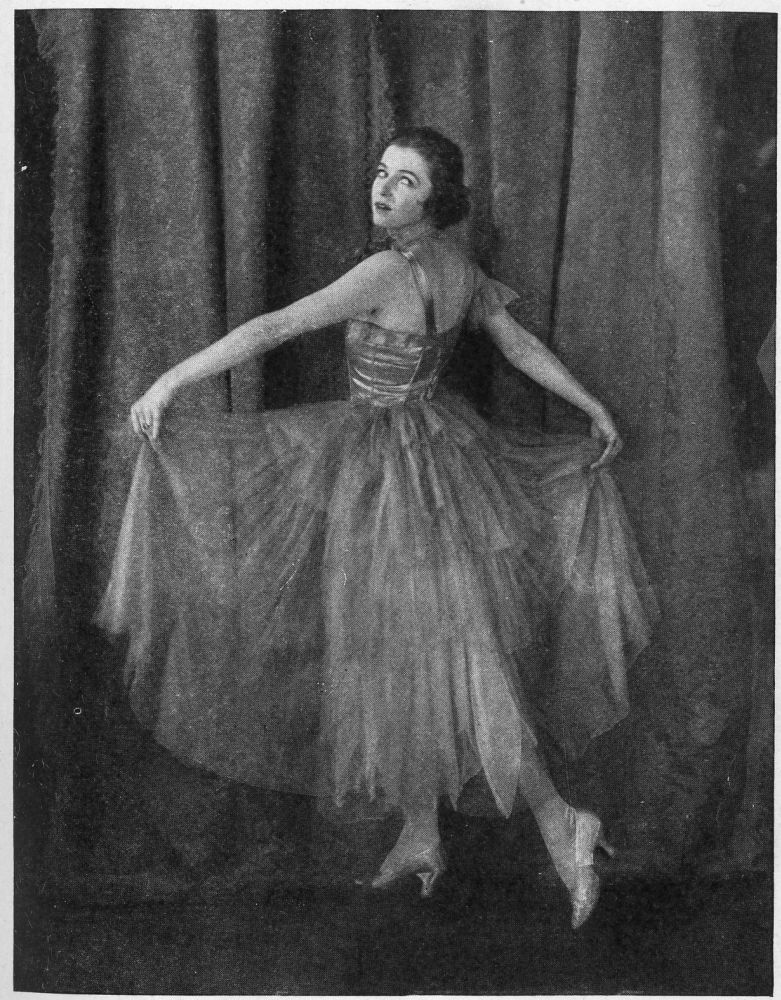
The Castles championed a relaxed, graceful approach to partner dancing that contrasted with more rigid Victorian styles. They helped popularize and normalize dances such as the foxtrot and modernized forms of the tango and waltz for social use. Their emphasis on clearer musical phrasing, lighter footwork and manageable figures made dance instruction more practical and attractive to a broad public. Irene was widely admired for distinctive fashion choices that were well suited to movement, while Vernon contributed theatrical timing and presentation.
Collaborations with musicians
The couple worked with contemporary musicians and ensembles to promote the syncopated music then coming into the mainstream. Notably, their stage and social engagements brought attention to African American rhythms and bandleaders whose arrangements helped set the tempo for social dance halls. This musical collaboration was an important part of how ragtime and early jazz idioms reached wider audiences; see musical and cultural studies at music references.
Career highlights and cultural influence
The Castles operated dance studios, gave public demonstrations and produced instructional materials that professionalized social dance teaching. Their publicity—photographs, magazine features and sheet music—shaped popular taste. Irene’s short haircut and simpler gowns became fashionable and signaled a modern feminine silhouette suited to movement. Their work bridged theatrical performance and everyday social practice, helping create a commercial infrastructure for social dance classes and public balls.
Death, later portrayals and legacy
Vernon Castle died while serving as an aviator during the First World War era, ending their onstage partnership. Irene continued to be associated with dance and fashion in later decades. Their story has been retold in films, biographies and retrospectives that have kept attention on their role in modern social dance; for cinematic and historical overviews consult film and history essays and selected archival resources.
Notable facts
- The Castles helped move social dancing into commercial dance schools and public ballrooms.
- They translated theatrical steps into simplified patterns for social settings.
- Through performance and promotion they accelerated acceptance of syncopated music in mainstream social life.
Questions and answers
Q: What was the name of Vernon Castle's birth family?
A: Vernon Castle's birth family was Blyth.
Q: Where was Vernon Castle born?
A: Vernon Castle was born in Norwich, Norfolk, England.
Q: When did Irene and Vernon meet?
A: Irene and Vernon met in 1910.
Q: What is the name of Irene Castle's father?
A: Irene Castle's father is a prominent physician from New Rochelle, New York.
Q: Why did Vernon choose 'Castle' as his stage name?
A: Vernon chose 'Castle' as his stage name because his sister (also on the stage) already used the family name, Blyth.
Q: How long were they famous for developing and promoting dancing during World War I?
A: They were famous for developing and promoting dancing during World War I for about 8 years (1910-1918).
Related articles
Author
AlegsaOnline.com Vernon and Irene Castle — Pioneers of American social dance Leandro Alegsa
URL: https://en.alegsaonline.com/art/104702
Sources
- orphansofthestorm.org : "About Us | Our History | Irene Castle"
- gutenberg.org : Woman as Decoration