
Batik: traditional wax-resist cloth dyeing
Batik is a wax-resist dyeing technique that originated on the island of Java. It produces patterned textiles through wax application and layered dyeing; styles, tools and meanings vary by region and use.
Batik is a textile art in which patterns are created by applying wax to cloth before dyeing. The wax resists the dye, so areas covered by wax remain the original color. The method is most closely associated with Java in Indonesia, but it is practiced and adapted elsewhere in Asia and Africa.
Image gallery
10 Images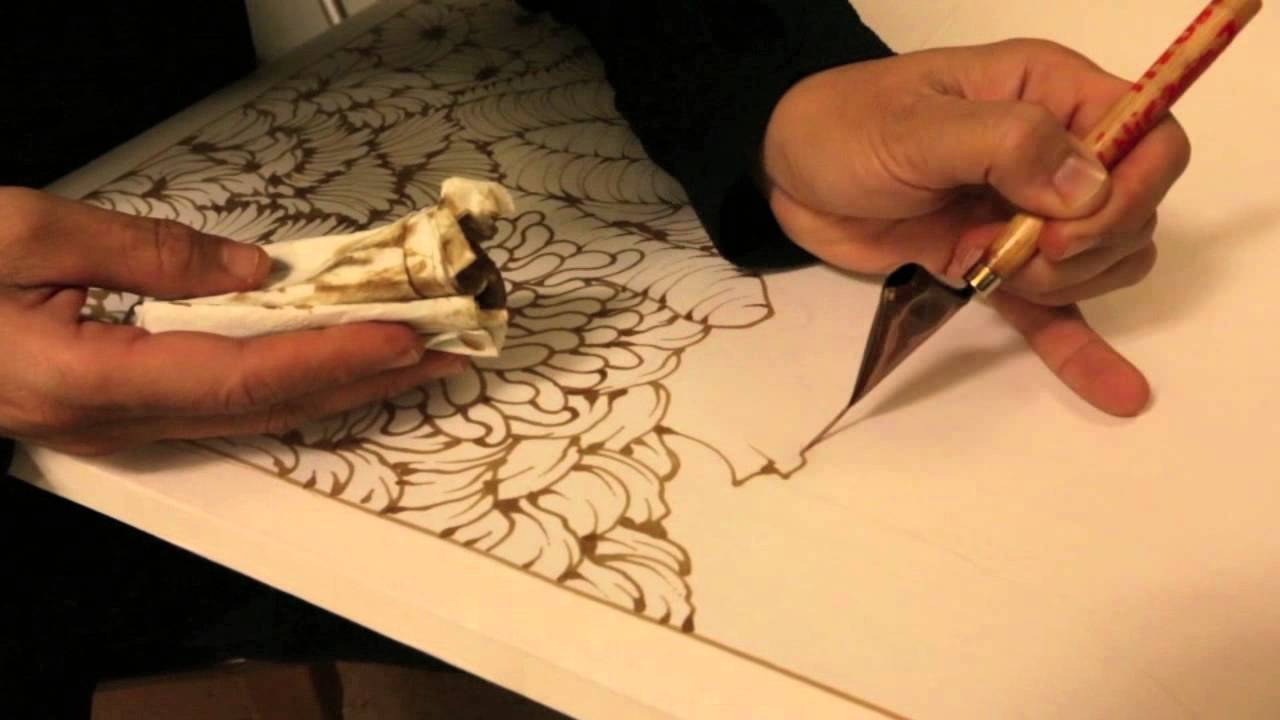


Technique and materials
The basic elements are fabric (often cotton or silk), hot wax, and dyes. Wax may be drawn freehand with a small spouted tool called a canting or stamped with a carved copper block called a cap. Artists work in stages: design, wax application, dye baths, and removal of wax to reveal the finished pattern. See also discussions of fabric choice at cloth resources and waxing methods at wax guides.
Typical process
- Sketch or transfer design onto cloth.
- Apply wax to areas to remain undyed.
- Dye the cloth; repeat waxing and dyeing for multiple colors.
- Boil or scrape off wax to finish the textile.
Tools and local practice influence appearance: hand-drawn batik tends toward fine, intricate lines, while stamped batik produces repeated motifs suited to large quantities.
History and cultural role
Batik has deep roots in Indonesian ceremonial and daily dress. Motifs can indicate social status, locality, or occasions; some patterns were traditionally restricted to nobility. The craft spread through trade and colonial contact and later became an emblem of national and regional identity. For background on origins consult sources about Java.
Today batik appears in traditional garments (sarongs, kebaya), contemporary fashion, and home textiles. Its techniques and designs have been adapted globally while efforts continue to preserve handcraft traditions alongside industrial production.
Questions and answers
Q: What is batik?
A: Batik is a method of dyeing cloth and making it resistant using wax.
Q: Where does batik come from?
A: Batik fabrics originally come from the island of Java in Indonesia.
Q: Can batik be found only in Indonesia?
A: No, batik can also be found worldwide, mainly in Asia and Africa.
Q: What is the purpose of using wax in batik?
A: Wax is used in batik to create patterns on the fabric and make it resistant to dye.
Q: Is batik a popular fabric in some parts of the world?
A: Yes, batik is popular in some parts of Asia and Africa.
Q: What kind of cloth is used in batik?
A: Any type of cloth can be used in batik.
Q: Is the process of batik complicated?
A: The process of batik can be complicated, as it involves multiple steps and the use of wax to create intricate patterns on the cloth.
Related articles
Author
AlegsaOnline.com Batik: traditional wax-resist cloth dyeing Leandro Alegsa
URL: https://en.alegsaonline.com/art/9379
Sources
- batikguild.org.uk : "history of batik"
- dharmatrading.com : "Batik Technique"