
Bas-relief: Low-relief sculpture — technique, history, and uses
Bas-relief is a shallow form of relief sculpture in which figures project only slightly from the background. This article explains methods, history, materials, notable examples and distinctions.
Overview
Bas-relief (from the French bas-relief, literally "low relief") is a sculptural technique in which forms are carved or modeled so that they project only slightly from a flat background. The method preserves recognizable three-dimensional shapes while keeping the overall surface relatively planar. Because the figures remain shallow, the composition reads well from a single viewpoint and under variable lighting, making it especially suitable for architectural decoration and objects intended to be viewed from front-on.
Image gallery
10 Images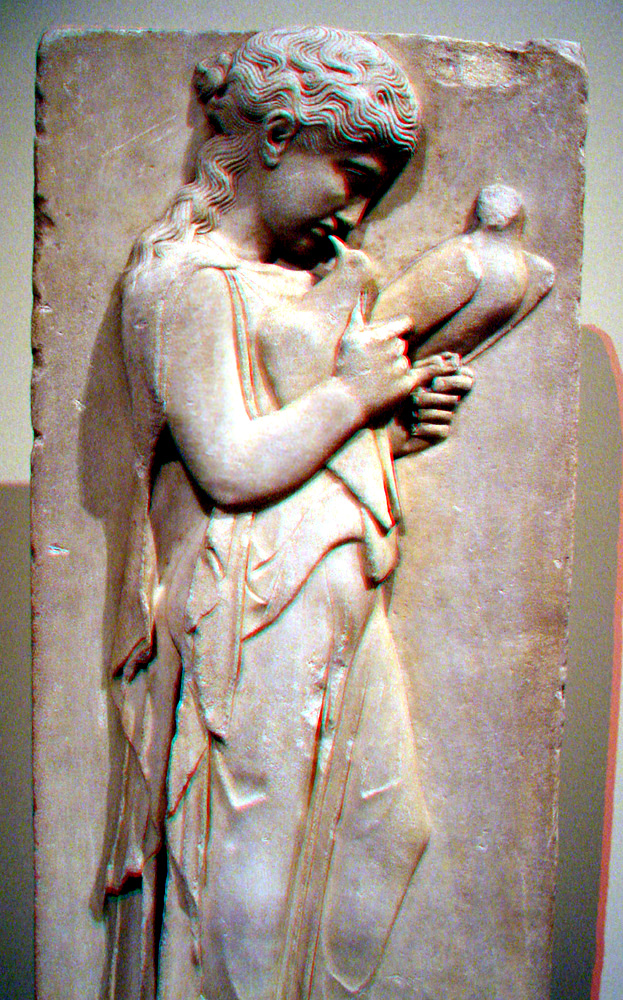


Characteristics and techniques
Bas-relief differs from full-round sculpture by limiting depth: limbs, drapery and facial features are suggested rather than fully realized in the round. Artists achieve subtle modeling through graduated planes, shallow undercutting and careful control of shadow. Common working methods include direct carving in stone or wood, modeling in clay or wax followed by casting in metal, and stamping or pressing for low-relief on coins and medals. Typical materials are limestone, marble, alabaster, terracotta, and bronze.
History and development
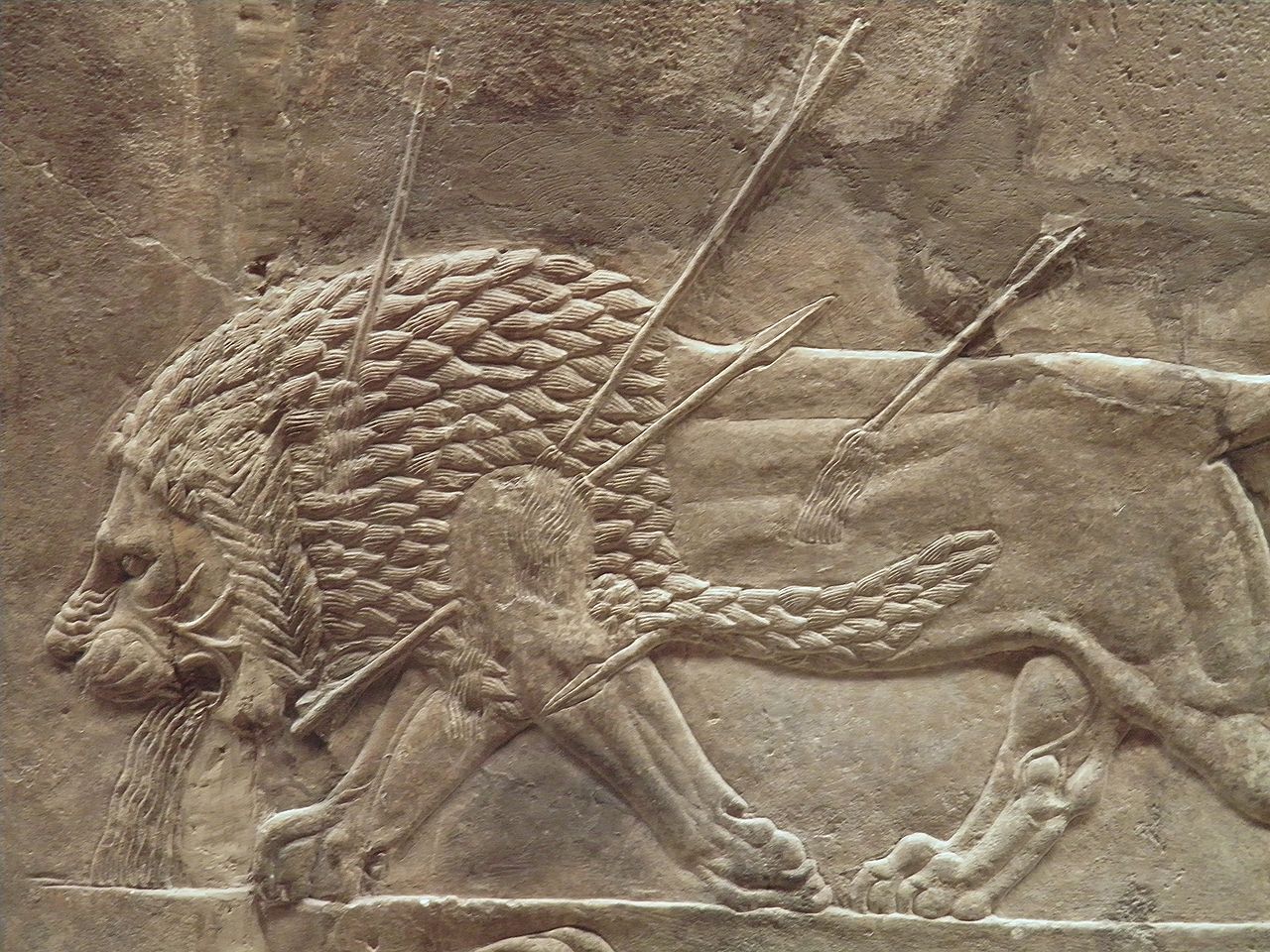
Low relief has a long history across many cultures. Ancient Egypt used shallow carved reliefs extensively on temple walls to depict gods, pharaohs and ritual scenes. Mesopotamian palaces and Assyrian monuments employed narrative panels whose figures project slightly from their backgrounds; well-known examples include the lion hunt panels now held in museum collections. Classical Greece and Rome developed complex friezes in bas-relief for temples and public buildings. During the Renaissance and later, artists combined relief with perspective and foreshortening, while small-scale bas-relief became central to medal and coin design.
Uses and notable examples
Bas-relief appears in many contexts: architectural friezes and tympana, sarcophagi, altarpieces, memorial plaques, coins, and decorative panels. Famous instances include ancient Egyptian temple reliefs, the Parthenon frieze of classical Athens, and Assyrian palace panels such as the lion hunt reliefs. Renaissance artists explored finer variants such as rilievo schiacciato, a very shallow technique associated with Donatello, which produces a painterly sense of depth on a nearly flat surface.
Distinctions and important considerations
- Bas-relief vs high relief: High relief (altorilievo) projects much farther from the background and may include deep undercuts; figures can appear almost free-standing.
- Visual effects: Because bas-relief depends on light and shadow, viewing angle and illumination strongly influence legibility.
- Scale and function: Very small bas-relief is used on coins and medals; larger panels serve narrative or decorative programs on buildings.
Why bas-relief matters
Bas-relief combines economy of material and clarity of depiction, making it a versatile medium for storytelling, commemoration and ornament. Its long cross-cultural history demonstrates its adaptability to both monumental public works and intimate objects. For further reading on relief and sculptural practice see general entries on relief and on sculpture.
Related articles
Author
AlegsaOnline.com Bas-relief: Low-relief sculpture — technique, history, and uses Leandro Alegsa
URL: https://en.alegsaonline.com/art/9180