
Samba: Brazilian music, dance and cultural tradition
Samba is an Afro-Brazilian musical and dance tradition originating in Brazil. It features syncopated rhythms, lively percussion, diverse regional styles and a central role in Carnival and community life.
Overview: Samba is an Afro-Brazilian tradition combining music, dance and singing, rooted in African rhythms and shaped in urban Brazil. It is widely associated with festive street parades and intimate community gatherings, and remains a central element of Brazilian cultural identity. Samba originated among Afro-Brazilian communities and spread through cities in the early 20th century.
Image gallery
10 Images
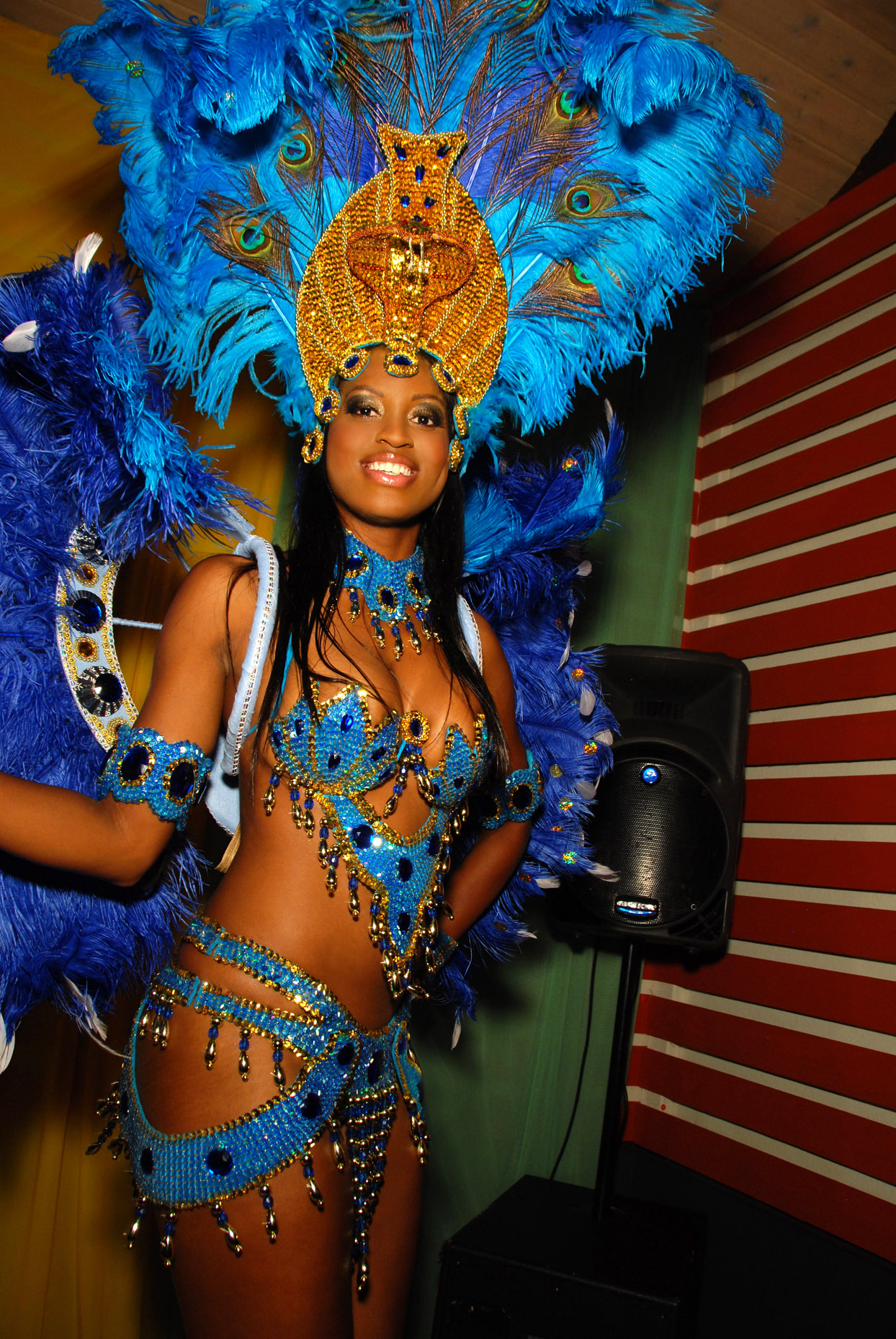

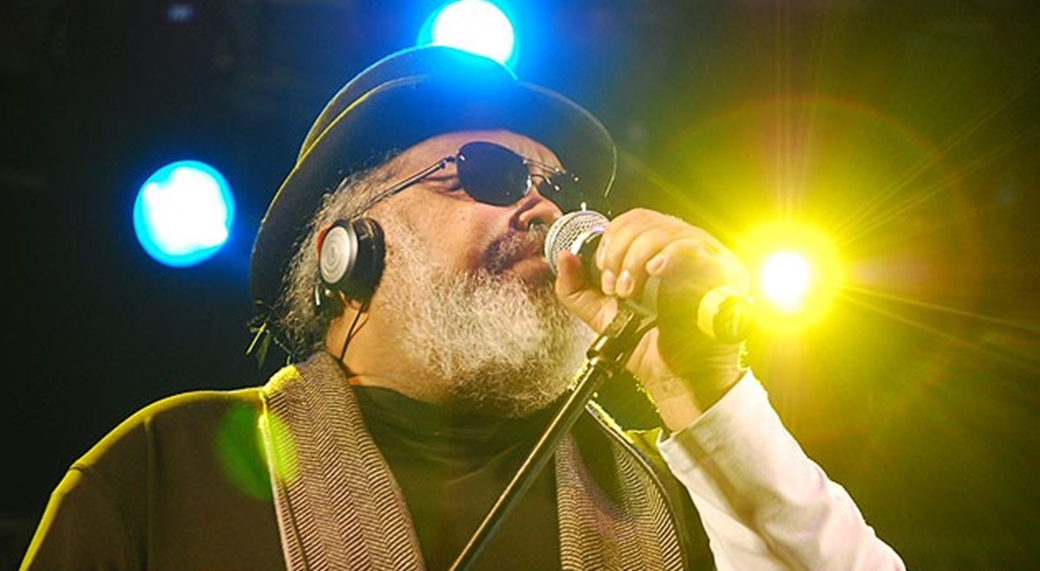


Characteristics and elements
Samba is identified by its syncopated, driving pulse and by ensembles heavy on percussion. Vocal lines often use call-and-response patterns, and arrangements range from solo guitar and voice to large percussion baterias. Instruments commonly heard include the pandeiro, surdo, tamborim, cuíca, agogô and the cavaquinho or violão. The rhythm can be adapted into slower, more lyrical forms or fast, percussive parade styles.
History and development
Its roots lie in the musical practices of enslaved Africans and free Afro-Brazilian communities, especially in coastal regions. As people migrated to cities like Rio de Janeiro, earlier rural and regional practices converged into new urban forms. Early recordings and sheet-music publications from the 1910s and 1920s helped codify a style that expanded through radio, nightclubs and community groups. Samba schools later organized performers for Carnival parades, increasing the music's visibility and social reach.
Styles, dance and uses
Samba includes many subgenres and dances. Examples include samba-enredo (parade songs created by samba schools), samba de roda (a community circle dance with song and accompaniment), samba-canção (lyrical ballad forms), pagode (a popular, often acoustic substyle) and samba de gafieira (a ballroom partner dance). Samba functions in religious, celebratory and commercial contexts: as sacred performance, neighborhood expression, Carnival spectacle and popular entertainment.
Notable facts and distinctions
- Samba has influenced and been mixed with other styles; bossa nova and MPB drew on samba rhythms while introducing new harmonies and tempos.
- Community-based samba schools produce elaborate parades and compete in city Carnivals; these groups sustain musical practice and neighborhood identity.
- Cultural forms such as samba de roda have been formally recognized for their cultural importance and are often cited in discussions of Brazil's intangible heritage.
Samba's long history and regional diversity mean it resists a single definition: it is at once a musical genre, a dance vocabulary and a living cultural practice tied to community, memory and national imagery. For further reading about musical structure, dance techniques and Carnival traditions, see resources on Brazilian culture and dedicated studies of samba performance and history available through music archives and cultural institutions.
Artists, schools and communities continue to renew samba, blending tradition and innovation so the form remains vibrant both in local festivities and on international stages. For introductions to specific styles or contemporary scenes, consult specialized guides and collections that discuss regional variations and influential performers.
Related articles
Author
AlegsaOnline.com Samba: Brazilian music, dance and cultural tradition Leandro Alegsa
URL: https://en.alegsaonline.com/art/86656
Sources
- dancelovers.com : The history of the samba