
Safed (Tzfat) — historic Galilean city and center of Kabbalah
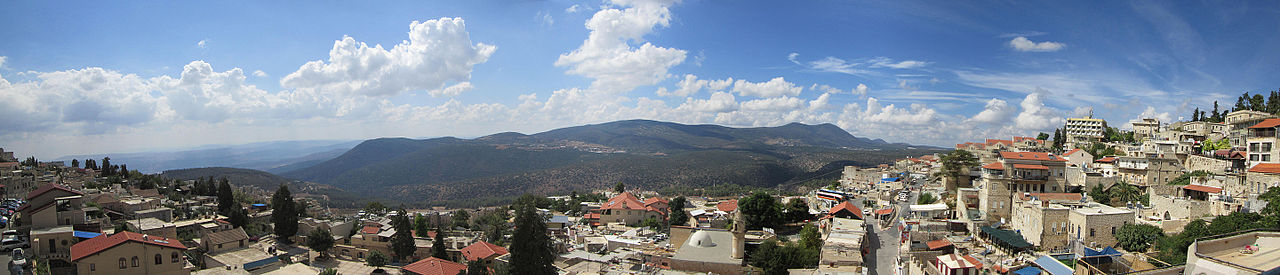
Safed (Tzfat) is a mountain city in northern Israel known for its Kabbalah heritage, medieval synagogues, artists' quarter, and scenic pine-covered hilltops at about 900 m elevation.
Overview
Safed, also spelled Tzfat, is a small city in northern Israel set high in the Upper Galilee. Its Hebrew name and Arabic name reflect a long multiethnic history. Safed is widely regarded as one of the four holy cities of Judaism, alongside Jerusalem, Hebron and Tiberias. Perched at an elevation of roughly 900 meters, it is the highest city in the Galilee and in Israel, giving it cooler summers and winters when snow can occur.
Image gallery
10 Images







Character and culture
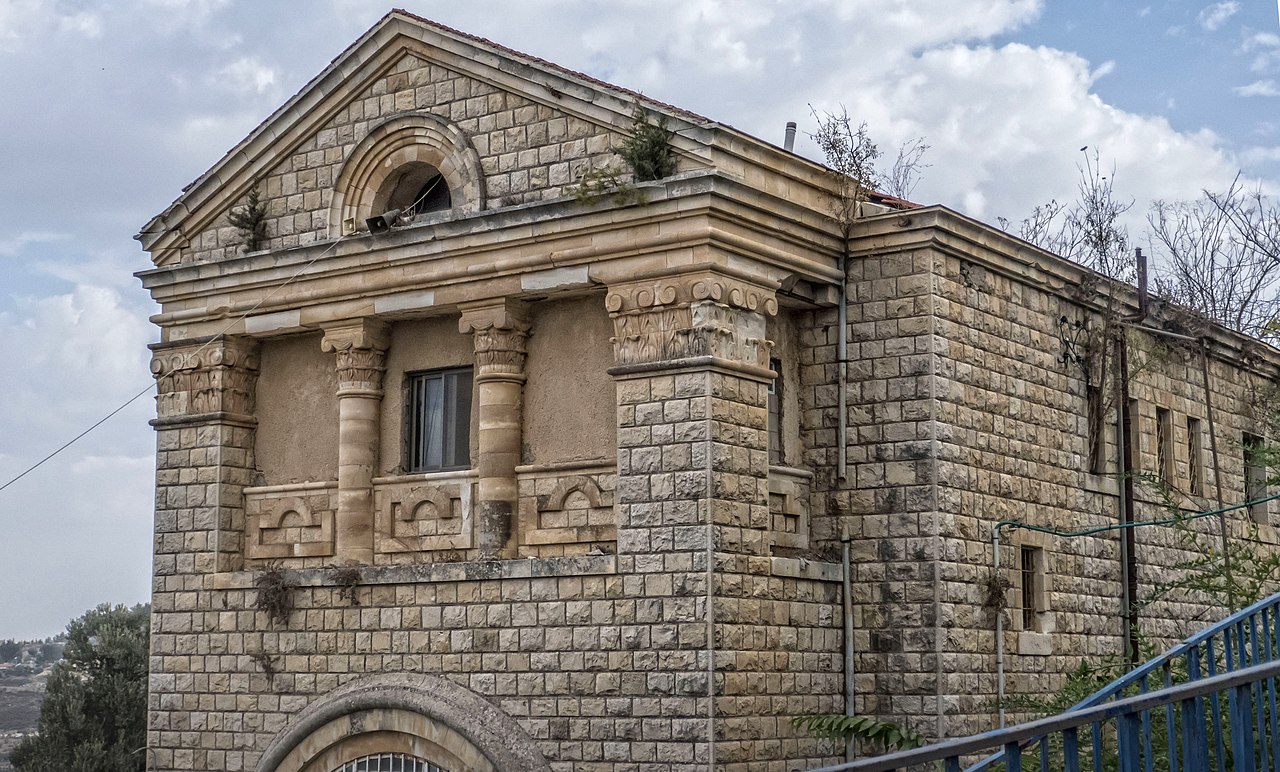
Safed is known for a compact old quarter of narrow alleys, stone houses and historic synagogues that preserve medieval and early modern devotional traditions. Since the Ottoman period it developed a reputation as a center of Jewish learning, and in the 16th century it became a focal point for mystical study. Today the city combines religious pilgrimage with a lively artists' quarter where galleries, workshops and small museums attract visitors year-round.
History and development
The site of Safed has been occupied in various periods from antiquity through the Crusader, Mamluk and Ottoman eras. Its modern prominence dates to the early modern period when refugees and scholars gathered there. During the 16th century a distinctive school of mystical thought flourished; several leading rabbis and Kabbalists lived and wrote in Safed, and their teachings shaped later Jewish spirituality. The town continued to evolve under Ottoman rule and later during the British Mandate before becoming part of the modern state.
Religious and cultural importance
Safed is internationally associated with Kabbalah study and pilgrimage. Synagogues, yeshivot and small museums commemorate the city's religious legacy and its notable personalities. The city also hosts festivals, study groups and guided tours that explore theological, historical and artistic themes, drawing visitors who come for both devotion and cultural interest.
Places and activities
- Historic synagogues and rabbinic sites, preserved or restored for visitors.
- An artists' quarter with galleries, workshops and exhibitions.
- Outdoor recreation on surrounding ridges and in nearby pine and cedar groves—many walking paths pass through pine forests and scenic overlooks.
- Local museums and cultural centers offering archaeological displays and lectures.
Notable facts and distinctions
Safed's compact historic core and elevated setting make it visually distinctive among Israeli towns. Its reputation as a center of mystical Judaism remains a defining feature, and the blend of religious significance, artistic life and mountain scenery gives it an outsized cultural role compared with its modest population. Visitors typically combine pilgrimage, study and sightseeing when exploring Safed and the surrounding Galilean landscape.
For more detailed guides to sites, programs and events see local cultural resources and visitor centers that maintain schedules and historical materials. Many such resources are available online and in printed form at municipal and regional offices.
Hebrew name • Arabic name • northern Israel • Kabbalah • Judaism • Jerusalem • Hebron • Tiberias • elevation • Galilee • pine • forests
Related articles
Author
AlegsaOnline.com Safed (Tzfat) — historic Galilean city and center of Kabbalah Leandro Alegsa
URL: https://en.alegsaonline.com/art/85209