
Safi: Moroccan Atlantic Port City Known for Fishing and Pottery
Safi is a coastal city in western Morocco on the Atlantic noted for its sardine fishing, phosphate exports, historic medina, Portuguese fortress and a long tradition of ceramics and craftsmanship.
Safi (Berber: Asfi, ⴰⵙⴼⵉ; Arabic: أسفي; Portuguese: Safim) is a coastal city in western Morocco on the Atlantic Ocean. It is the administrative centre of Safi Province and had a population of 282,227 at the 2004 census; more recent estimates show continued urban growth, with variations depending on how the metropolitan area is defined. The city combines an active industrial harbour with a historic medina and a longstanding craft tradition.
Image gallery
10 Images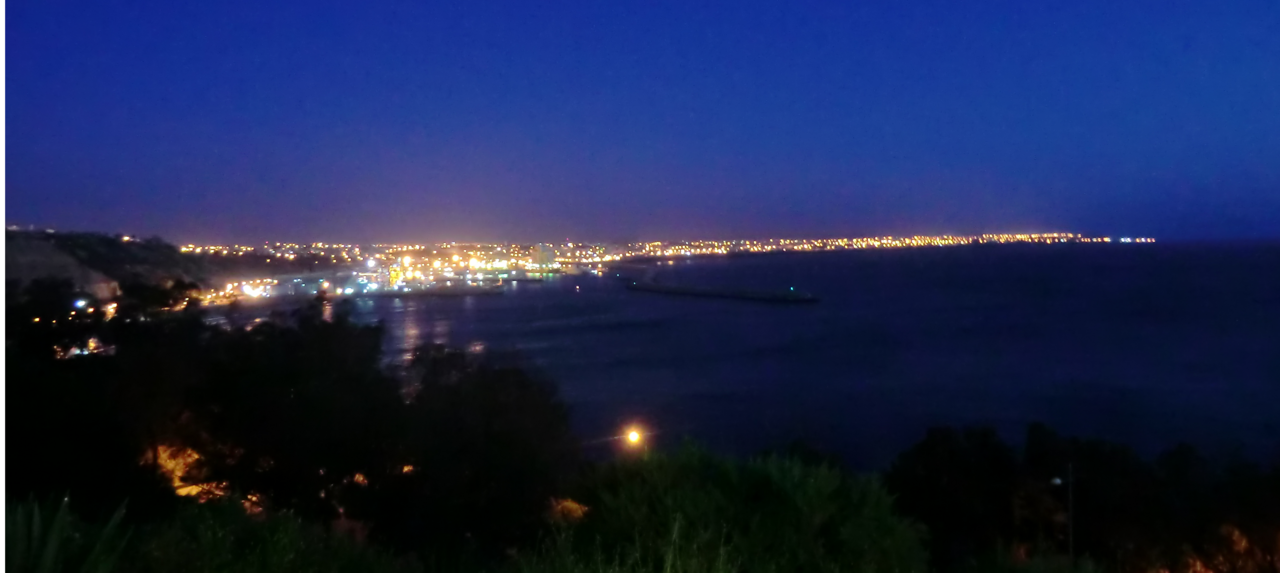




Geography and climate
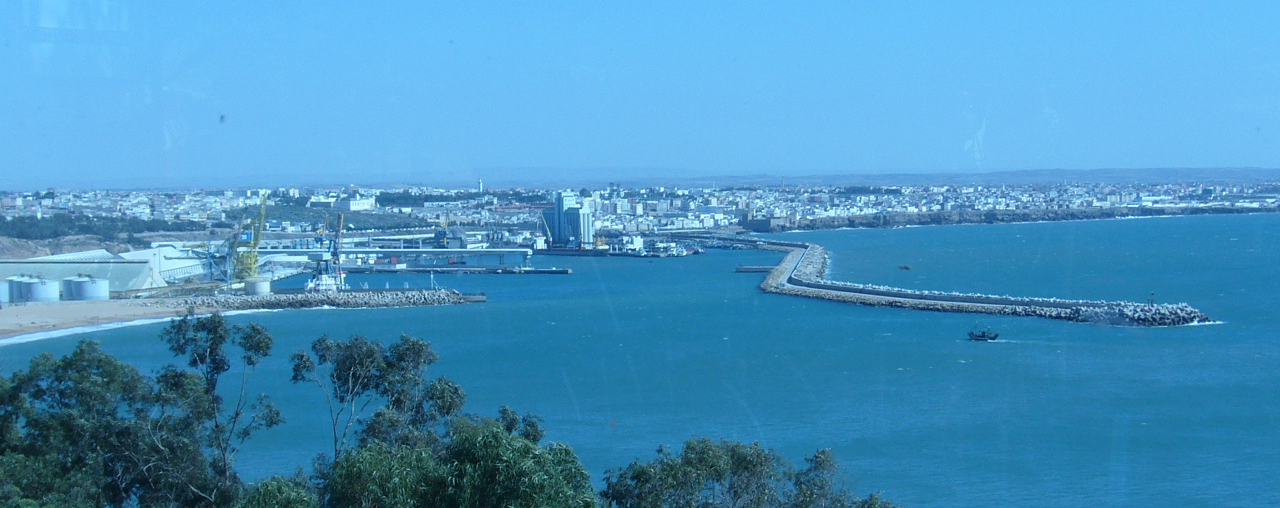
Safi occupies a rocky stretch of Morocco's Atlantic coast and functions as a natural focal point for coastal trade. The harbour supports fishing fleets and bulk shipping, connecting inland agricultural and mining areas to international routes. The climate is Mediterranean-influenced with mild, wet winters and warm, dry summers, conditions that have shaped local settlement and economic patterns.
History
The site has been occupied since antiquity by Berber and coastal communities and later developed through contacts across the Mediterranean and Atlantic. European interests arrived in the late medieval and early modern periods; parts of the town were fortified during Portuguese presence in the 15th–16th centuries, leaving a coastal citadel and ramparts that remain visible. The old medina and kasbah reflect layers of Berber, Arab and European influence in urban form, architecture and street patterns.
Economy and industries
- Fishing: Safi is an important centre for Morocco’s sardine fishery and hosts processing and canning facilities closely tied to national seafood exports (sardines).
- Minerals and bulk trade: The port handles exports of phosphates and related mineral products, a key sector in Morocco’s export economy.
- Manufacturing and crafts: The city is known for textiles and, especially, its distinctive pottery and ceramic production (ceramics), where traditional techniques coexist with small-scale industry.
Culture, crafts and landmarks
Safi’s pottery quarter is a major cultural draw: artisans produce glazed earthenware, decorative tiles and utilitarian wares in workshops that are open to visitors and collectors. The city also preserves historic monuments such as the Portuguese fortress overlooking the harbour, the medina with its narrow lanes and marketplaces, and several mosques and neighbourhoods that express its maritime character.
Transport and role
The harbour provides both fishing berths and facilities for bulk cargo; road links connect Safi with regional towns and the interior. As a regional hub, Safi links coastal resources and crafts to national and international markets and remains significant for both traditional livelihoods and modern industrial activity.
Safi's blend of working port, industrial activity and artisanal culture makes it a notable Moroccan city where maritime, economic and cultural histories intersect. For further information consult local guides and regional studies that cover its economy, urban development and ceramic heritage.
Related articles
Author
AlegsaOnline.com Safi: Moroccan Atlantic Port City Known for Fishing and Pottery Leandro Alegsa
URL: https://en.alegsaonline.com/art/85225
Sources
- hcp.ma : 2004 Morocco Population census