
Kabbalah: an overview of Jewish mystical tradition
Kabbalah is a stream of Jewish mysticism that explores divine emanation, the structure of reality and spiritual practice. Its texts, symbols and methods developed from antiquity through medieval and early modern periods.
Overview
Kabbalah (also spelled Cabala or Qabbalah) refers to a body of Jewish mystical teachings and practices that seek to describe the nature of God, the origins of the cosmos, and the human role within creation. It reads the Torah and other sources as containing hidden meanings accessible by allegory, symbolic language and transformative practice. In popular descriptions it is often associated with esoteric diagrams, meditation and numerological techniques.
Image gallery
10 Images




Core concepts and structure
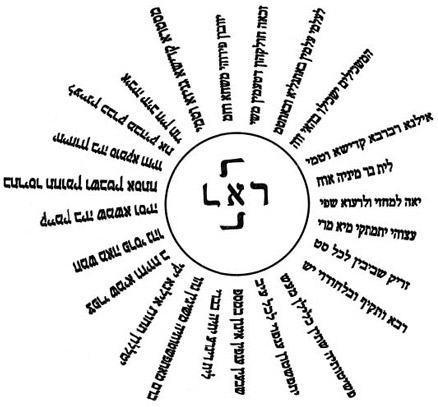
Several recurring themes organize kabbalistic thought. These include the idea of Ein Sof (the infinite divine), the Sefirot (ten emanations or attributes through which divinity expresses itself), the process of contraction (tzimtzum) and subsequent emanation, and the notion of spiritual repair (tikkun). Kabbalists use methods such as gematria (letter-number interpretation), notarikon and symbolic exegesis to uncover layered meanings in sacred texts.
Key texts and historical development
Elements of Jewish mysticism date to early merkavah and prophetic traditions. Medieval Kabbalah crystallized in southern France, Spain and other Mediterranean communities. The Sefer ha-Zohar (the Zohar) is a foundational mystical commentary traditionally ascribed to the sage Shimon bar Yochai but most scholars see it as a literary composition emerging in the late 13th century, associated in its present form with figures such as Moses de León in Spain and Provence. Later systems, notably Lurianic Kabbalah developed in 16th-century Safed, reframed many doctrines and influenced subsequent Jewish spirituality.
Practices, uses and influence
Kabbalistic study and practice range from disciplined textual study to meditative exercises, liturgical reinterpretation and ethical teachings. It played a formative role in Hasidic spirituality, affected prayer and messianic ideas, and contributed concepts such as tikkun olam (repairing the world) to wider Jewish thought. In modern times, elements of Kabbalah have been adapted in both scholarly and popular contexts.
Varieties and distinctions
Kabbalah is not a single monolithic school. Scholars distinguish between early merkavah mysticism, classical medieval Kabbalah, speculative systems (theosophical Kabbalah) and practical or magical traditions sometimes called practical Kabbalah. Non-Jewish or syncretic adaptations (for example in Western esotericism) borrow kabbalistic motifs but differ from traditional Jewish study in method and religious context. For introductions consult material on Jewish mysticism and sacred texts here and on medieval developments in the 13th century.
Notable facts and cautions
- Kabbalah developed gradually; attributions of single founders are part of later tradition rather than straightforward historical fact.
- It combines philosophical reflection, scriptural exegesis and devotional practice rather than a single ritual pattern.
- Reliable study typically proceeds under guidance and with grounding in Hebrew and traditional texts.
Related articles
Author
AlegsaOnline.com Kabbalah: an overview of Jewish mystical tradition Leandro Alegsa
URL: https://en.alegsaonline.com/art/51842