
Saga Prefecture
Saga Prefecture in northwest Kyūshū, Japan: capital Saga. Noted for Arita and Imari porcelain, the Yoshinogari archaeological site, Ariake tidal flats, agriculture, and the Saga International Balloon Fiesta.

Overview
Saga Prefecture (佐賀県, Saga-ken) sits on the northwestern part of the island of Kyūshū. Its capital is the city of Saga. The prefecture combines coastal plains, mudflats and low mountains and has a long history as part of the old Hizen province. It plays a distinctive role in Kyūshū's culture and craft traditions while retaining much rural character.
Image gallery
10 Images




Geography and environment
Saga fronts both shallow inland waters and open sea, including broad tidal flats that support fisheries and unique wetland ecosystems. The coastline and river plains are important for agriculture; inland areas are dominated by rolling hills and small mountain ranges. The location gives Saga a mix of maritime climate influences and fertile soils used for rice, vegetables and tea.
History and cultural heritage
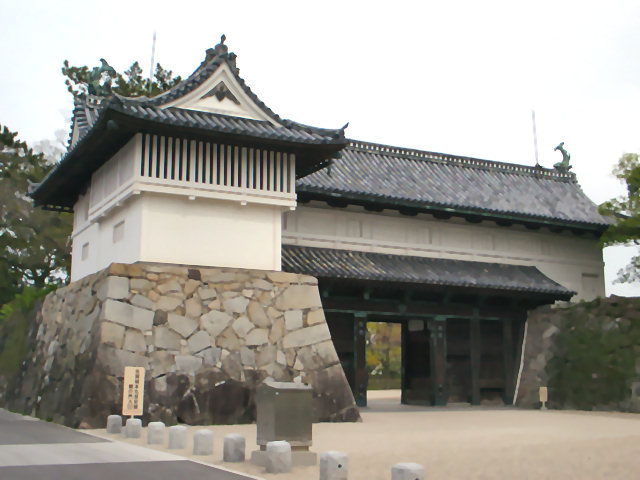
The prefecture preserves key archaeological and historical sites. Yoshinogari, a large Yayoi-period settlement now an archaeological park, illustrates early Japanese social organization. Saga also features historic castles and samurai districts, for example Saga Castle and its museum. Local religious practices and festivals reflect centuries of regional development.
Traditional crafts and economy
Saga is best known internationally for ceramics: Arita and Imari porcelain originated here and became important export goods in the 17th century; Karatsu ware is another well-known local pottery. Agriculture, seafood, and light industry make up much of the modern economy. Saga beef and processed seafood products are among the region’s notable food items.
Attractions, events and transport
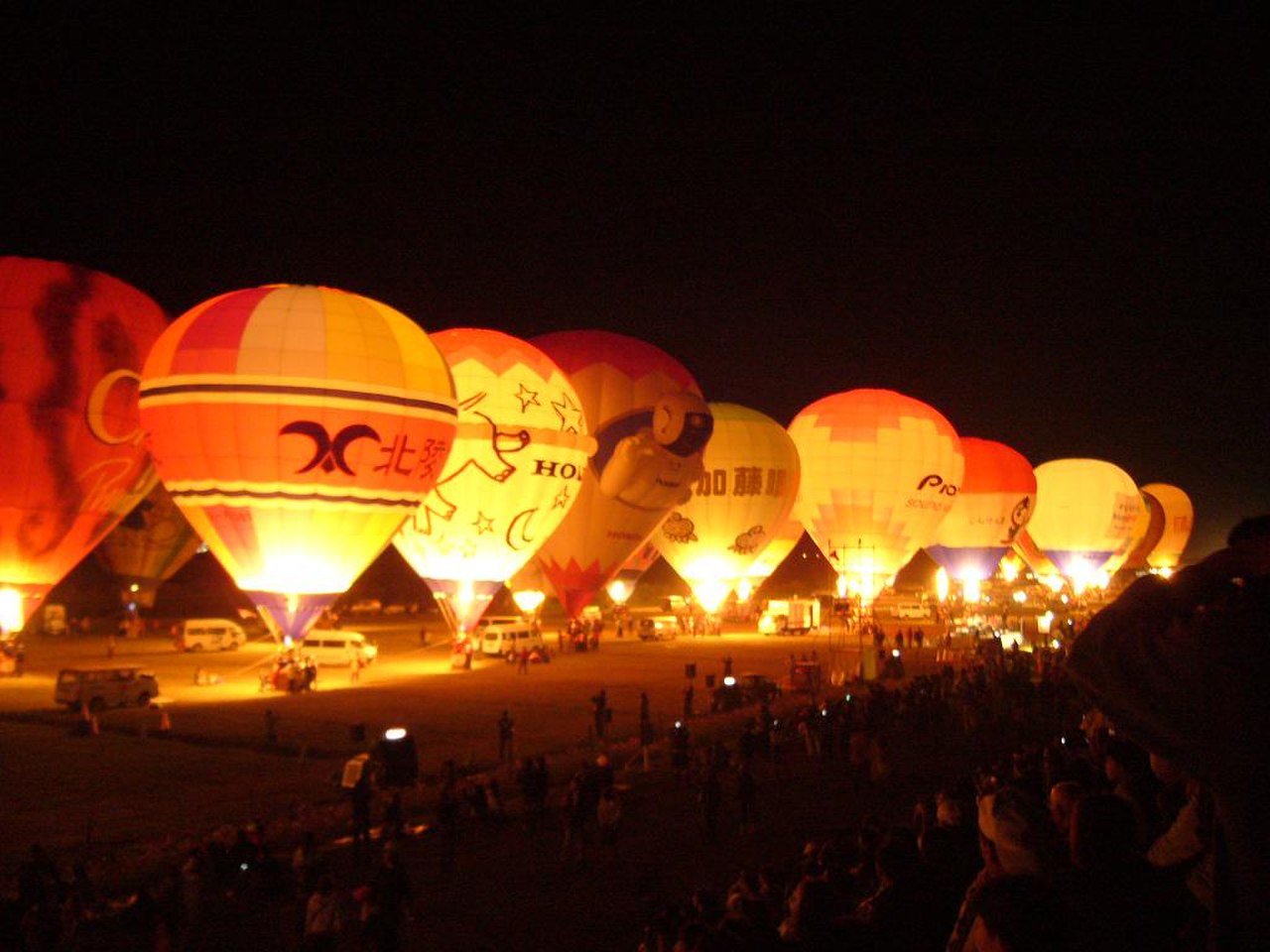
The prefecture attracts visitors for craft workshops, historical parks and coastal scenery. The annual Saga International Balloon Fiesta draws hot-air balloonists and spectators from Japan and abroad. Transportation links include regional rail and road networks and a local airport serving domestic flights that connect Saga to other Japanese cities.
Notable facts and distinctions
- Home to important ceramic centers (Arita, Imari, Karatsu).
- Contains Yoshinogari Historical Park, a major Yayoi archaeological site.
- Hosts a major international hot-air balloon festival each year.
For an introduction to the wider area, see the Kyūshū region: Kyūshū and the island overview: Kyūshū island.
Questions and answers
Q: Where is Saga Prefecture located?
A: Saga Prefecture is located in the Kyūshū region of Japan on the island of Kyūshū.
Q: What is the capital city of Saga Prefecture?
A: The capital city of Saga Prefecture is Saga.
Q: What is the official name of Saga Prefecture in Japanese?
A: The official name of Saga Prefecture in Japanese is 佐賀県 (Saga-ken).
Q: What region of Japan is Saga Prefecture a part of?
A: Saga Prefecture is a part of the Kyūshū region of Japan.
Q: What is the significance of Saga Prefecture in terms of geography?
A: Saga Prefecture is located on the island of Kyūshū, which is the third largest island in Japan and is known for its active volcanoes, hot springs, and scenic landscapes.
Q: What are some of the major attractions in Saga Prefecture?
A: Some of the major attractions in Saga Prefecture include the historic Hizen Yumekaido, the Yoshinogari Historical Park, the Karatsu Castle, and the Saga Prefectural Museum of Art.
Q: What is the population of Saga Prefecture?
A: As of 2021, the population of Saga Prefecture is approximately 810,000 people.
Related articles
Author
AlegsaOnline.com Saga Prefecture Leandro Alegsa
URL: https://en.alegsaonline.com/art/85233
Sources
- books.google.com : "Saga prefecture"
- jetro.go.jp : Saga Prefecture, Regional Information
- books.google.com : "Provinces and prefectures"
- books.google.com : 100 decisive battles: from ancient times to the present, pp. 145-147
- books.google.com : p. 147
- enformable.com : "Saga governor apologizes over remark on Genkai power plant,"
- jrkyushu.co.jp : Information from JR Kyushu
- env.go.jp : "General overview of area figures for Natural Parks by prefecture"
- books.google.com : Sourcebook in Shinto: Selected Documents, p. 377
- eos.kokugakuin.ac.jp : "Nationwide List of Ichinomiya," p. 3