
Rum: production, styles, history and cultural uses
Rum is a distilled spirit made from sugarcane products. This article summarizes how rum is produced, major styles, regional traditions, aging, legal distinctions and common culinary and cocktail uses.
Rum is a distilled alcoholic spirit produced from sugarcane juice, molasses or other cane by-products. It spans light, neutral styles to richly flavored, long-aged varieties. For a general overview of spirit categories see spirit categories and for technical notes on the process see distillation and production.
Image gallery
10 Images


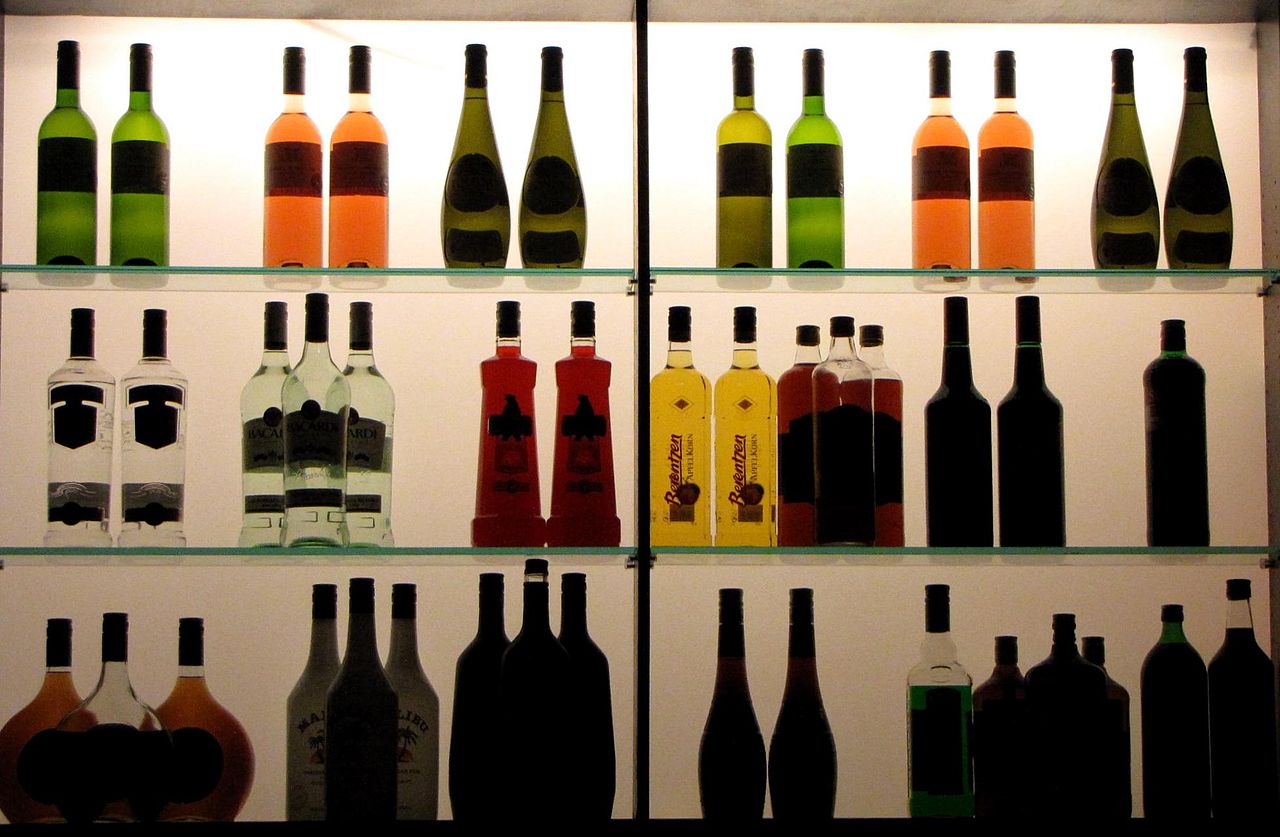

Production
Base materials include molasses, fresh sugarcane juice and various cane by-products. These fermentable sugars are converted to alcohol by yeast during fermentation. The resulting wash is concentrated and purified by distillation, commonly in pot stills or column stills. Distillers may blend distillates from different stills, ages and casks to achieve a consistent house profile.
Styles and aging
- White or light rum: lightly aged or filtered; common in cocktails.
- Gold/amber: medium-aged with oak influence.
- Dark and overproof: longer-aged, roasted or caramelized for cooking and sipping.
- Rhum agricole: produced from fresh cane juice, with a grassy, vegetal character.
Regional traditions and history
Rum has deep historical roots in the Caribbean and the colonial sugar economies; many classic styles and trade practices developed there (Caribbean rum). Production also expanded to other sugar-growing regions and islands, and today can be found in places as diverse as Fiji and Australia. Historic themes include links to maritime provisioning, plantation economies and regional cultural identity.
Uses and culture
Rum is central to many cocktails (for example the Daiquiri, Mojito and Mai Tai), and it is used in baking, sauces and flambéed dishes. It features in festivals, music and national traditions across producing regions. Practical guidance on pairing and serving is available from producers and regional tasting notes.
Legal definitions and quality considerations
Legal definitions, labeling standards and permitted additives vary by country and can affect age statements and terms such as "rum" or "rhum." Quality is assessed by balance of sweetness, oak influence, aromatic complexity and finish rather than any single metric; consult regional regulations and technical references for precise rules.
Related articles
Author
AlegsaOnline.com Rum: production, styles, history and cultural uses Leandro Alegsa
URL: https://en.alegsaonline.com/art/84696