
Saffron: the spice from Crocus sativus
Saffron is a pungent, golden-red spice derived from the dried stigmas of Crocus sativus. Valued for color, aroma and flavor, it has culinary, cultural and historical importance and is among the world’s costliest spices.
Overview
Saffron is a highly prized spice obtained from the dried stigma threads of the autumn-blooming flower Crocus sativus. It is used both as a seasoning and as a natural coloring agent, giving food a vivid golden hue. Native to Southwest Asia, saffron has been cultivated and traded for millennia and is notable for its intense labor requirements and correspondingly high market value.
Image gallery
10 Images


Botany and harvesting
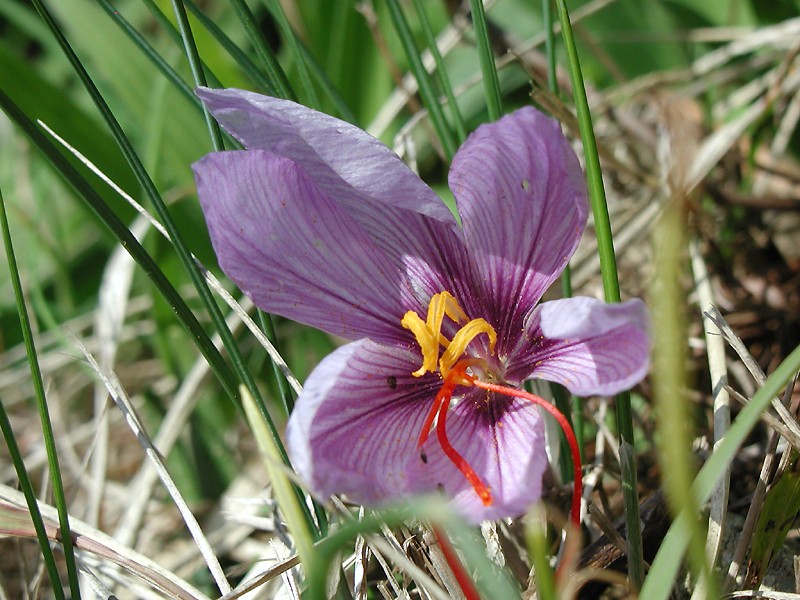
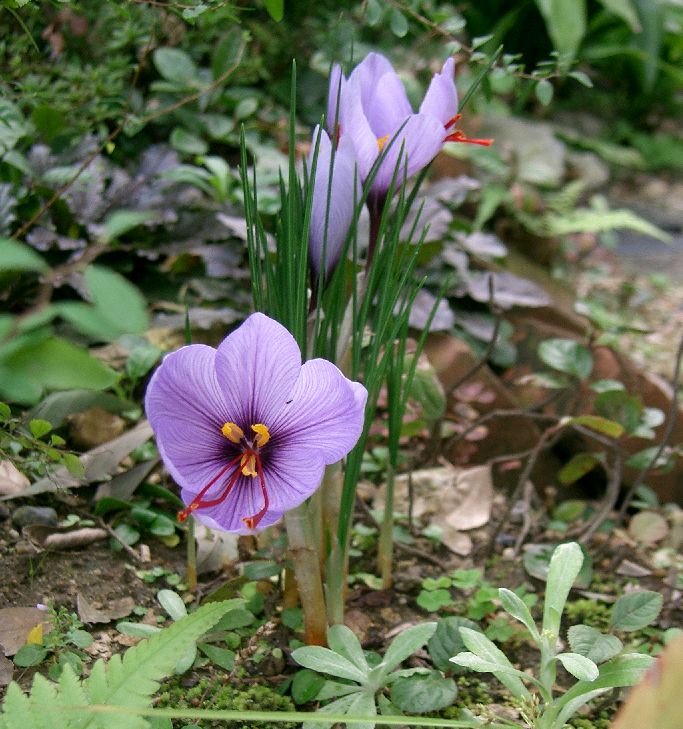
Crocus sativus produces three delicate red-orange stigmas per bloom that must be separated from the petals by hand, a process that makes saffron production extremely labor-intensive. The threads are carefully dried to preserve aroma and color; slight differences in drying, storage and handling influence flavor intensity. The spice is often sold as dried whole threads or as powdered extract.
Chemistry, taste and aroma
The characteristic sensory profile of saffron combines a slightly bitter taste with a complex, hay-like aroma. This bouquet comes mainly from two compounds: picrocrocin and safranal, which create bitter and aromatic notes, while the carotenoid crocin acts as the principal dye that imparts the deep yellow-orange color when saffron is infused in liquid. These compounds are water-soluble, which is why saffron is commonly dissolved in warm water, milk or broth before being added to a dish.
Culinary and medicinal uses
Saffron appears in cuisines around the world, prized for its capacity to color and subtly flavor rice, soups, stews, baked goods and sauces. Typical examples include paella, risotto, bouillabaisse, and various Middle Eastern and South Asian preparations. Common culinary practices include steeping threads to release color and aroma before finishing a dish. Beyond cooking, saffron has a long history of use in traditional remedies and parfumerie; it is referenced in historical medicinal texts and continues to be the subject of modern research into possible mood and antioxidant effects, though clinical conclusions remain cautious (medicine).
History and etymology
The English name derives through multiple languages and centuries. Records point to a 12th-century Old French term safran, itself borrowed from Latin safranum. Related modern names include Italian zafferano and Spanish azafrán. Older linguistic roots reach into Arabic (أَصْفَر) and words for the color "yellow", reflecting saffron’s distinctive hue and its movement across trading routes between Asia, the Middle East and Europe.
Economic importance and notable facts
Saffron’s value derives from the tiny yield per plant and the manual labor required for collection. Quality is judged by color strength, aroma and absence of off-flavors; grading systems and regional designations help buyers assess authenticity. Because it is costly, saffron is occasionally adulterated, so reputable sourcing and simple home tests—such as observing whether threads release color slowly in water—are recommended. The spice continues to hold cultural significance in festivals, religious ceremonies and gourmet cooking worldwide.
Questions and answers
Q: What is saffron?
A: Saffron is a spice made from the stigma of the flower of the saffron plant. It is native to Southwest Asia and has a bitter taste and smells like hay.
Q: How does saffron smell?
A: Saffron has a smell like hay, which is caused by the chemicals picrocrocin and safranal.
Q: What colour does saffron give food?
A: Saffron gives food a rich golden colour due to its dye, crocin.
Q: Where does the word 'saffron' come from?
A: The word 'saffron' comes from the 12th century Old French word safran, which comes from the Latin word safranum. Safranum is also related to the Italian zafferano and Spanish azafrán, which all come from Arabic DIN (أَصْفَر), meaning "yellow".
Q: Is saffron used in cooking or medicine?
A: Both! Saffron is used in cooking as a seasoning and as a food colouring, but it can also be used in medicine.
Q: How long has saffron been considered one of the world's most costly spices?
A: For a very long time - centuries!
Related articles
Author
AlegsaOnline.com Saffron: the spice from Crocus sativus Leandro Alegsa
URL: https://en.alegsaonline.com/art/85223
Sources
- abc.net.au : "Kashmiri saffron producers see red over Iranian imports"
- ebmonline.org : "Cancer chemopreventive and tumoricidal properties of saffron (Crocus sativus L.)"
- ncbi.nlm.nih.gov : PMID 11788779
- ncbi.nlm.nih.gov : PMID 16317646
- abc.net.au : "Tasmania's Saffron Gold"
- unitproj.library.ucla.edu : "Saffron"
- ncbi.nlm.nih.gov : PMID 16028982
- crop.cri.nz : "Growing Saffron—The World's Most Expensive Spice"
- itmonline.org : "Saffron: An Anti-Depressant Herb"
- dpiwe.tas.gov.au : "Emerging and Other Fruit and Floriculture: Saffron"
- ncbi.nlm.nih.gov : PMID 15259204
- ikashmir.org : "Cultural Heritage of India—Kashmiri Pandit Contribution"
- books.google.com : Saffron
- etymonline.com : "Saffron"
- ncbi.nlm.nih.gov : PMID 8590890