
Rotuma: island, people and cultural identity
Rotuma is a small volcanic island dependency of Fiji with Polynesian cultural roots, its own language and customary institutions, and a distinct history of cession to the British and attachment to Fiji.
Overview
Rotuma is a small volcanic island in the South Pacific, politically part of Fiji but situated away from the main Fijian archipelago. The island is widely described as culturally and linguistically Polynesian rather than Melanesian; scholars note strong links with Polynesia traditions and a distinct identity when compared with the predominantly Melanesian peoples of the larger Fijian islands. Rotuma has been administered as part of Fiji since its cession to the British in the late nineteenth century and remained attached to Fiji at independence.
Image gallery
10 Images




Geography and environment
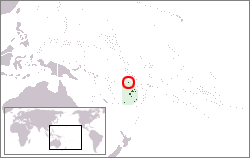
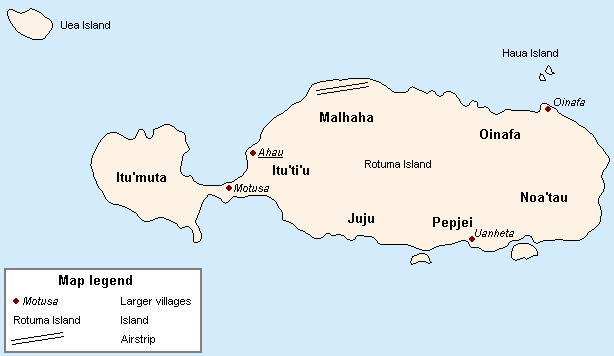
The main island covers roughly 43 km² (17 sq mi) and is encircled by fringing reefs and a few small islets. It lies at an appreciable distance from Fiji’s main islands, commonly given as about 465 km (289 mi) to the north, which contributes to its relative isolation. The interior is formed on volcanic rock with coastal strands of palms and lagoonal reef systems. Marine and terrestrial resources sustain local livelihoods and support customary management practices.
History and administration
Before European contact, local chiefs exercised substantial autonomy through chiefly lines and village institutions. In 1881 Rotuma was ceded to the British and was later administered with Fiji; when Fiji became independent Rotuma remained part of the state but retained special local arrangements. Today customary leadership, local councils and national law operate alongside one another to shape governance and daily life.
People, language and culture
The Rotuman people speak the Rotuman language, classified with Polynesian languages and distinct from Fiji’s major tongues. Social life centers on extended families, village communities and chiefly systems; important cultural expressions include ceremonial feasting and exchange, communal dance and music, and traditional crafts such as weaving. Christianity is widespread on the island, introduced by nineteenth-century missionaries, and traditional practices coexist with contemporary influences and a strong sense of island identity.
Economy and contemporary life
Economic activity is largely subsistence-based: small-scale agriculture, fishing and coconut products are important, supplemented by remittances from Rotumans living elsewhere in Fiji and abroad. Limited transport links and infrastructure have restrained large-scale development but have also helped preserve many customary ways of life. Visitors and researchers are often struck by the resilience of local institutions and the islanders’ emphasis on community obligations.
Access and further reading
- General island overviews and maps are useful starting points: see an island overview.
- Distance and area references: kilometres, miles, square kilometres and square miles.
- For cultural and linguistic context consult resources on Polynesia and Pacific history; comparative material on Melanesian and Polynesian societies can clarify Rotuma's distinctiveness.
Related articles
Author
AlegsaOnline.com Rotuma: island, people and cultural identity Leandro Alegsa
URL: https://en.alegsaonline.com/art/84299
Sources
- rotuma.net : Rotuma Website